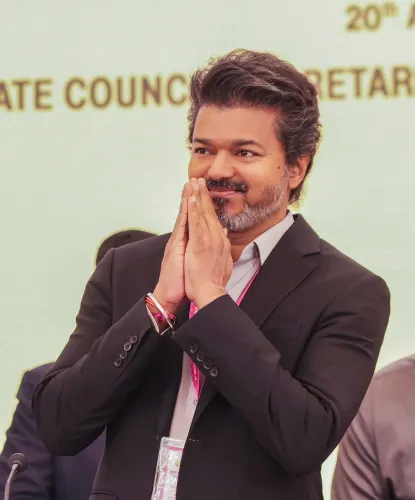
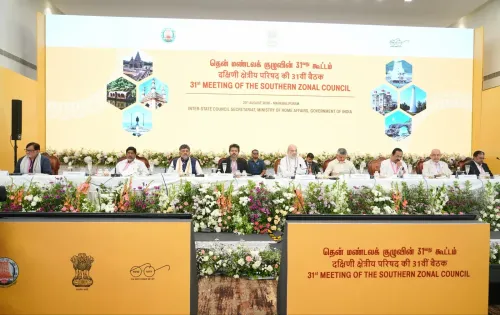
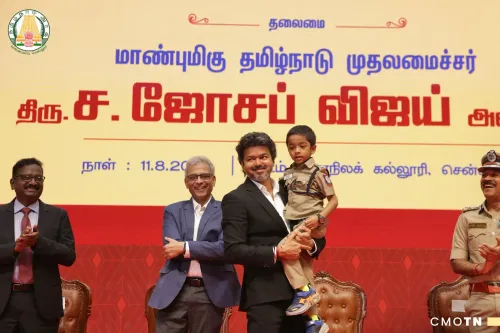
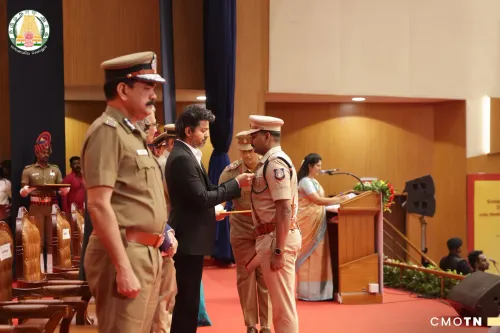
Tamil Nadu CM Vijay at Southern Zonal Council: Drugs, economy, federal rights
Synopsis
At the 31st Southern Zonal Council in Mahabalipuram, Tamil Nadu CM C. Joseph Vijay laid out a sweeping southern agenda: a drug-free enforcement pact, a Blue Economy coalition anchored by Tamil Nadu's 1,076-km coastline, and a direct challenge to the Centre on fiscal devolution, delimitation, and NEET — framing southern states as a 30%-of-GDP bloc that must not be penalised for outperforming national targets.
Key Takeaways
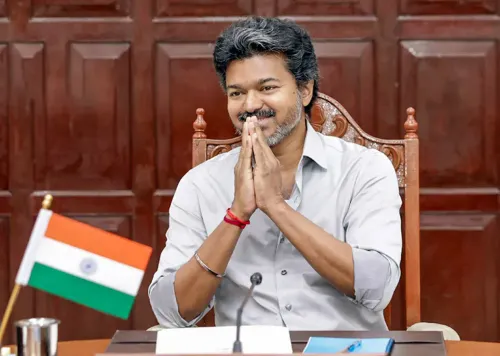
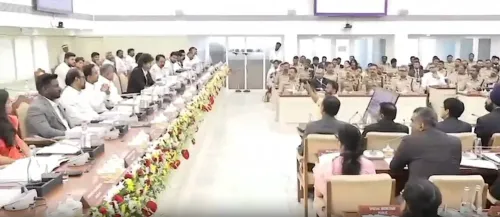
Joseph Vijay addressed the 31st Southern Zonal Council in Mahabalipuram on 20 August .
Southern states contribute more than 30 per cent of India's GDP, he noted, calling for an integrated economic bloc with manufacturing zones and freight corridors.
Vijay demanded a 'Drug-Free South India' initiative with cross-state intelligence-sharing and tighter online pharmacy regulation.
Tamil Nadu's 1,076-km coastline was cited as the foundation for a regional Blue Economy strategy covering ports, fisheries, and maritime tourism.
He sought Finance Commission devolution that does not penalise states for population stabilisation , and a legislative bar on delimitation reducing their parliamentary share.
CM Vijay reiterated opposition to NEET , demanded Cauvery water enforcement, and called for Mullaperiyar storage decisions to follow judicial rulings.
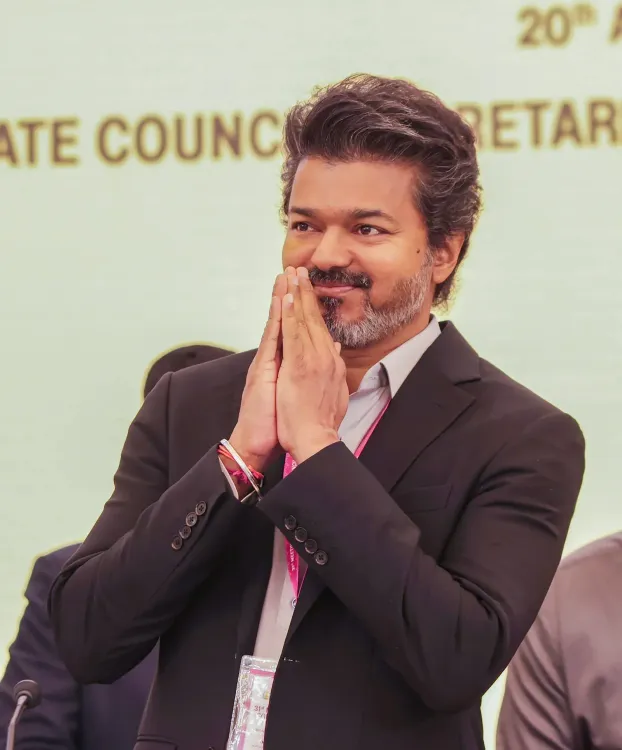
Tamil Nadu Chief Minister C. Joseph Vijay on 20 August used the 31st Southern Zonal Council meeting in Mahabalipuram to press for a unified southern front on drug trafficking, economic integration, Blue Economy development, and stronger federal rights — positioning the region as a distinct and self-aware bloc within the Indian Union.
Key Demands Tabled
CM Vijay highlighted that southern states collectively contribute more than 30 per cent of India's GDP and are home to leading manufacturing, export, and services hubs. He called for the region to operate as an integrated economic bloc, built around manufacturing zones, logistics parks, and freight corridors. He also welcomed the planned extension of the Bengaluru Metro from Bommasandra to Hosur, calling it a template for interstate cooperation, and urged faster execution.
Drug-Free South India Push
Vijay called for a 'Drug-Free South India' initiative, seeking structured intelligence-sharing and coordinated enforcement against interstate trafficking of narcotic and psychotropic substances. He urged tighter oversight of online prescription medicine platforms and action against unauthorised drug distribution networks — a concern that has grown sharply across coastal and border districts in recent years.
Blue Economy and Coastal Strategy
The Chief Minister placed the Blue Economy at the centre of the South's development agenda. Tamil Nadu, with a 1,076-km coastline, is prepared to co-develop a regional strategy covering ports, coastal shipping, fisheries, marine industries, maritime services, and tourism, he said. This comes amid growing Centre-state interest in unlocking India's maritime potential, with the southern coast accounting for a disproportionate share of the country's seafaring trade.
Fiscal Federalism and Delimitation
On fiscal federalism, Vijay argued that the next Finance Commission's devolution formula must reward states that have achieved growth, fiscal discipline, and population stabilisation — and must not penalise them for it. He sought greater flexibility in setting tax rates within the GST framework. He also demanded a legislative guarantee that delimitation would not reduce any state's percentage share of parliamentary seats as a consequence of successful population control. 'Public policy must not penalise states for fulfilling national objectives,' he said.
River Disputes, NEET, and Federal Rights
On interstate river disputes, Vijay asserted that the rights of lower riparian states must be protected through strict implementation of court judgments, tribunal awards, and statutory mechanisms. He specifically sought timely enforcement of Cauvery water-sharing directions and said the safety and storage level of Mullaperiyar dam — including the proposed increase to 152 feet — must be governed by judicial decisions. Reiterating Tamil Nadu's longstanding opposition to NEET, he asked the Centre to allow state-quota admissions to medical, dental, and AYUSH seats based on Class 12 marks, arguing the national entrance test disadvantages rural and underprivileged students. He concluded that strong states make India stronger and pledged Tamil Nadu's cooperation in resolving differences through dialogue, mutual respect, and the rule of law.
Point of View
Blue Economy, fiscal federalism, delimitation, and NEET into a single speech is deliberate — it signals a coordinated political posture ahead of Finance Commission deliberations and the delimitation exercise. The fiscal federalism argument is the sharpest edge: southern states have delivered on growth and population control, yet face the prospect of losing parliamentary weight and revenue share for doing so. Whether the other southern chief ministers translate this into joint lobbying or let it remain Tamil Nadu's solo performance will determine whether this becomes a regional movement or a headline.
NationPress
4 Oct 2026
Frequently Asked Questions
What was discussed at the 31st Southern Zonal Council meeting in Mahabalipuram?
Tamil Nadu CM C. Joseph Vijay used the meeting to call for southern state cooperation on drug trafficking, economic integration through manufacturing zones and freight corridors, Blue Economy development, and stronger fiscal federalism. He also raised NEET opposition, Cauvery water enforcement, and delimitation concerns.
What is the 'Drug-Free South India' initiative proposed by CM Vijay?
It is a proposed framework for structured intelligence-sharing and coordinated law enforcement across southern states to combat interstate trafficking of narcotic and psychotropic substances. Vijay also called for stricter regulation of online prescription medicine sales and action against unauthorised distribution.
Why is Tamil Nadu opposing NEET at the Southern Zonal Council?
CM Vijay argued that NEET disadvantages rural and underprivileged students and sought Centre permission for state-quota admissions to medical, dental, and AYUSH seats based on Class 12 marks. Tamil Nadu has consistently opposed the national entrance test on grounds of social equity.
What are Tamil Nadu's demands on fiscal federalism and delimitation?
Vijay demanded that the next Finance Commission's devolution formula reward states for growth, fiscal discipline, and population stabilisation — not penalise them. He also sought a legislative guarantee that delimitation would not reduce any state's percentage share of parliamentary representation as a result of successful population control.
What is Tamil Nadu's position on the Mullaperiyar and Cauvery disputes?
CM Vijay called for timely enforcement of court directions on Cauvery water sharing and said that decisions on Mullaperiyar dam's safety and storage level — including a proposed increase to 152 feet — must be governed by judicial rulings, not unilateral state action.