CR Paatil brings Gujarat's garba to Chandigarh University
Synopsis
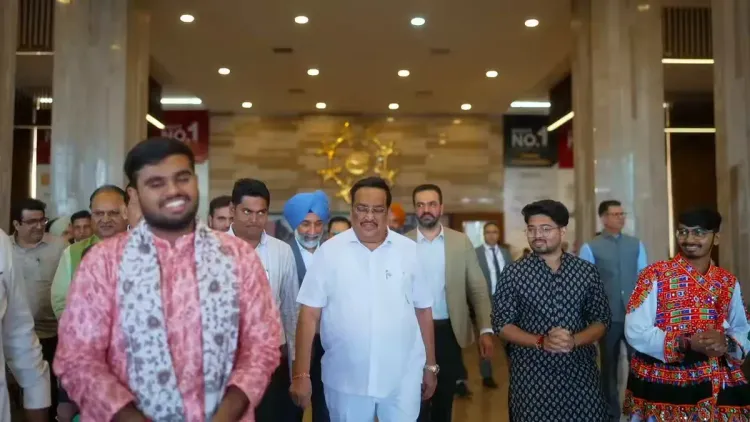
Union Jal Shakti Minister C. R. Paatil visited Chandigarh University in Punjab, engaging with students and witnessing a garba performance. He called the event inspiring and urged youth to stay rooted in Indian culture while driving national progress under the Viksit Bharat vision.
Key Takeaways
Union Jal Shakti Minister C.
Paatil visited Chandigarh University in Punjab on 19 November 2026 .
A garba performance — the traditional Gujarati folk dance — was staged at the event, which Paatil described as deeply joyful.
Paatil urged students to remain connected to their cultural roots and contribute to national development through education and hard work.
The visit aligns with a broader BJP pattern of Gujarati leaders conducting cultural outreach at universities in other states.
The event was linked to the government's Viksit Bharat vision of transforming India into a developed nation by 2047 .
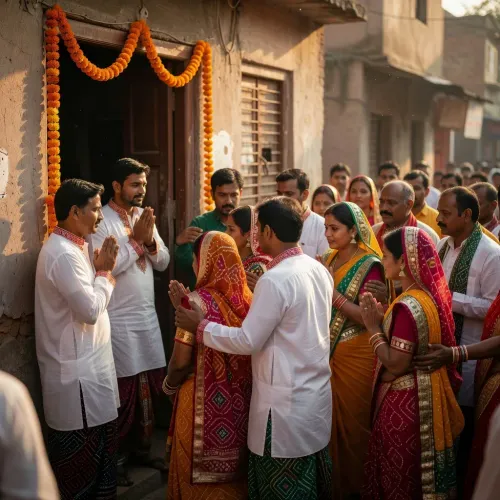
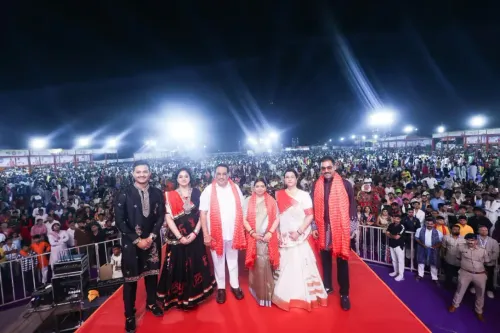
When Gujarat's folk traditions travel to Punjab's classrooms, something shifts. Union Jal Shakti Minister C. R. Paatil visited Chandigarh University and shared an intimate exchange with students, capped by a vibrant garba performance that he described as filling the moment with pure joy.
Posting on 19 November 2026, Paatil captured the visit in Hindi: 'पंजाब की धरती पर गुजरात की संस्कृति के रंग और युवा शक्ति का अद्भुत संगम!' — 'An extraordinary confluence of Gujarat's cultural colours and the power of youth, right here on Punjab's soil!' He called the students' enthusiasm for Indian heritage 'deeply inspiring' and expressed his hope that the younger generation would stay rooted in their cultural identity while contributing to national progress through education, talent, and hard work.
Garba beyond Gujarat's borders
Garba, the traditional Gujarati folk dance most closely associated with the Navratri festival, has steadily grown from a regional practice into a nationally recognised cultural symbol. Its energy — circular, rhythmic, collective — translates powerfully on a university campus, where it doubles as a conversation-starter about identity and heritage. For Paatil, a senior BJP leader and former Gujarat BJP state president, championing the form outside his home state is both personal and political: it signals a cultural confidence that travels.
BJP ministers from Gujarat have periodically taken this approach at universities across states — blending regional tradition with messaging on youth's role in national development. The optics are deliberate: Gujarat's culture as a gift to India, not a Gujarat-only possession.
Youth, roots, and the Viksit Bharat thread
Paatil's closing message wove the visit into the government's larger Viksit Bharat vision — the ambition, articulated in 2023–24, to transform India into a fully developed nation by 2047. The logic is straightforward: students who are proud of their cultural roots, the argument goes, are also more motivated to build the country. Chandigarh University, a private institution in Punjab that regularly hosts large-scale cultural programmes, provided a ready stage for exactly that message.
The students' response, as Paatil framed it, was the real story — enthusiasm, respect for heritage, and a visible desire to contribute. That energy, more than any policy announcement, was what the minister chose to amplify.
When a Gujarati folk dance finds a standing audience in Punjab, the cultural conversation has already moved well beyond state lines — and that, for a government betting on shared civilisational pride as national glue, is precisely the point.
Point of View
The minister converts a cultural moment into a development-agenda touchpoint, targeting the youth demographic that the government sees as central to its 2047 ambitions. The optics also remind audiences that Gujarat's cultural capital is projected as a national, not merely regional, asset — a soft-power move that doubles as political brand-building for Paatil personally.
NationPress
19 Nov 2026
Frequently Asked Questions
Why did CR Paatil visit Chandigarh University?
C. R. Paatil visited Chandigarh University in Punjab to interact with students and participate in a cultural programme that featured a garba performance, using the occasion to promote Indian cultural heritage and the Viksit Bharat vision.
What is garba and why was it performed in Punjab?
Garba is a traditional Gujarati folk dance most associated with the Navratri festival. Its performance at Chandigarh University was part of a cultural outreach by Union Minister CR Paatil to showcase Gujarat's heritage to students outside the state.
What is the Viksit Bharat vision that CR Paatil mentioned?
Viksit Bharat is the Indian government's vision, articulated in 2023–24, to develop India into a fully developed nation by 2047. CR Paatil linked the university visit to this vision, urging youth to contribute to national progress through education and cultural pride.
Does BJP regularly hold cultural events at universities outside Gujarat?
Yes. BJP ministers from Gujarat have periodically participated in cultural outreach at universities in other states, combining promotion of Gujarati traditions with messaging on youth's role in India's national development.