CM Uttarakhand: Modi govt strengthening organ donation framework

Synopsis
The Uttarakhand Chief Minister's Office on 27 June 2026 spotlighted Union government efforts to build a national institutional framework for organ donation and activate state-level transplant bodies, citing wide-ranging health reforms under PM Narendra Modi.
Key Takeaways
The Uttarakhand CMO on 27 June 2026 highlighted health-sector reforms under PM Narendra Modi , focusing on organ donation and transplantation.
The Health Minister stated that a national-level institutional framework for organ donation and transplantation is being developed.
State-level organ donation organisations are being activated in parallel with the national framework.
NOTTO , established in 2014 , serves as the apex coordinating body for organ retrieval and allocation across India.
The Transplantation of Human Organs and Tissues Act, 1994 (amended 2011 ) provides the legislative basis for regulating organ donation in India.
India's deceased organ donation rate remains low relative to demand, making institutional strengthening a critical public health priority.
The Chief Minister's Office of Uttarakhand on Saturday, 27 June 2026 highlighted sweeping reforms in India's health sector under Prime Minister Narendra Modi, with a specific focus on strengthening the country's organ donation and transplantation system through institutional development at both the national and state levels.
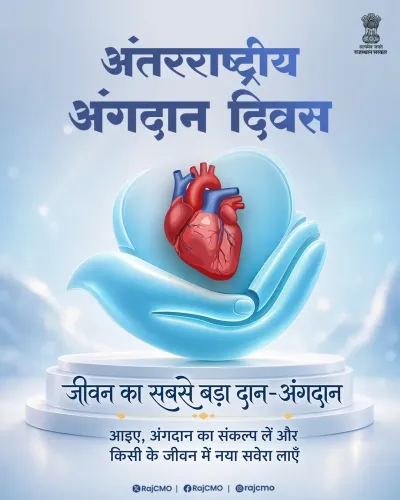
Reiterating the Union government's commitment to health-sector transformation, the post quoted the Health Minister as stating that a national-level institutional framework is being developed to bolster organ donation and transplantation, while state-level organ donation organisations are being activated in parallel. The original post noted: 'अंगदान व प्रत्यारोपण व्यवस्था को मजबूत करने के लिए राष्ट्रीय स्तर पर संस्थागत ढांचे को विकसित कर राज्यों में भी अंगदान से जुड़े संगठनों को सक्रिय किया जा रहा है' ('To strengthen the organ donation and transplantation system, an institutional framework is being developed at the national level, and organisations related to organ donation are also being activated in the states').
Context
India has long grappled with a severe gap between the demand for transplantable organs and the rate of deceased donations. The country's organ donation rate remains among the lowest relative to the scale of need, with thousands of patients on waiting lists for kidneys, livers, and hearts each year. Converting brain-death declarations in hospitals into actual organ retrievals has been a persistent challenge requiring coordinated action across hospital committees, state bodies, and the national registry. The legislative backbone for this effort is the Transplantation of Human Organs and Tissues Act, 1994, amended in 2011, which regulates donation, prohibits commercial dealings in organs, and enables hospital networking for transplantation.Policy Backdrop
The National Organ and Tissue Transplant Organisation (NOTTO), established in 2014, serves as the apex body for coordinating organ retrieval, allocation, and transplantation across India. It maintains a national registry and oversees regional networks intended to streamline the process from donor identification to recipient surgery. The National Health Policy 2017 formally identified organ donation as a priority area, calling for stronger institutional frameworks and sustained public awareness campaigns. Under the broader health reforms associated with the Modi government, the approach has been to build regulatory and logistical infrastructure simultaneously at the central and sub-national levels — a pattern also visible in initiatives such as Ayushman Bharat, which sought to extend tertiary care access to underserved populations.Stakeholders and Impact
The primary beneficiaries of a more robust organ donation framework are the tens of thousands of Indian patients in end-stage organ failure who depend on transplantation for survival. State health departments, including that of Uttarakhand, are expected to play a frontline role in activating local transplant committees and donor registries. Accredited transplant hospitals are also key stakeholders, as hospital-level coordination is critical to converting brain-death cases into successful donations. Uttarakhand, as a Himalayan state with developing tertiary health infrastructure, stands to benefit from clearer national guidelines and logistical support as it aligns with central directives to operationalise state organ donation bodies.What's Next
Attention will now turn to the operationalisation of state-level organ donation and transplant organisations across India, including in Uttarakhand. Any revised national targets for deceased donation rates, updated hospital accreditation norms for transplant centres, or new public awareness mandates from the Union Health Ministry will be closely watched by medical professionals and patient advocacy groups. The trajectory suggests a continued push toward centralised coordination paired with decentralised execution — with states expected to report progress against national benchmarks.Frequently Asked Questions
What did the Uttarakhand CMO say about organ donation reforms?
The Uttarakhand CMO shared a statement on 27 June 2026 quoting the Health Minister, who said a national institutional framework for organ donation and transplantation is being developed, while state-level organ donation organisations are being activated across India.
What is NOTTO and what role does it play in organ donation in India?
NOTTO, the National Organ and Tissue Transplant Organisation, was established in 2014 as India's apex body for coordinating organ retrieval, allocation, and transplantation. It maintains a national registry and oversees regional networks to connect donors and recipients.
What is India's organ donation rate and why is it low?
India's deceased organ donation rate is among the lowest relative to the scale of need. Key challenges include low rates of brain-death declaration being converted into actual donations, limited hospital-level transplant committees, and inadequate public awareness.
What law governs organ donation in India?
The Transplantation of Human Organs and Tissues Act, 1994, amended in 2011, is the primary legislation governing organ donation in India. It regulates the process, prohibits commercial dealings in organs, and enables hospital networking for transplantation.
How is Uttarakhand involved in the national organ donation framework?
Uttarakhand, as a state, is expected to activate its own organ donation organisations in line with central directives. The Uttarakhand CMO's post reflects the state government's alignment with the Union government's push to strengthen transplantation infrastructure at both national and state levels.