India hits record 20,000 organ transplants in 2025, ranks 3rd globally
Synopsis
India crossed 20,000 organ transplants in a single year for the first time in 2025 — a fourfold jump from 4,990 in 2013 — vaulting the country to third place globally. But with deceased donor rates still far below international benchmarks, the real test is whether new guidelines and the 'Jug Jug Jiyo Abhiyaan' can shift public attitudes fast enough to close the demand gap.
Key Takeaways
India recorded over 20,000 organ transplants in 2025 — the highest ever in a single year, up from 4,990 in 2013 .
India now ranks third globally in total transplant volume, after the US and China .
Deceased donor transplants rose from 837 in 2013 to over 3,500 in 2025 .
The government launched National Brain Stem Death Certification Guidelines and National Guidelines on Swap Transplantation to standardise practices.
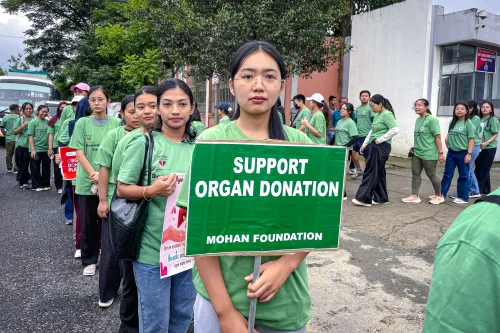
The 'Jug Jug Jiyo Abhiyaan' — a year-long nationwide awareness campaign — was unveiled on Indian Organ Donation Day, 3 August .
Kidney transplantation is now covered under AB PM-JAY ; support also available via Rashtriya Arogya Nidhi for economically weaker patients.
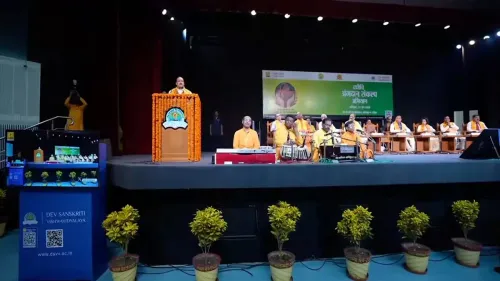
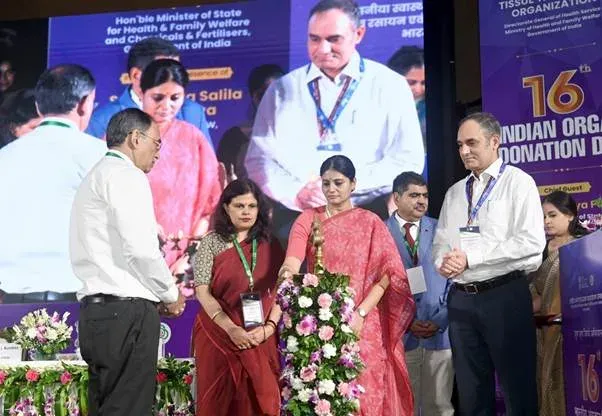
India recorded over 20,000 organ transplants in 2025 — the highest ever in a single year — as Union Minister of State for Health and Family Welfare Anupriya Patel announced on Monday, 3 August at an event marking the 16th Indian Organ Donation Day (IODD). The milestone places India third globally in total transplant volume, behind only the United States and China.
A Decade of Growth
The numbers tell a striking story of scale. Organ transplants in India have risen from 4,990 in 2013 to over 20,000 in 2025 — a nearly fourfold increase over twelve years. Deceased donor transplants, a more complex and sensitive category, climbed from 837 in 2013 to more than 3,500 in 2025, reflecting growing public awareness and improved hospital protocols.
The event was organised by the National Organ and Tissue Transplant Organisation (NOTTO), the apex body coordinating transplant activity across the country. Despite the record numbers, Minister Patel acknowledged that a substantial gap between organ demand and availability persists and remains a national priority.
New Guidelines and Nationwide Campaign
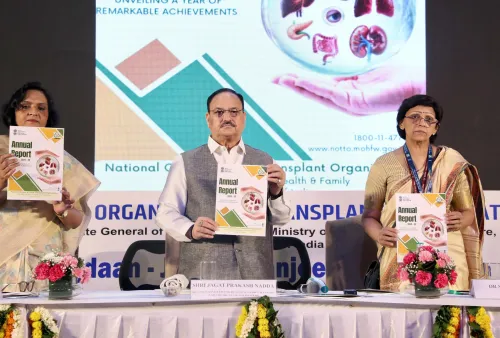
Two significant policy instruments were launched at the event: the National Brain Stem Death Certification Guidelines and the National Guidelines on Swap Transplantation. Both aim to standardise clinical practices and strengthen policy implementation across states, addressing long-standing inconsistencies in how deceased donation cases are handled.
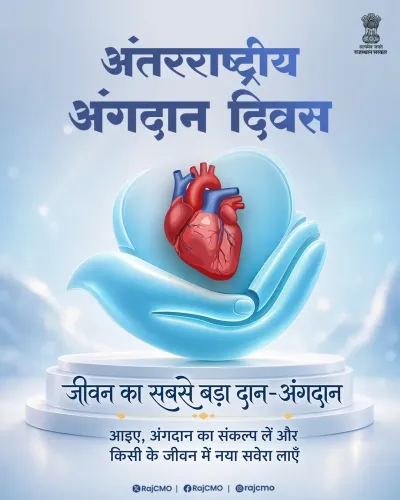
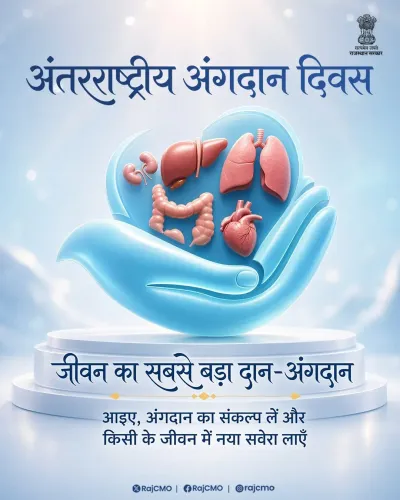
Alongside these, the government unveiled the 'Jug Jug Jiyo Abhiyaan' — a year-long nationwide awareness campaign designed to carry the organ donation message to every community. The initiative frames organ donation as 'the greatest gift of life,' allowing a donor's legacy to live on through recipients.
Combating Misconceptions
Minister Patel stressed that misconceptions surrounding organ donation remain a major barrier to growth. She emphasised that no major religion prohibits organ donation; rather, all faiths uphold values of compassion, service, and saving lives. This religious framing is a deliberate outreach strategy, targeting communities where cultural hesitation has historically suppressed consent rates.
Notably, deceased donor rates in India — though growing — remain far below those in Spain or the US on a per-million-population basis, underscoring how much headroom exists even as India celebrates its record numbers.
Government Support and Infrastructure
Under the National Organ Transplant Programme (NOTP), the Centre is providing financial assistance to states for infrastructure strengthening, donor maintenance, organ retrieval, and transportation. The institutional network now comprises NOTTO, five Regional Organ and Tissue Transplant Organisations (ROTTOs), 26 State Organ and Tissue Transplant Organisations (SOTTOs), and approximately 1,200 registered hospitals.
On the financial access front, kidney transplantation has been included in the Health Benefit Package under Ayushman Bharat Pradhan Mantri Jan Arogya Yojana (AB PM-JAY), and economically weaker patients can also access support through the Rashtriya Arogya Nidhi.
What Comes Next
With new guidelines, a fresh awareness campaign, and expanded insurance coverage, the government appears to be targeting both the supply side — more deceased donors — and the demand side — making transplants financially accessible. Whether these measures translate into another record-breaking year will depend heavily on how effectively states implement the new frameworks and whether public attitudes toward deceased donation continue to shift.
Point of View
But the celebration risks obscuring a harder truth: deceased donor rates remain far below those of Spain, the US, or even Brazil on a per-million-population basis. The real bottleneck is not infrastructure or policy — it is family consent at the moment of brain stem death. Until hospitals are trained and incentivised to approach grieving families sensitively, and until the legal and cultural barriers to deceased donation are addressed head-on, India's transplant numbers will continue to be driven overwhelmingly by living donors, which raises its own ethical questions about donor coercion and equity. The new guidelines are a step forward, but guidelines without enforcement mechanisms have a poor track record in Indian healthcare.
NationPress
18 Sept 2026
Frequently Asked Questions
How many organ transplants did India perform in 2025?
India performed over 20,000 organ transplants in 2025, the highest ever recorded in a single year. This is nearly four times the 4,990 transplants carried out in 2013.
Where does India rank globally in organ transplants?
India ranks third globally in total organ transplant volume, behind the United States and China, according to figures shared by Minister of State for Health Anupriya Patel on 3 August 2025.
What is the 'Jug Jug Jiyo Abhiyaan'?
It is a year-long nationwide organ donation awareness campaign launched by the government on Indian Organ Donation Day. The campaign aims to take the message of organ donation to every community across India and counter misconceptions that discourage consent.
What new guidelines were announced on Indian Organ Donation Day?
The government released the National Brain Stem Death Certification Guidelines and the National Guidelines on Swap Transplantation. Both are intended to standardise clinical practices and strengthen policy implementation across states.
How is the government making organ transplants financially accessible?
Kidney transplantation has been included in the Health Benefit Package under Ayushman Bharat Pradhan Mantri Jan Arogya Yojana (AB PM-JAY). Economically weaker patients can also receive financial assistance through the Rashtriya Arogya Nidhi scheme.