CM Hemant Soren calls organ donation a symbol of humanity
Synopsis
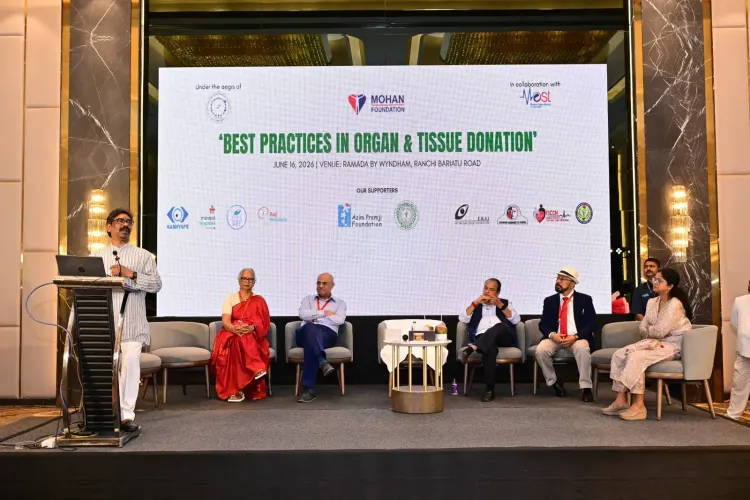
The Jharkhand Chief Minister's Office quoted CM Hemant Soren on June 16, 2026, calling organ donation a symbol of humanity and social responsibility, and urging hospitals to engage sensitively with bereaved families to promote cadaver organ donation across the state.
Key Takeaways
CM Hemant Soren described organ donation as a symbol of 'humanity, sensitivity, compassion, and social responsibility' in a statement on June 16, 2026 .
The Jharkhand state government signalled it is working seriously toward building a healthy society through public health messaging.
Soren called for sensitive communication with the families of deceased patients in hospitals as a prerequisite for improving organ donation rates.
India's organ donation framework is governed by the Transplantation of Human Organs Act, 1994 , amended in 2011 , and coordinated nationally by NOTTO since 2014 .
The statement aligns with a broader national pattern of state governments promoting cadaver organ donation to bridge the gap between donor availability and transplant demand.
Potential follow-up actions include state-level hospital counselling guidelines and participation in NOTTO -coordinated national drives.
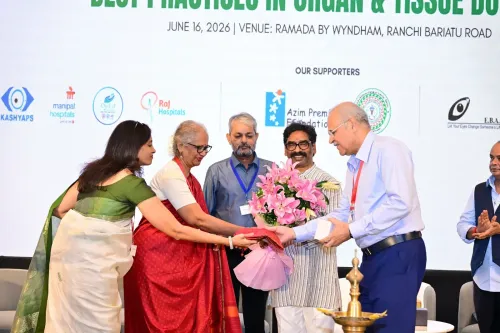
The Chief Minister's Office of Jharkhand, quoting Chief Minister Hemant Soren, on Tuesday, June 16, 2026, underscored the state government's commitment to building a healthy society and called for compassionate communication with bereaved families in hospitals regarding organ donation.
Context
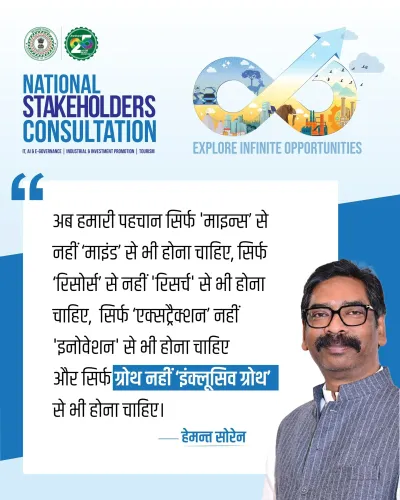
Speaking on the subject of organ donation, CM Hemant Soren stated, 'Angdaan manavta, samvedanshilta, karuna aur samajik uttardayitva ka pratik hai' — 'Organ donation is a symbol of humanity, sensitivity, compassion, and social responsibility.' He also stressed that hospital staff must engage sensitively with the families of deceased patients, recognising the emotional weight of such conversations. The remarks signal a policy intent to institutionalise ethical counselling practices within Jharkhand's public health system.
Policy Backdrop
India's organ donation framework rests on the Transplantation of Human Organs Act, 1994, amended in 2011, which regulates organ retrieval and prohibits commercial trade. The National Organ and Tissue Transplant Organisation (NOTTO), established in 2014 under the Union Ministry of Health, coordinates the national registry and awareness drives. The National Health Policy 2017 further embedded community-level health promotion — including cadaver organ donation — into India's public health agenda. State governments play a critical role in translating these central frameworks into on-ground hospital protocols and public outreach.
Across India, the gap between patients awaiting organ transplants and the number of available donors remains wide. Periodic state-level advisories and public messaging campaigns have been a consistent tool to raise pledge rates and sensitise both medical staff and the general public. CM Soren's statement fits squarely within this broader national pattern, with an added emphasis on the human dimension of family counselling at the hospital level.
Stakeholders and Impact
The groups most directly affected by this policy direction include bereaved families in hospitals, hospital staff — particularly doctors, nurses, and counsellors — and patients awaiting organ transplants across Jharkhand. Sensitive, well-trained counselling at the moment of a patient's death can significantly improve consent rates for organ donation, converting grief into a life-saving act for others. For hospital administration, this implies a need for structured training programmes to equip staff with the communication skills required for such delicate interactions.
For the broader public, the Chief Minister's framing of organ donation as an expression of humanity and social responsibility seeks to shift cultural perceptions, addressing hesitation rooted in religious, social, or emotional concerns that often prevent families from consenting to donation.
What's Next
The statement is likely to be followed by state-level circulars or guidelines directing Jharkhand hospitals to adopt formal family-counselling protocols in cases of brain death or cardiac death. The state may also align with NOTTO-coordinated national organ-donation drives and awareness campaigns to increase pledge registrations among citizens. As CM Soren has publicly linked organ donation to social responsibility, advocacy groups and civil society organisations in the state are expected to amplify the message through community outreach. The coming months will reveal whether this statement translates into measurable policy action — such as dedicated counsellors in district hospitals or a Jharkhand-specific organ donation registry.
Point of View
Moving it beyond periodic awareness campaigns into the domain of institutional hospital practice. By specifically highlighting sensitive family counselling, Soren is pointing to a gap that health administrators across India acknowledge but rarely address through formal policy — the human interface at the moment of death. The statement also serves a political purpose: positioning the JMM-led government as a progressive, compassionate administration invested in public welfare beyond electoral cycles. Whether the rhetoric translates into enforceable hospital protocols and budgetary allocations will be the real test of this commitment.
NationPress
19 Sept 2026
Frequently Asked Questions
What did CM Hemant Soren say about organ donation?
CM Hemant Soren stated that organ donation is a symbol of humanity, sensitivity, compassion, and social responsibility, and called on hospitals to communicate sensitively with the families of deceased patients to encourage consent for donation.
What is the government of Jharkhand doing to promote organ donation?
The Jharkhand state government, as indicated by CM Soren's statement on June 16, 2026, is working toward building a healthy society and may introduce hospital-level counselling guidelines to improve organ donation rates.
What is NOTTO and how does it relate to organ donation in India?
NOTTO, the National Organ and Tissue Transplant Organisation, was established in 2014 under India's Ministry of Health to coordinate the national organ donation registry and run awareness programmes across states, including Jharkhand.
What law governs organ donation in India?
The Transplantation of Human Organs Act, 1994, amended in 2011, provides the legal framework for organ retrieval and transplantation in India and prohibits any commercial trade in human organs.
Why is family counselling important for organ donation in hospitals?
Sensitive counselling of bereaved families at the time of a patient's death is critical because families' informed and compassionate consent is required for cadaver organ donation; poor communication is a leading reason consent is withheld even when the deceased may have wished to donate.