CM Dhami joins organ donation seminar in Haridwar with JP Nadda
Synopsis
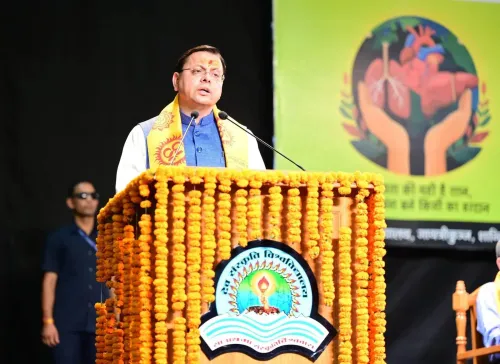
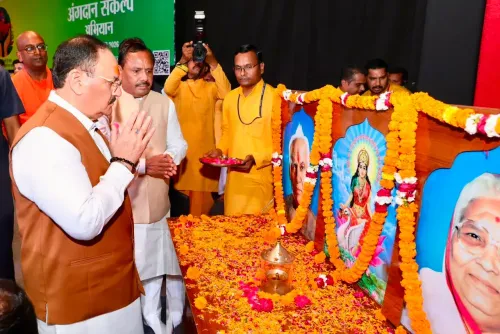
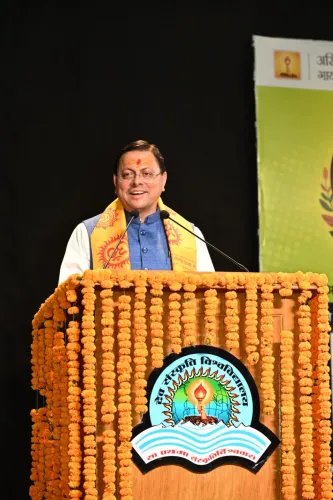
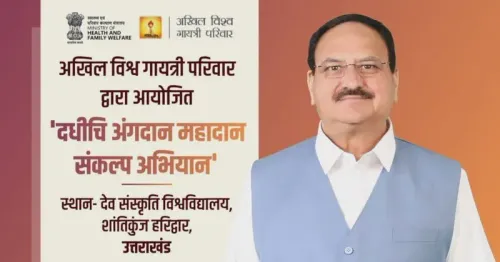
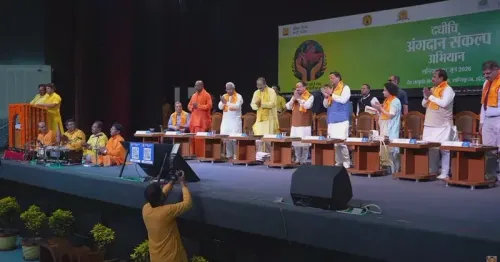
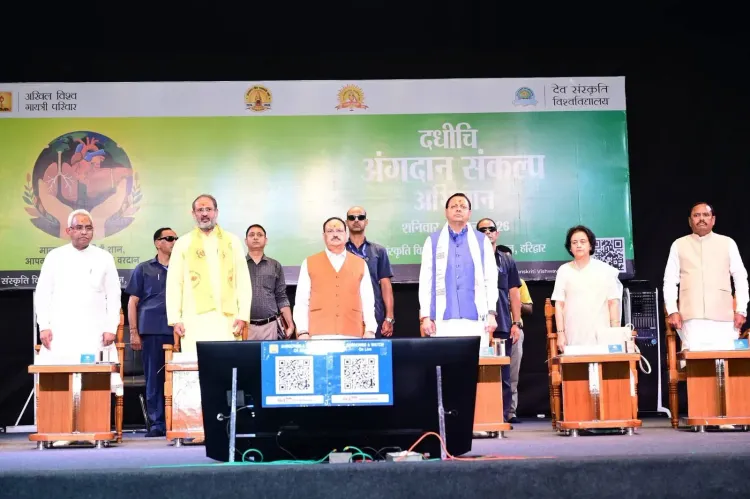
Uttarakhand CM Pushkar Singh Dhami joined Union Health Minister JP Nadda at a national organ donation seminar under the Dadhichi Angdaan Sankalp Abhiyan at Dev Sanskriti Vishwavidyalaya, Shantikunj, Haridwar on 27 June 2026, reinforcing government focus on bridging India's donor-patient gap.
Key Takeaways
Uttarakhand CM Pushkar Singh Dhami participated in a national organ donation seminar at Dev Sanskriti Vishwavidyalaya, Shantikunj, Haridwar on 27 June 2026 .
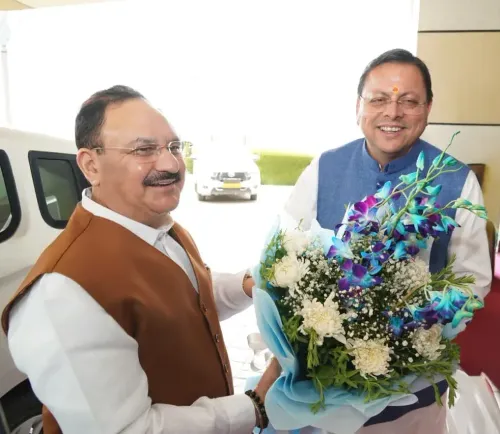
Union Minister of Health and Family Welfare JP Nadda was present, giving the event central government endorsement.
The seminar was held under the Dadhichi Angdaan Sankalp Abhiyan , a voluntary organ donation pledge campaign.
India's organ donation ecosystem is governed by the Transplantation of Human Organs and Tissues Act, 1994 and coordinated by NOTTO , established in 2014.
The campaign leverages cultural and spiritual institutions to reach communities with reservations about organ donation.
Increased pledge registrations on NOTTO-linked portals in Uttarakhand will be a key metric to watch following the seminar.
Uttarakhand Chief Minister Pushkar Singh Dhami participated in a national seminar on organ donation held at Dev Sanskriti Vishwavidyalaya, Shantikunj, in Haridwar on 27 June 2026, under the Dadhichi Angdaan Sankalp Abhiyan. The event was graced by Union Minister of Health and Family Welfare Jagat Prakash Nadda, whose presence lent central government weight to the awareness drive.
Context
Chief Minister Dhami shared his participation on X, writing in Hindi: 'Dadhichi Angdaan Sankalp Abhiyan ke antargat aayojit rashtriya sangoshti mein sahbhagita ki' — meaning he attended the national seminar organised under the organ donation pledge campaign. He noted the 'dignified presence' (garimamay upasthiti) of JP Nadda, underscoring the seminar's significance at the national level. The gathering brought together officials, academics and social workers at one of Uttarakhand's most prominent spiritual-educational institutions.
Policy Backdrop
India's organ donation framework is governed by the Transplantation of Human Organs and Tissues Act, 1994, which established the legal basis for voluntary donation and transplantation. The National Organ and Tissue Transplant Organisation (NOTTO), set up in 2014, coordinates organ allocation and donor registration across states. Despite this infrastructure, India faces a persistent and severe mismatch between the number of patients awaiting transplants and the pool of registered donors — a gap that public awareness campaigns directly aim to address.
Dev Sanskriti Vishwavidyalaya at Shantikunj is known for integrating cultural and spiritual values with social service mandates, making it a natural venue for a campaign that appeals to ethical and moral motivations for donation. Central and state governments have increasingly partnered with universities and spiritual organisations to carry health messaging beyond conventional channels.
Stakeholders and Impact
The seminar's primary beneficiaries are the thousands of patients across India on transplant waiting lists, for whom every new registered donor represents a potential lifeline. Voluntary pledge campaigns such as this one serve to normalise organ donation within communities that may hold cultural or religious reservations. The involvement of JP Nadda, who oversees national health policy, signals that organ donation awareness remains a priority for the Union government's public health agenda.
For Uttarakhand, participation by the Chief Minister in a nationally attended seminar also positions the state as an active contributor to India's organ donation ecosystem, potentially encouraging state-level administrative follow-through on pledge registrations linked to NOTTO portals.
What's Next
The momentum from high-profile seminars of this kind is typically measured by the volume of new organ donation pledges registered on NOTTO-linked platforms in the weeks that follow. Observers will watch whether Uttarakhand announces a state-level expansion of similar awareness drives or sets specific targets for donor registrations. The convergence of central and state leadership at a spiritual-academic institution in Haridwar may also inspire other states to replicate the model of embedding organ donation messaging within culturally resonant settings.
Point of View
The event also serves as a visible alignment with a Union government health priority — reinforcing BJP's cooperative federalism optics on social welfare. The choice of Shantikunj, a site with pan-India spiritual reach, suggests that health communicators recognise the limits of purely clinical messaging in driving voluntary pledge behaviour. The real test will come in whether this seminar translates into measurable upticks in donor registrations, or remains a symbolic gesture in a campaign ecosystem that has long struggled to convert awareness into action.
NationPress
26 Sept 2026
Frequently Asked Questions
What is the Dadhichi Angdaan Sankalp Abhiyan?
The Dadhichi Angdaan Sankalp Abhiyan is an organ donation pledge campaign that encourages individuals to voluntarily register as organ donors, often conducted through seminars at universities and cultural institutions across India.
Why was the organ donation seminar held at Dev Sanskriti Vishwavidyalaya in Haridwar?
Dev Sanskriti Vishwavidyalaya at Shantikunj, Haridwar, is known for integrating spiritual and cultural values with social service, making it an effective venue for health awareness campaigns that seek to connect with communities through ethical and moral messaging.
What is NOTTO and what role does it play in organ donation in India?
NOTTO, the National Organ and Tissue Transplant Organisation, was established in 2014 to coordinate organ donation, allocation, and transplantation across India. It maintains donor registries and links state transplant networks to ensure equitable organ distribution.
Who attended the national organ donation seminar in Haridwar on 27 June 2026?
Uttarakhand Chief Minister Pushkar Singh Dhami and Union Minister of Health and Family Welfare JP Nadda attended the national seminar on organ donation at Dev Sanskriti Vishwavidyalaya, Shantikunj, Haridwar.
What is the legal framework for organ donation in India?
Organ donation in India is governed by the Transplantation of Human Organs and Tissues Act, 1994, which provides the legal basis for voluntary donation, regulated transplantation, and the functioning of institutions involved in the process.