Nadda Addresses Organ Donation Pledge Drive in Haridwar
Synopsis
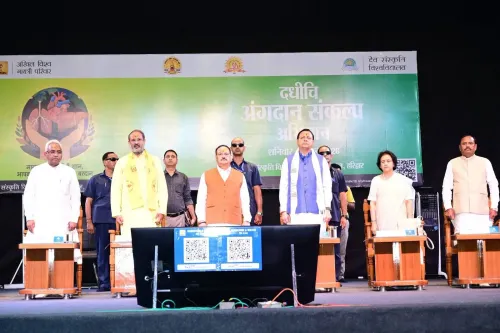
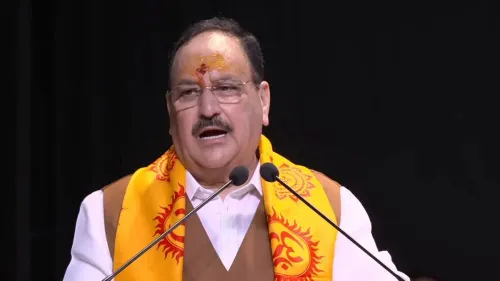
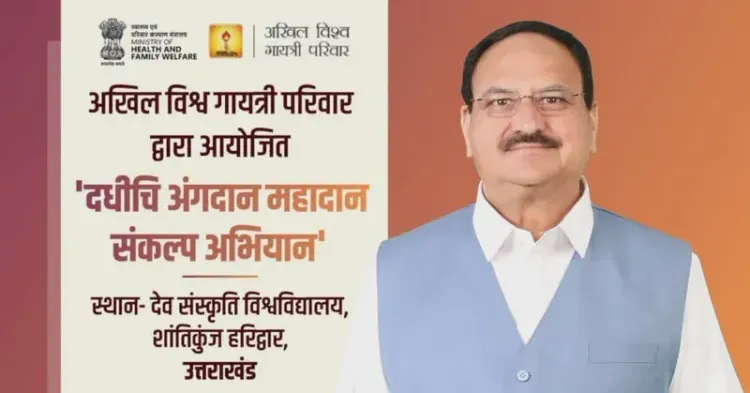
Union Health Minister J. P. Nadda addressed the Dadhichi Angdaan Sankalp Abhiyan organ donation pledge campaign organised by Akhil Vishwa Gayatri Parivar in Haridwar, Uttarakhand on 27 June 2026, spotlighting India's critical shortage of deceased organ donors and the role of faith-based civil society in bridging the gap.
Key Takeaways
Nadda , Union Health Minister, addressed the Dadhichi Angdaan Sankalp Abhiyan in Haridwar, Uttarakhand on 27 June 2026 .
The campaign is organised by the Akhil Vishwa Gayatri Parivar , a faith-based social organisation founded by Pt.
Shriram Sharma Acharya .
India's deceased organ donation rate is under 1 donor per million population , one of the lowest among major economies.
The National Organ and Tissue Transplant Organisation (NOTTO) , set up in 2014 , is the nodal body for coordinating organ retrieval and donor registration.
The campaign name invokes the Vedic sage Dadhichi , revered for sacrificing his body for the welfare of others, to frame donation as a spiritual act.
Ministerial participation signals continued government reliance on civil-society partnerships to raise donor pledge numbers alongside regulatory measures.
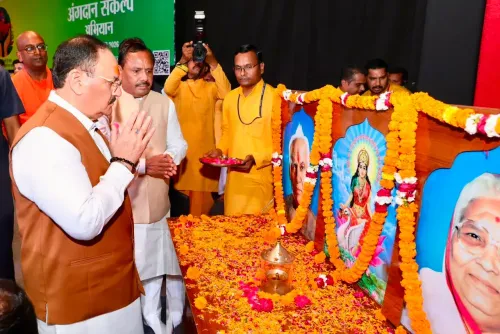
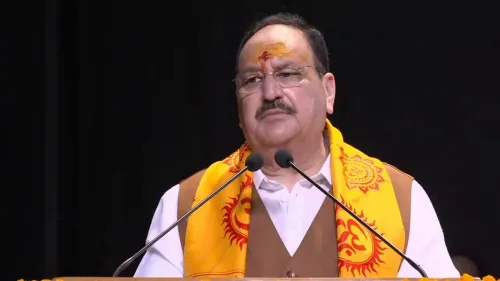
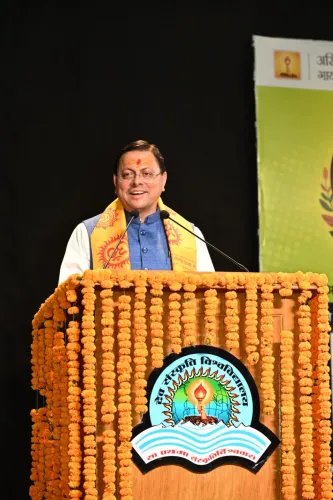
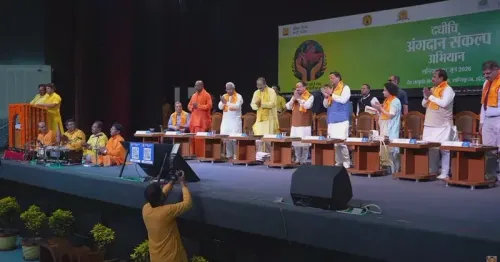
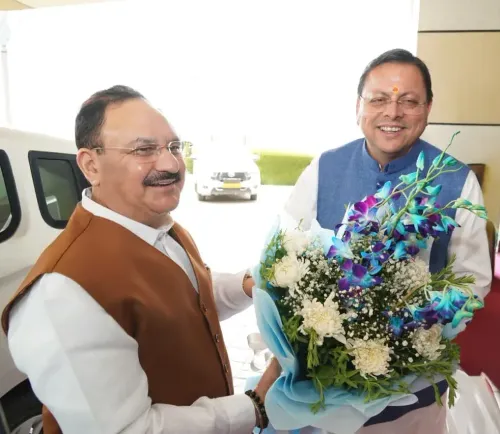
Union Health Minister J. P. Nadda addressed the Dadhichi Angdaan Sankalp Abhiyan, an organ donation pledge campaign organised by the Akhil Vishwa Gayatri Parivar in Haridwar, Uttarakhand, on Saturday, 27 June 2026. The minister's participation lends significant political and policy weight to a civil-society-led drive aimed at encouraging voluntary organ and tissue donation across the country.
Context
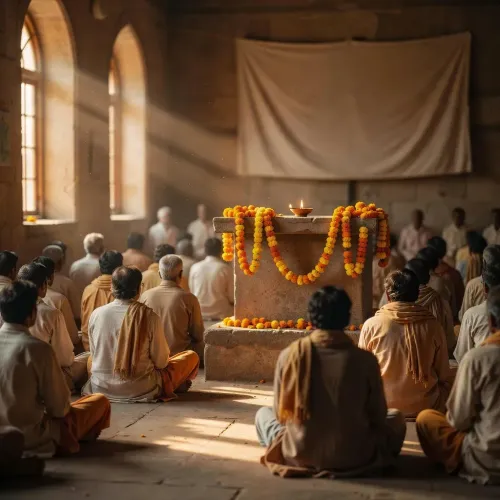
The Dadhichi Angdaan Sankalp Abhiyan — Dadhichi Angdaan Sankalp Abhiyan (Dadhichi Organ Donation Pledge Campaign) — draws its name from the Vedic sage Dadhichi, who is venerated in Hindu tradition for donating his own bones for the welfare of others. The campaign, run by the Akhil Vishwa Gayatri Parivar, channels that spiritual symbolism into a modern public-health goal: persuading citizens to pledge their organs for post-mortem donation. The organisation, founded by Pt. Shriram Sharma Acharya, has long been active in health, environment and social-awareness work across India.
Haridwar, one of India's most prominent pilgrimage cities, provides a symbolically resonant venue — a gathering point for lakhs of devotees who may be receptive to a message framed in the language of selfless service and spiritual duty.
Policy Backdrop
India's deceased organ donation rate remains critically low — under 1 donor per million population — even as thousands of patients wait for kidneys, livers and hearts. The gap between supply and demand has persisted for years despite the legal framework provided by the Transplantation of Human Organs and Tissues Act.
The National Organ and Tissue Transplant Organisation (NOTTO), established in 2014, coordinates retrieval, distribution and transplantation of organs across states and serves as the nodal registry for donor pledges. Successive governments have recognised that regulatory frameworks alone are insufficient and have actively partnered with civil society and faith-based groups to normalise the idea of donation among the general public. Nadda's presence at the Haridwar event fits squarely within that established approach.
Stakeholders and Impact
The primary beneficiaries of a successful pledge drive are the tens of thousands of patients on transplant waiting lists across India. For potential donors, campaigns such as this one serve as a low-barrier first step — a pledge card or digital registration — that can later translate into a formal donor card linked to NOTTO.
Faith-based organisations occupy a unique position in this ecosystem: they can reach communities that government health campaigns sometimes struggle to penetrate, particularly in semi-urban and rural areas. The Akhil Vishwa Gayatri Parivar's network spans thousands of shaktipeethas (branch centres) nationwide, giving the campaign a potential multiplier effect well beyond the Haridwar event itself.
What's Next
Attention will now turn to whether fresh pledges generated by the campaign are formally registered with NOTTO and reflected in state-level donor databases. Any uptick in registrations would offer a measurable indicator of the event's reach.
At the parliamentary level, proposed amendments to ease hospital-level donation protocols remain a longer-term legislative watch point. Nadda's visible engagement with grassroots pledge campaigns may also signal a broader ministry push to integrate civil-society partnerships more formally into India's organ donation strategy in the months ahead.
Point of View
And the ministry's visible alignment with the Gayatri Parivar's campaign is an acknowledgement that trust, not just law, determines donor behaviour. The move also serves a political purpose for the BJP national president — associating the party's governance record with grassroots, values-driven health outreach ahead of what remains a competitive electoral calendar. Whether this translates into measurable NOTTO registrations will be the real test of whether high-profile ministerial presence converts symbolic momentum into clinical outcomes.
NationPress
26 Sept 2026
Frequently Asked Questions
What is the Dadhichi Angdaan Sankalp Abhiyan?
The Dadhichi Angdaan Sankalp Abhiyan is an organ donation pledge campaign organised by the Akhil Vishwa Gayatri Parivar, named after the Vedic sage Dadhichi who is venerated for donating his own body for the greater good. It encourages citizens to voluntarily pledge their organs for donation after death.
Why is organ donation awareness important in India?
India's deceased organ donation rate is under 1 donor per million population, far below global averages, leaving thousands of patients waiting for life-saving kidney, liver and heart transplants. Awareness campaigns aim to normalise donation and increase the pool of registered donors.
What is NOTTO and how does it work?
NOTTO, the National Organ and Tissue Transplant Organisation, was established in 2014 as the nodal body to coordinate the retrieval, distribution and transplantation of organs across Indian states. It also maintains the national registry of organ donor pledges.
Who is Akhil Vishwa Gayatri Parivar?
Akhil Vishwa Gayatri Parivar is a spiritual and social organisation founded by Pt. Shriram Sharma Acharya. It runs awareness campaigns on health, environment and social issues through a wide network of branch centres across India and abroad.
What did J. P. Nadda do at the Haridwar event on 27 June 2026?
Union Health Minister J. P. Nadda addressed the Dadhichi Angdaan Sankalp Abhiyan event organised by Akhil Vishwa Gayatri Parivar in Haridwar, Uttarakhand, lending ministerial support to the organ donation pledge drive.