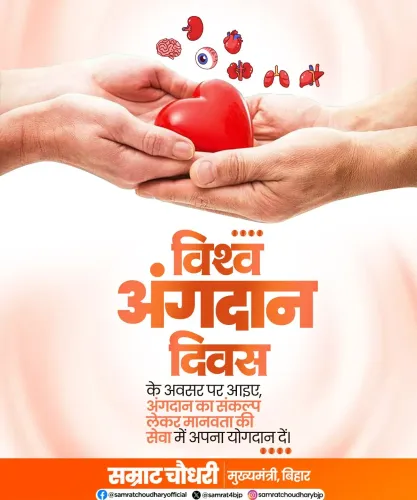
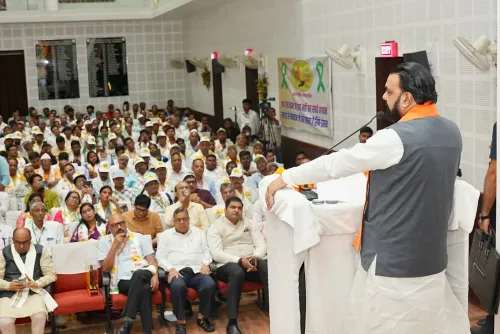
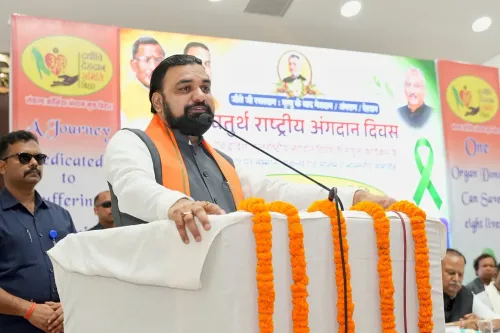
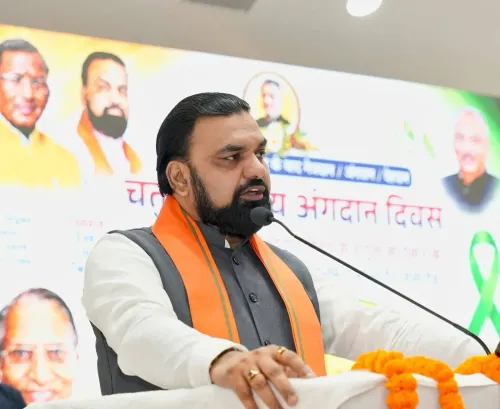
Bihar CM launches organ donation day ceremony in Patna
Synopsis
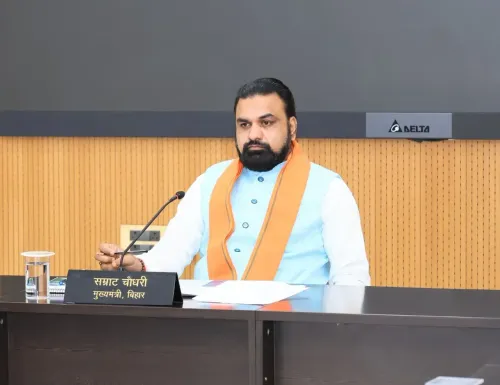
Bihar Chief Minister Samrat Choudhary on 9 August 2026 launched the 'Samman, Sankalp' seventh state-level organ donation ceremony, coinciding with the Fourth National and Twelfth International Organ Donation Day, reaffirming Bihar's institutionalised push to raise voluntary pledge rates.
Key Takeaways
Bihar CM Samrat Choudhary inaugurated the combined organ donation ceremony on 9 August 2026 in Patna.
The event marks the Fourth National Organ Donation Day and Twelfth International Organ Donation Day jointly.
This is the seventh edition of Bihar's own annual state-level organ donation function — 'Samman, Sankalp evam Saptam Rajya-Stariya Samaroh'.
India's National Organ and Tissue Transplant Organisation (NOTTO) , set up in 2014, provides the national coordination framework these state events operate within.
State-level ceremonies combine donor family recognition with public pledge drives under the Transplantation of Human Organs and Tissues Act .
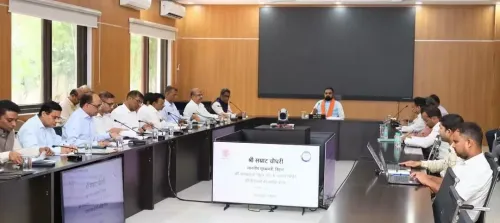
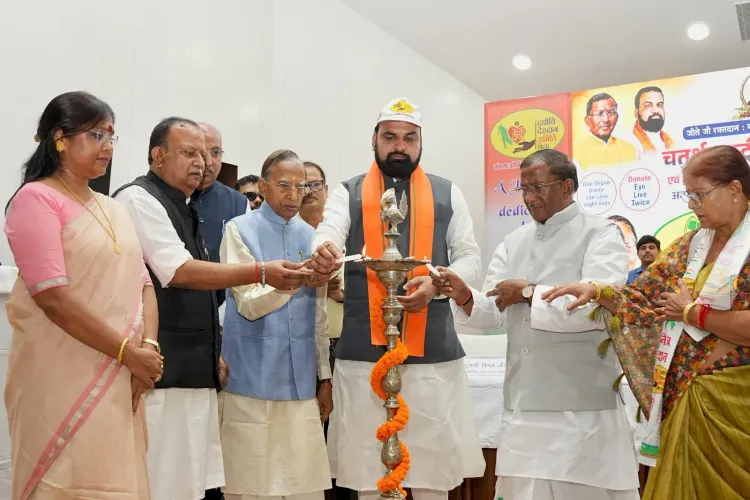
On the combined occasion of the Fourth National Organ Donation Day and the Twelfth International Organ Donation Day, Bihar's Chief Minister Samrat Choudhary inaugurated a state-level ceremony in Patna on Sunday, 9 August 2026 — bringing together donors, medical professionals, and policymakers under one roof to reaffirm the state's commitment to saving lives through voluntary organ pledges.
The Chief Minister's Office of Bihar announced the launch of the 'Samman, Sankalp evam Saptam Rajya-Stariya Samaroh' — translated as 'Honour, Resolve and the Seventh State-Level Ceremony' — marking the event as the seventh edition of Bihar's own annual state-level organ donation function. The dual international and national occasion gave the ceremony an added symbolic weight.
India's organ donation gap — and why state events matter
India has long grappled with a severe shortfall between organ demand and supply. The National Organ and Tissue Transplant Organisation (NOTTO), established in 2014, coordinates donation and transplantation across states, but awareness and voluntary pledge rates remain low in many regions. State-level ceremonies like this one are designed to close that gap — combining public recognition of donors' families with on-the-spot pledge drives.
Bihar's event follows a pattern seen across Indian states: using the dual occasion of national and international organ donation days to anchor high-visibility campaigns, honour past donors, and push fresh registrations under the framework of the Transplantation of Human Organs and Tissues Act. For organ failure patients on waiting lists, each new pledge is a direct lifeline.
What the 'Samman, Sankalp' format signals
The three-word title — Samman (honour), Sankalp (resolve), and the seventh state-level edition — is not accidental. It signals a structured, recurring state commitment rather than a one-off event. Reaching a seventh annual edition suggests Bihar has institutionalised this observance, a relatively uncommon degree of continuity for health-awareness programming at the state level.
Eyes will now turn to whether the ceremony produces measurable outcomes: new donor registrations, expanded transplant infrastructure announcements, or updated Bihar Health Department guidelines on organ retrieval and distribution protocols.
One ceremony, one pledge, one life saved — Bihar's seventh edition is a reminder that the ledger of organ donation is always open, and always urgent.
Point of View
The symbolic investment in annual recognition events can be a precursor to harder policy asks — more organ retrieval centres, trained coordinators, and faster state-level registry integration with NOTTO. The dual national-and-international day framing also reflects a broader Centre-state alignment on health diplomacy, where states increasingly use global health observances to anchor domestic campaigns and attract policy attention from New Delhi.
NationPress
24 Sept 2026
Frequently Asked Questions
What is National Organ Donation Day in India?
National Organ Donation Day is an annual observance in India dedicated to raising awareness about voluntary organ donation and encouraging citizens to pledge their organs to save lives after death.
What did Bihar CM Samrat Choudhary inaugurate on 9 August 2026?
He inaugurated the 'Samman, Sankalp evam Saptam Rajya-Stariya Samaroh' — the seventh state-level organ donation ceremony — on the combined occasion of the Fourth National and Twelfth International Organ Donation Day.
What is NOTTO and what role does it play in organ donation?
NOTTO, the National Organ and Tissue Transplant Organisation, was established in 2014 to coordinate organ donation and transplantation activities across Indian states, maintaining registries and facilitating organ allocation.
Why does Bihar hold a separate state-level organ donation ceremony?
State-level ceremonies allow Bihar to combine public recognition of donor families with on-the-spot pledge drives tailored to local communities, complementing the national framework under the Transplantation of Human Organs and Tissues Act.
How can I register as an organ donor in Bihar?
Citizens can register as organ donors through the NOTTO national registry online portal or at designated state health department centres; state-level events like this one also facilitate on-site registrations.