CM Samrat Choudhary Opens Bihar Organ Donation Pledge Ceremony
Synopsis
Bihar Chief Minister Samrat Choudhary inaugurated a state-level organ donation pledge and felicitation ceremony at Gandhi Maidan, Patna, praising the Dadhichi Dehdan Samiti and committing government support for awareness drives through district hospitals and medical colleges across Bihar.
Key Takeaways
Bihar CM Samrat Choudhary inaugurated the state-level organ donation ceremony at Bihar Chamber of Commerce, Gandhi Maidan, Patna on August 9, 2026 .
The event marked the 12th International Organ Donation Day and the 4th National Organ Donation Day .
CM Choudhary praised the Dadhichi Dehdan Samiti for its organ and body donation awareness work.
The state government committed to running awareness campaigns through district hospitals, sub-divisional hospitals, and medical colleges .
The event combined public donation pledges with felicitation of donor families.
Bihar's initiative aligns with the national framework under NOTTO and the National Organ Transplant Programme (2014) .
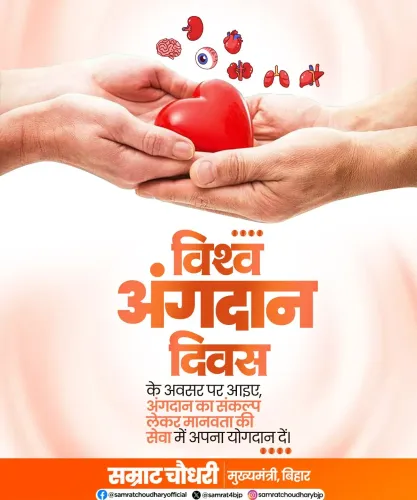
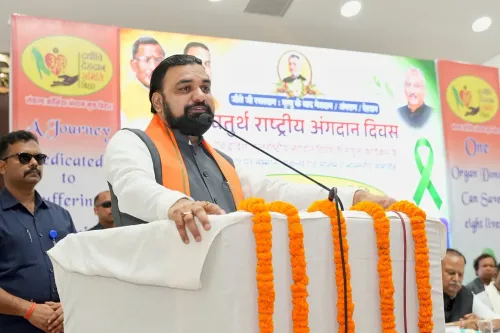
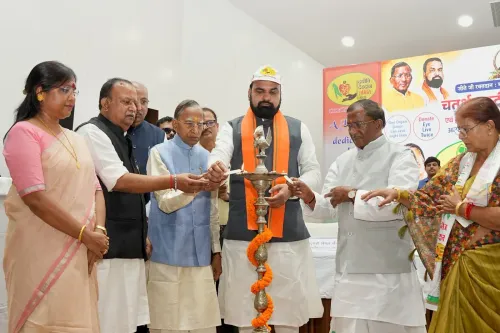
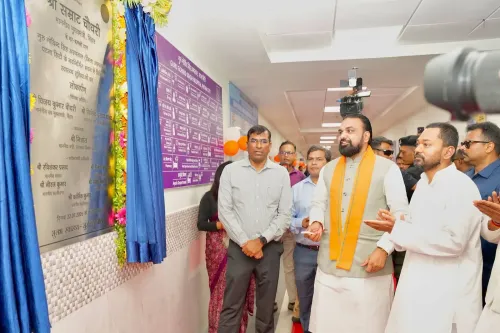
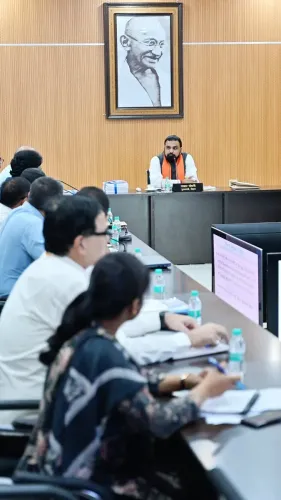
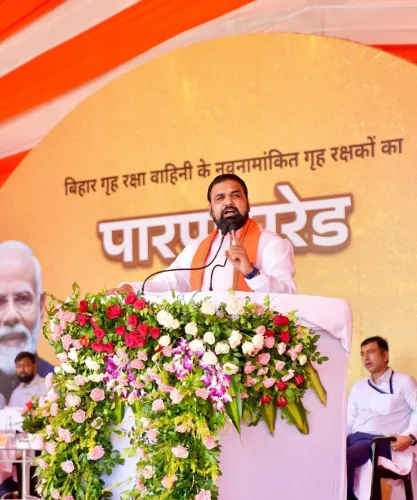
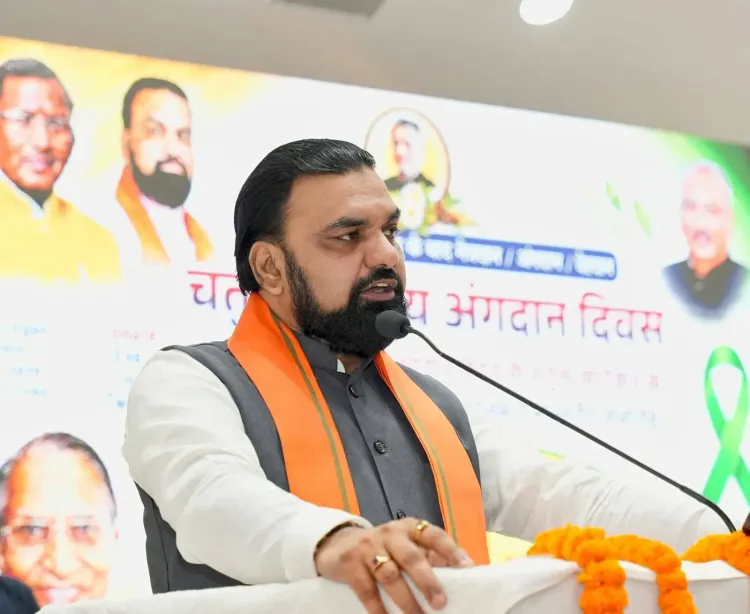
At Gandhi Maidan, Patna, a hall full of pledges — and the weight of lives that could be saved. Bihar Chief Minister Samrat Choudhary on Sunday, August 9, 2026, inaugurated the state-level organ donation pledge and felicitation ceremony organised on the occasion of the 12th International Organ Donation Day and the 4th National Organ Donation Day, hosted at the Bihar Chamber of Commerce.
Addressing the gathering, CM Choudhary praised the work of the Dadhichi Dehdan Samiti, an NGO that has long championed organ and body donation awareness across India, calling its efforts 'srahaniya' — commendable. He announced that the state government would extend full cooperation to run a wide-reaching public awareness campaign on organ donation, channelling outreach through district hospitals, sub-divisional hospitals, and medical colleges across Bihar.
A Call to Pledge: 'Be a Light of Hope After Life'
The Chief Minister's message carried both urgency and poetry. 'Let us resolve to donate organs,' he said, 'and even after life, become a light of hope in someone else's life.' The ceremony combined public pledges with recognition of donor families — a format that puts human faces on a cause that too often stays abstract.
Bihar's Push Inside a Larger National Framework
India's organ donation architecture rests on the Transplantation of Human Organs Act, 1994, which first created the legal scaffolding for voluntary donation. Two decades later, the National Organ Transplant Programme (2014) and the establishment of the National Organ and Tissue Transplant Organisation (NOTTO) added the coordination muscle — tracking donors, matching recipients, and pushing states to build local capacity.
Bihar's state-level event fits squarely into that national push. The promise to activate district and sub-divisional hospitals as awareness nodes is significant: these facilities reach populations that large urban medical colleges never touch. Whether that promise translates into funded programmes, donor registries linked to NOTTO, or partnerships with civil society groups like Dadhichi Dehdan Samiti is what will determine real impact.
India's cadaveric organ donation rates remain among the lowest in the world. Every state-level mobilisation, every family that says yes in a hospital corridor because a CM once stood at a podium and asked — that is how the needle moves. Bihar just made its move.
Point of View
CM Choudhary is attempting to move organ donation from a metro-centric conversation into Bihar's vast rural health infrastructure — a gap that national bodies like NOTTO have long identified. The political calculus is also clear: health-and-humanity optics carry cross-partisan appeal, and invoking the Dadhichi Dehdan Samiti lends civil-society credibility to what is also a government visibility exercise. The real test will be whether this translates into funded donor registries and trained hospital staff, or remains a well-photographed pledge day. Bihar's follow-through will be watched as a model — or a cautionary tale — for other large states with similar infrastructure gaps.
NationPress
23 Sept 2026
Frequently Asked Questions
What event did Bihar CM Samrat Choudhary inaugurate on August 9, 2026?
He inaugurated the state-level organ donation pledge and felicitation ceremony held at the Bihar Chamber of Commerce, Gandhi Maidan, Patna, on the occasion of the 12th International Organ Donation Day and the 4th National Organ Donation Day.
What is the Dadhichi Dehdan Samiti?
The Dadhichi Dehdan Samiti is an NGO that promotes organ and body donation awareness across India. CM Choudhary praised its efforts at the Patna ceremony.
How will the Bihar government spread organ donation awareness?
CM Choudhary announced that the government will run awareness campaigns through district hospitals, sub-divisional hospitals, and medical colleges across Bihar.
What is NOTTO and how does it relate to Bihar's organ donation push?
NOTTO, the National Organ and Tissue Transplant Organisation, is the central government body coordinating organ donation across India since 2014. Bihar's state-level outreach is designed to align with this national framework.
What law governs organ donation in India?
The Transplantation of Human Organs Act, 1994, is the foundational law regulating voluntary organ donation and transplantation in India, later strengthened by the National Organ Transplant Programme in 2014.