CM Samrat Choudhary Urges Bihar to Pledge Organs on World Donation Day
Synopsis
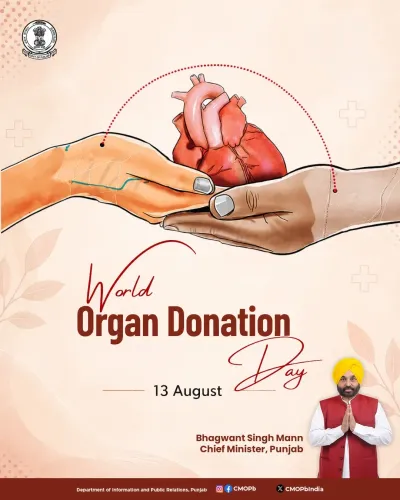
Bihar Chief Minister Samrat Choudhary marked World Organ Donation Day on August 13, 2026 by urging citizens to pledge organs and kindle hope for those awaiting transplants, calling it a sacred act of humanity amid India's persistently low donation rates.
Key Takeaways
Bihar CM Samrat Choudhary posted a public appeal on World Organ Donation Day, August 13, 2026 , urging citizens to pledge organ donation.
He called organ donation a 'sacred act in service of humanity' and said even a small resolve can give someone's life a new direction.
India's organ donation rates remain among the lowest globally relative to population, despite the Transplantation of Human Organs and Tissues Act being in place since 1994 .
National coordination is managed by NOTTO (National Organ and Tissue Transplant Organisation) , which runs periodic awareness and registration drives.
Bihar, as one of India's most populous states, represents a significant potential donor base that public messaging from senior leaders can help activate.
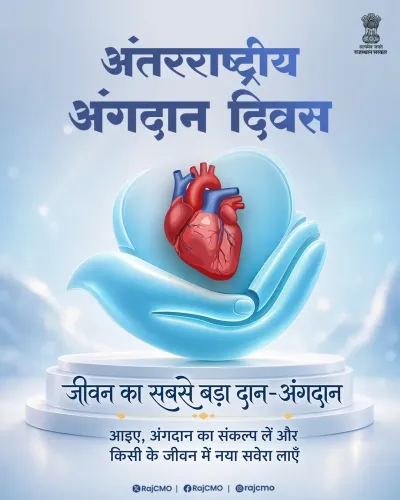
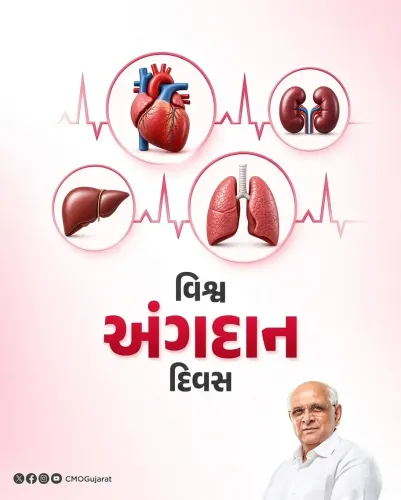
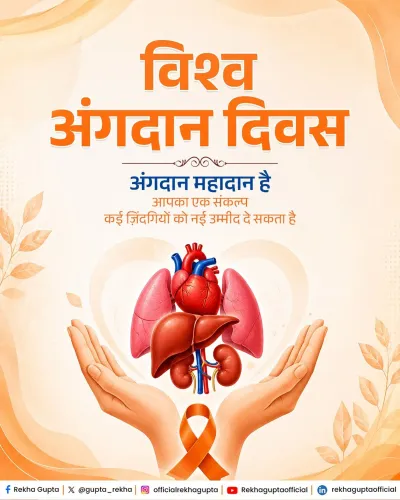
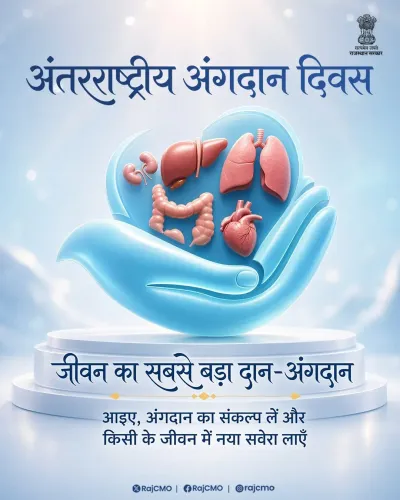
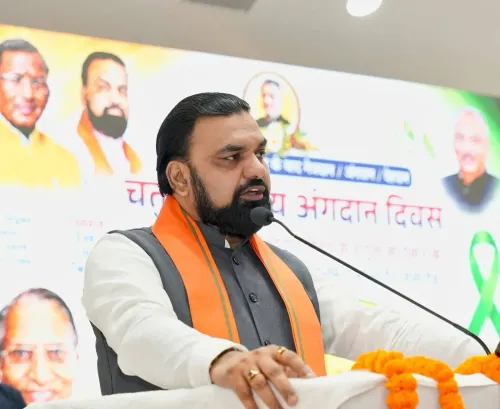
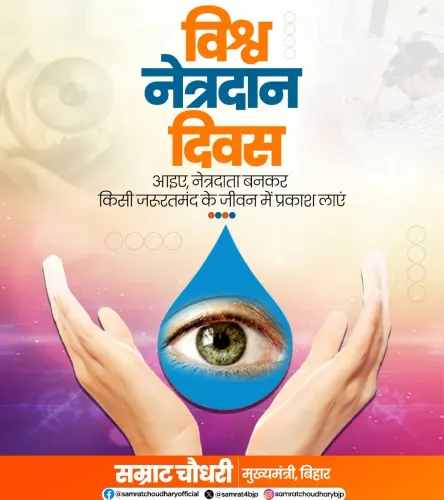
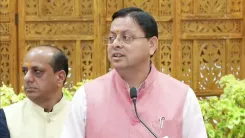
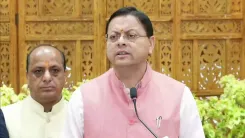
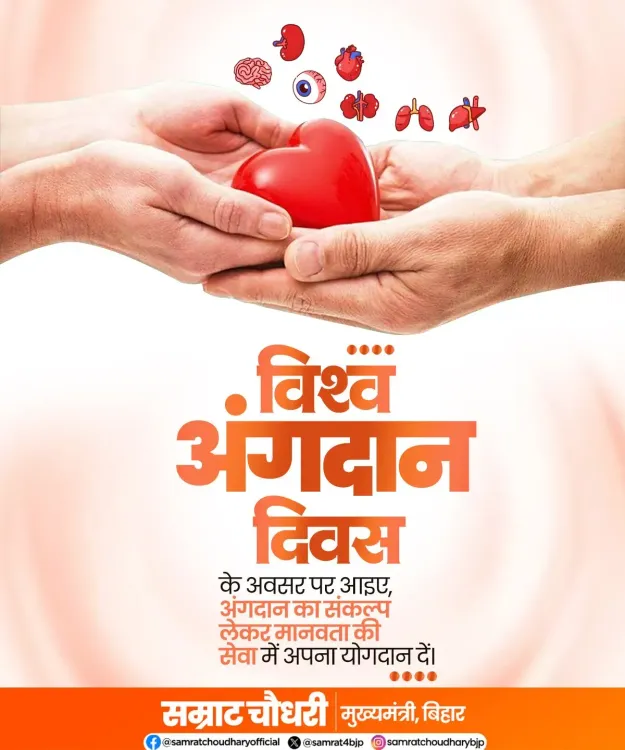
On World Organ Donation Day, August 13, 2026, Bihar Chief Minister Samrat Choudhary used his platform to call on citizens to make a pledge that could save lives — urging every Indian to step forward and give the gift of a second chance.
Posting in Hindi, CM Choudhary wrote: 'विश्व अंगदान दिवस के अवसर पर आइए, अंगदान का संकल्प लेकर किसी जरूरतमंद के जीवन में नई उम्मीद जगाएं' — 'On the occasion of World Organ Donation Day, let us take a pledge to donate organs and kindle new hope in the life of someone in need.' He added that 'our small resolve can give a new direction to someone's life' and called organ donation a 'sacred act in service of humanity.'
A Day Built Around One Urgent Ask
World Organ Donation Day is observed annually to push back against one of public health's most persistent gaps: the chasm between the number of patients waiting for transplants and the number of pledged donors. In India, that gap has long been stark. Organ donation rates remain among the lowest in the world relative to population, a reality that state and central governments have worked to shift through awareness campaigns and registration drives coordinated by bodies such as the National Organ and Tissue Transplant Organisation (NOTTO). The legal framework dates to 1994, when the Transplantation of Human Organs and Tissues Act was enacted to regulate donation and transplantation across the country. More than three decades on, the law exists — but the culture of voluntary pledging is still being built, one public message at a time.Why a Chief Minister's Voice Matters Here
Routine as health-day messages may seem, a sitting Chief Minister's call to action carries institutional weight. Bihar, one of India's most populous states, has a large base of citizens who may be reached through political communication channels that health departments alone cannot match. When leaders normalise the conversation around organ pledging — framing it not as a medical bureaucratic act but as 'मानवता की सेवा का पुनीत कार्य' ('a sacred act in service of humanity') — it shifts the social register around a topic many families find difficult to discuss. State health departments across India have used such occasions to announce registration camps and transplant infrastructure upgrades, and Bihar's health calendar could see similar follow-through in the months ahead.Point of View
But the framing matters: Choudhary's choice to use the language of moral duty — 'sacred act,' 'new hope' — rather than policy instruction reflects a deliberate effort to shift organ donation from a bureaucratic opt-in to a cultural norm. Bihar's low healthcare infrastructure metrics make donor registration drives particularly consequential there. If the post is followed by state-level action — camps, policy updates, NOTTO coordination — it becomes a meaningful data point in India's slow climb toward closing the donor deficit. Without follow-through, it remains one message in a familiar annual cycle.
NationPress
27 Sept 2026
Frequently Asked Questions
When is World Organ Donation Day observed?
World Organ Donation Day is observed annually on August 13 to raise awareness about the importance of pledging organs and to encourage voluntary donation.
What did Bihar CM Samrat Choudhary say on World Organ Donation Day 2026?
CM Choudhary urged citizens to take a pledge to donate organs, saying a small resolve can give a new direction to someone's life and calling it a sacred act in service of humanity.
How can I register as an organ donor in India?
Indians can register as organ donors through the NOTTO (National Organ and Tissue Transplant Organisation) portal or at designated government hospitals and health camps.
What is the law governing organ donation in India?
The Transplantation of Human Organs and Tissues Act, 1994 is the primary legislation regulating organ donation and transplantation across India.
Why are organ donation rates low in India?
India's organ donation rates remain low due to a combination of low public awareness, cultural hesitations around the topic, and gaps in transplant infrastructure — challenges that government campaigns and leader-led appeals aim to address over time.