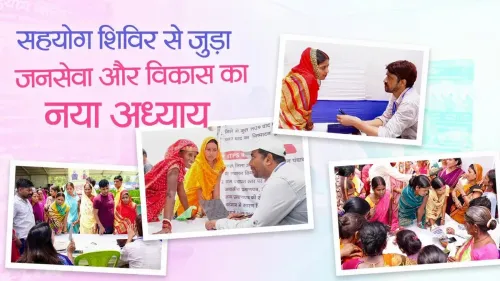
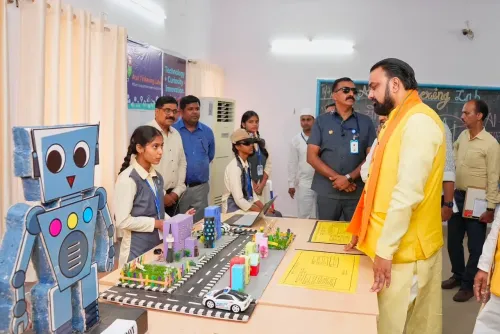
Bihar CM Office Announces 'Sahyog Shivir' for Direct Student Dialogue
Synopsis
The Chief Minister's Office of Bihar has announced 'Sahyog Shivirs' — direct-dialogue camps where CM Nitish Kumar, ministers, MPs, and MLAs will engage students to gather feedback on education problems, needs, and suggestions for systemic reform.
Key Takeaways
Bihar's CMO announced special Sahyog Shivirs (Support Camps) aimed at reforming the state's education system.
CM Nitish Kumar , ministers, MPs, and MLAs will personally participate in direct dialogue with students.
The camps will collect student problems, requirements, and suggestions — bypassing the usual administrative reporting chain.
Bihar has previously applied similar direct-consultation formats in health, rural development, and welfare programmes.
The initiative builds on over two decades of education-sector interventions under Nitish Kumar, including the Mukhyamantri Balika Cycle Yojana .
District-level scheduling and any follow-up government orders will determine whether the outreach translates into concrete policy change.
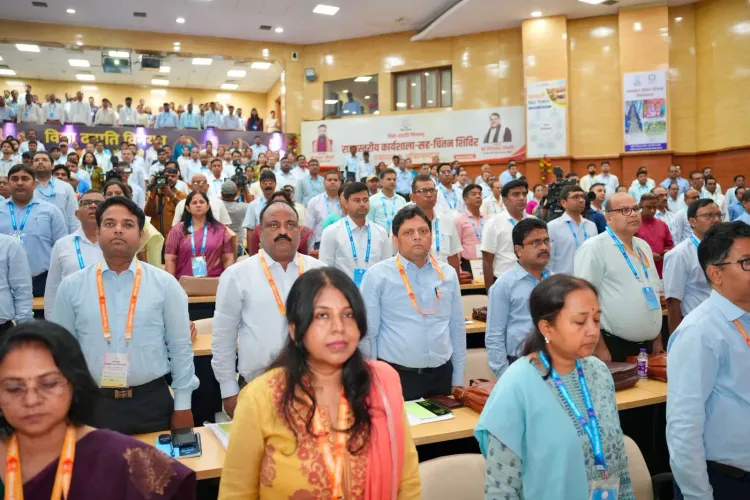
Bihar is about to try something rarely attempted at scale in Indian state governance: putting the Chief Minister, ministers, MPs, and MLAs in the same room as students — and actually listening. The Chief Minister's Office of Bihar announced on Sunday, 9 August 2026 that special Sahyog Shivirs (Support Camps) will be organised to reform the state's education system through direct dialogue with students.
The announcement, posted on the official CMO Bihar X account, states that Chief Minister Nitish Kumar, along with ministers, Members of Parliament, and Members of the Legislative Assembly, will personally engage with students to understand their problems, needs, and suggestions — a direct-feedback model that cuts out the bureaucratic middle layer.
What the Sahyog Shivirs Are Designed to Do
The post describes the initiative as a mechanism for seedha sanvaad — direct conversation — between elected representatives and students. Rather than relying on administrative reports or inspection committees, the camps place decision-makers face-to-face with the people most affected by Bihar's education system. The scope covers student problems, requirements, and suggestions, suggesting a broad mandate rather than a narrow grievance redressal exercise.
Bihar has previously applied similar direct-consultation formats in health, rural development, and welfare delivery — making this an adaptation of a proven outreach model to the education sector.
Nitish Kumar's Education Track Record and Why This Moment Matters
Nitish Kumar has governed Bihar since 2005 with education as a recurring priority. Landmark schemes such as the Mukhyamantri Balika Cycle Yojana — which provided bicycles to girls to boost school enrollment and retention — became national reference points for demand-side interventions. Infrastructure upgrades and large-scale teacher recruitment drives have followed across two decades.
Yet Bihar's education quality indicators have remained a persistent challenge, making a supply-side push insufficient on its own. A direct-feedback loop with students represents a shift toward understanding demand — what students actually experience inside classrooms, not just what administrators report upward.
What Comes Next Will Define the Initiative
The announcement is a declaration of intent. The real test lies in the district-level scheduling of these Shivirs and, critically, whether student feedback translates into concrete government orders or budgetary allocations. Outreach exercises that generate goodwill but no follow-through are a well-documented pattern in Indian state governance — Bihar's CMO will be judged on the paper trail that follows these camps, not the camps themselves.
If the feedback loop closes — if a student in Gaya or Muzaffarpur raises a problem and sees a policy response within a defined timeline — the Sahyog Shivir model could become a template worth watching beyond Bihar's borders.
Point of View
With elected representatives as the conduit. For Nitish Kumar, who has built a durable political identity around incremental institutional reform, this kind of visible, participatory outreach reinforces that brand heading into a politically active period. The harder question is institutional: Bihar has a history of well-intentioned consultation exercises that dissolve without administrative follow-through. Whether this initiative generates binding feedback loops or remains a goodwill exercise will depend entirely on the government orders and budget lines that follow the camps.
NationPress
10 Aug 2026
Frequently Asked Questions
What is a Sahyog Shivir in Bihar?
A Sahyog Shivir is a 'Support Camp' announced by the Bihar Chief Minister's Office where CM Nitish Kumar, ministers, MPs, and MLAs will directly engage students to hear their problems, needs, and suggestions for improving the state's education system.
Who will attend the Bihar Sahyog Shivirs?
The camps will include the Chief Minister, state ministers, Members of Parliament, and Members of the Legislative Assembly, all engaging in direct conversation with students.
What is the purpose of the Sahyog Shivir education camps?
The initiative aims to reform Bihar's education system by collecting first-hand feedback from students on their problems, requirements, and suggestions — bypassing the usual bureaucratic reporting chain.
What education schemes has Nitish Kumar launched in Bihar before?
Nitish Kumar's government has run several education initiatives since 2005, including the Mukhyamantri Balika Cycle Yojana, which provided bicycles to girls to improve school enrollment and retention, alongside infrastructure upgrades and teacher recruitment drives.
When will Bihar's Sahyog Shivirs be held?
The Bihar CMO announced the Sahyog Shivirs on 9 August 2026 but has not yet released a district-level schedule. Dates and locations are expected to be announced in subsequent government orders.