PM Modi meets PM Albanese in Melbourne
Synopsis
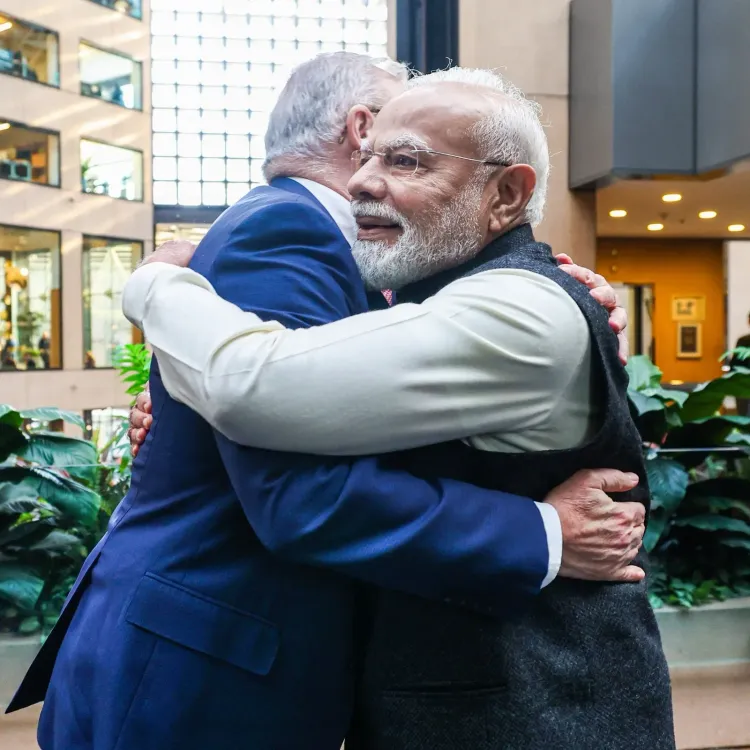
Prime Minister Narendra Modi met Australian Prime Minister Anthony Albanese in Melbourne on 9 July 2026, continuing the regular high-level engagement between the two nations under their Comprehensive Strategic Partnership, with defence, trade, and Indo-Pacific security at the centre of bilateral ties.
Key Takeaways
Prime Minister Narendra Modi confirmed a bilateral meeting with Australian PM Anthony Albanese in Melbourne on 9 July 2026 .
The meeting falls under the Comprehensive Strategic Partnership elevated between India and Australia in June 2020 .
The India-Australia Economic Cooperation and Trade Agreement , signed in April 2022 , forms the economic backbone of the bilateral relationship.
Both nations are members of the QUAD grouping alongside Japan and the United States , focused on Indo-Pacific stability.
Melbourne hosts a significant Indian diaspora community, adding people-to-people significance to the venue choice.
Follow-up announcements on defence technology, critical minerals, or migration pathways are anticipated from the engagement.
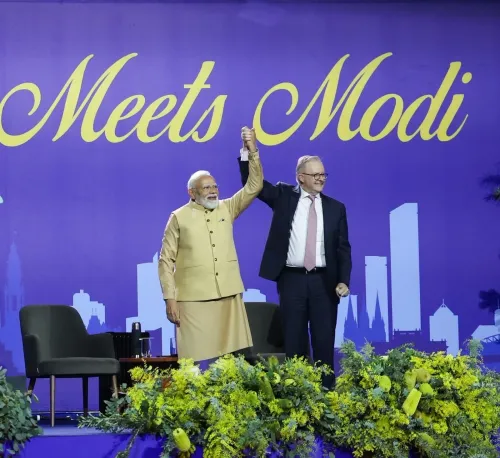
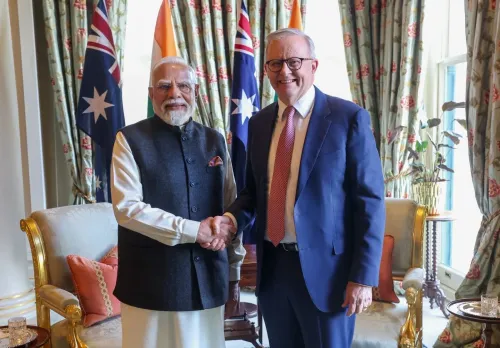
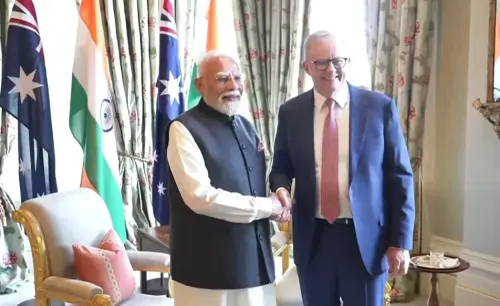
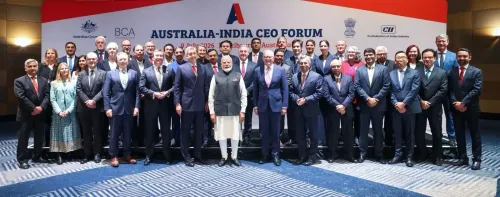
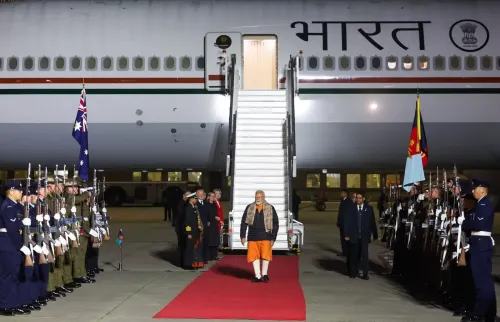
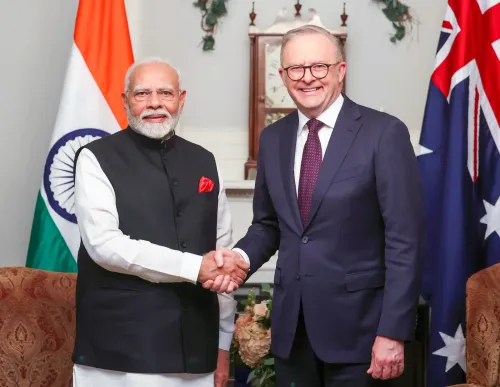
Prime Minister Narendra Modi met Australian Prime Minister Anthony Albanese in Melbourne on Thursday, 9 July 2026, marking the latest high-level engagement between the two nations under the framework of their Comprehensive Strategic Partnership.
Context
Modi's brief post — 'Glad to meet in Melbourne, Prime Minister Albanese' — confirmed the in-person meeting, which takes place against the backdrop of deepening India-Australia ties spanning defence, trade, and education. Melbourne, home to one of Australia's largest Indian diaspora communities, provides a symbolically significant venue for the bilateral engagement.
The two leaders have met on multiple occasions since Albanese took office in 2022, continuing a pattern of regular summitry that has characterised the relationship since 2014. High-level visits have frequently been paired with multilateral gatherings, including QUAD leaders' meetings and G20 summits.
Policy Backdrop
The India-Australia relationship was elevated to a Comprehensive Strategic Partnership during a virtual summit in June 2020, covering security, trade, education, and technology cooperation. That framework was further reinforced by the India-Australia Economic Cooperation and Trade Agreement, signed in April 2022, which expanded market access for goods and services across both economies.
Modi addressed the Australian Parliament during his first official visit in November 2014, signalling a long-term investment in the bilateral relationship. Since then, defence exercises, student mobility, and supply-chain cooperation have all grown substantially under successive governments in both countries.
Stakeholders and Impact
The meeting carries direct relevance for Indian defence forces, which conduct joint exercises with their Australian counterparts, and for trade exporters on both sides who benefit from the 2022 trade agreement. The Indian diaspora in Melbourne and across Australia — numbering in the hundreds of thousands — also watches such engagements closely for signals on migration pathways and bilateral people-to-people ties.
The QUAD grouping — comprising India, Australia, Japan, and the United States — remains a key multilateral pillar of the relationship, with Indo-Pacific maritime security and supply-chain resilience central to both governments' strategic calculus. Any outcomes from this meeting are likely to feed into that broader regional architecture.
What's Next
Observers will watch for any follow-up announcements on defence technology cooperation, critical minerals, or migration and education pathways that may emerge from the Melbourne engagement. The next scheduled QUAD leaders' meeting is also expected to draw the two prime ministers together again in a multilateral format.
The steady cadence of India-Australia summitry suggests that whatever is agreed in Melbourne will be folded into an expanding bilateral architecture — one that both governments have consistently described as a cornerstone of their respective Indo-Pacific strategies.
Point of View
And Albanese as Australia repositions its foreign-policy priorities in a contested regional environment. The choice of Melbourne, a diaspora hub rather than the capital Canberra, hints at a dual purpose: substantive bilateral business alongside visible engagement with Indian-Australian communities. Taken together with the QUAD architecture and the 2022 trade deal, this meeting reinforces a pattern in which India-Australia ties are no longer episodic but institutionally anchored.
NationPress
7 Oct 2026
Frequently Asked Questions
Why did PM Modi meet PM Albanese in Melbourne?
PM Modi met PM Albanese in Melbourne on 9 July 2026 as part of ongoing high-level bilateral engagement under the India-Australia Comprehensive Strategic Partnership , which covers defence, trade, education, and technology cooperation.
What is the India-Australia Comprehensive Strategic Partnership?
The India-Australia Comprehensive Strategic Partnership is a bilateral framework elevated in June 2020 that covers security, trade, education, and technology cooperation between the two countries.
What is the QUAD and how does it involve India and Australia?
The QUAD is a quadrilateral grouping of India, Australia, Japan , and the United States focused on Indo-Pacific maritime security and supply-chain resilience. Both Modi and Albanese participate in QUAD leaders' summits.
What trade agreement exists between India and Australia?
The India-Australia Economic Cooperation and Trade Agreement was signed in April 2022 , expanding market access for goods and services between the two economies.
Has PM Modi visited Australia before?
Yes. PM Modi addressed the Australian Parliament during his first official visit in November 2014 , and has engaged with Australian leaders multiple times since, reflecting the sustained prioritisation of the bilateral relationship.