Jharkhand CM Hemant Soren Anchors ₹86,639 Cr MoU Drive
Synopsis
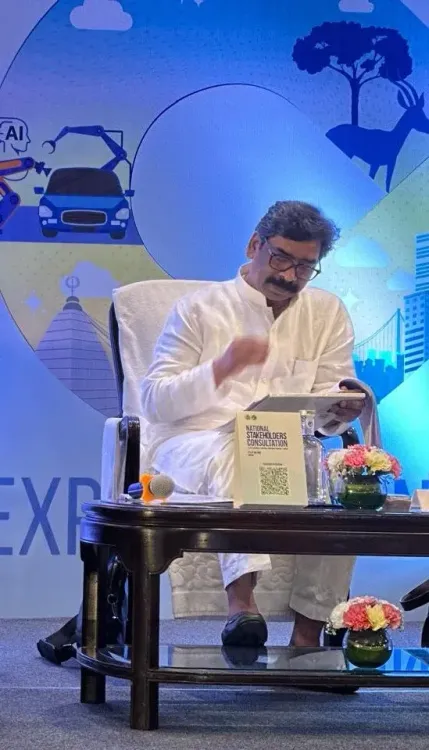
MoUs totalling ₹86,639 crore across multiple sectors were finalised in the presence of Jharkhand Chief Minister Hemant Soren on 9 July 2026, as the state accelerates its industrial development push through a national stakeholder consultation exercise.
Key Takeaways
MoUs worth ₹86,639 crore were finalised across multiple sectors on 9 July 2026 .
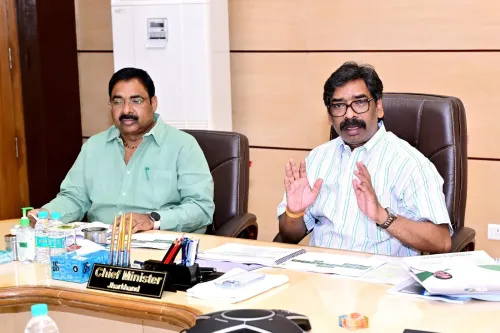
Chief Minister Hemant Soren presided over the finalisation, underscoring political commitment at the highest level.
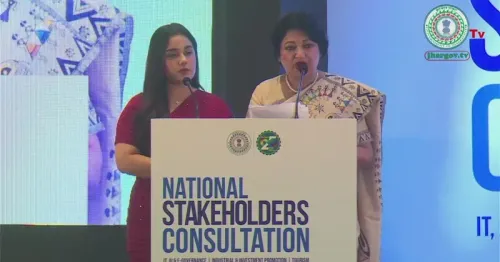
The exercise was framed as a National Stakeholders Consultation , suggesting broad investor and policy participation.
The Jharkhand Department of Industries and state promotion bodies were jointly involved in the process.
Jharkhand's Industrial Policy 2021 provides the incentive framework underpinning these investment commitments.
Actual project grounding rates, employment numbers, and follow-up clearances will determine the real-world impact of these MoUs.
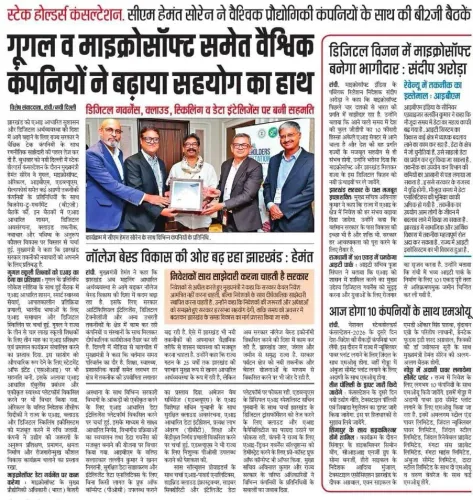
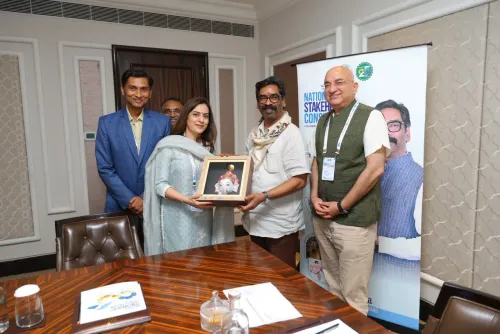
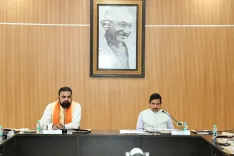
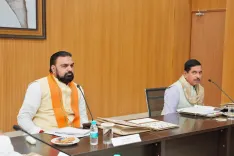
The Chief Minister's Office of Jharkhand announced on Thursday, 9 July 2026 that memoranda of understanding (MoUs) worth a combined ₹86,639 crore across multiple sectors were finalised in the presence of Chief Minister Hemant Soren, marking a significant push to accelerate industrial development in the state.
Context
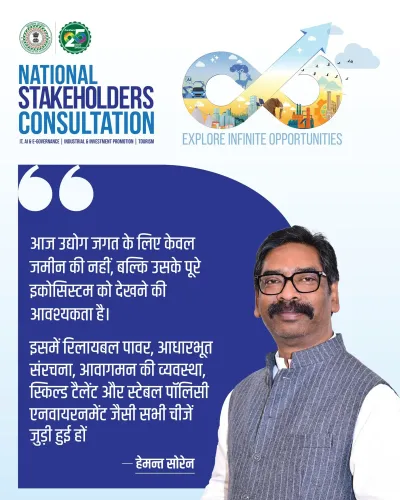
The official post from the Chief Minister's Office stated: 'औद्योगिक विकास को रफ्तार देने के लिए विभिन्न क्षेत्रों में कुल ₹86,639 करोड़ के निवेश वाले MoU को मुख्यमंत्री की उपस्थिति में अंतिम रूप दिया गया' — meaning, 'MoUs involving total investment of ₹86,639 crore across various sectors were finalised in the presence of the Chief Minister to accelerate industrial development.' The announcement was tagged under #National #Stakeholders #Consultation and #JharkhandSeJohar, indicating the event was part of a formal national-level stakeholder consultation exercise.
The Jharkhand Department of Industries and the state's tourism and investment promotion body were both tagged in the post, signalling coordinated inter-departmental participation in the investment drive.
Policy Backdrop
Jharkhand's Industrial Policy 2021 laid the groundwork for this momentum, offering structured incentives for manufacturing, mining-linked industries, and MSME clusters to attract private capital. The state has consistently positioned itself as a mineral-rich destination for large-scale industrial investment, leveraging its natural resource base and ongoing connectivity improvements.
Indian states have increasingly adopted the MoU-signing model during stakeholder conclaves as a tool to signal intent and compete for private investment in manufacturing, mining, and infrastructure. Jharkhand has sought to carve a distinct identity in this landscape by combining its mineral endowments with targeted policy outreach.
Stakeholders and Impact
The investment commitments, if grounded, stand to benefit industrial investors seeking entry into Jharkhand's resource-rich economy, as well as local MSMEs that typically develop as ancillary units around large projects. The state's workforce, particularly in districts with existing industrial clusters, is among the primary intended beneficiaries of job creation tied to these MoUs.
Stakeholder consultations of this scale also serve a signalling function — communicating to domestic and international capital that the state administration under CM Hemant Soren is actively facilitating ease of doing business and investor confidence.
What's Next
The critical metrics to watch will be actual project grounding rates — the share of MoU commitments that translate into construction starts, regulatory clearances, and eventual operations. Analysts tracking eastern India's industrial corridor development will look for follow-up announcements on land acquisition notifications, environmental clearances, and any state budget reallocations to support enabling infrastructure.
Employment generation figures linked to these MoUs will be a key accountability benchmark for the Soren government as it heads into the next phase of its industrial development agenda.
Point of View
639 crore MoU announcement fits a well-established pattern among Indian states using high-visibility stakeholder conclaves to compete for private capital — but Jharkhand's pitch carries specific weight given its mineral reserves and the Soren government's deliberate effort to reposition the state as an investment destination. Framing the event as a 'National Stakeholders Consultation' elevates it beyond a routine signing ceremony, suggesting the administration is building a broader coalition of investor confidence. The real test, as with similar exercises across eastern India, will be the grounding rate — how many of these commitments move from paper to plant. For CM Soren, translating MoU momentum into visible employment and infrastructure outcomes will be the defining political and economic challenge of this investment cycle.
NationPress
9 Jul 2026
Frequently Asked Questions
What is the total investment in MoUs signed by Jharkhand on 9 July 2026?
MoUs totalling ₹86,639 crore across various sectors were finalised in the presence of Chief Minister Hemant Soren on 9 July 2026.
Who presided over the Jharkhand MoU signing ceremony?
Chief Minister Hemant Soren presided over the finalisation of the investment MoUs at the National Stakeholders Consultation event.
Which sectors are covered under Jharkhand's ₹86,639 crore MoUs?
The post describes the MoUs as spanning 'various sectors' aimed at accelerating industrial development; specific sector-wise breakdowns were not detailed in the official announcement.
What is Jharkhand's Industrial Policy 2021?
Jharkhand's Industrial Policy 2021 is a state framework offering incentives for manufacturing, mining-linked industries, and MSME clusters to attract private investment and boost industrial growth.
Will these MoUs actually result in new factories and jobs in Jharkhand?
MoUs represent investment intent, not guaranteed outcomes. Analysts will track project grounding rates, environmental clearances, and employment generation as the true measures of impact.