Iran to amend MoU draft after receiving latest US response
Synopsis
Iran has signalled it will counter-amend the latest US draft MoU — with Parliament Speaker Ghalibaf declaring that concessions come 'with missiles, not dialogue.' With Trump pushing harder on nuclear terms and frozen assets, both sides are holding divergent texts as Pakistani mediators work to bridge the gap.
Key Takeaways
Iran will make its own amendments to the US-Iran MoU draft after receiving Washington's revised version, according to Tasnim news agency.
An informed source confirmed 'nothing is final yet' and that the US amendments do not imply Tehran's approval.
President Trump reportedly sought tougher terms on Iran's nuclear material and raised concerns over the release of Iran's frozen assets .
The conflict began on 28 February with joint US-Israel attacks on Iran; a temporary ceasefire was reached on 8 April .
Talks are being mediated by Pakistan ; both sides have exchanged several proposed frameworks since the ceasefire.
Parliament Speaker Ghalibaf warned Iran would not sign any deal until Iranian rights were secured, and posted on X that concessions come 'with missiles, not dialogue.'
Iran has decided to make its own amendments to the text of a potential memorandum of understanding (MoU) with the United States, after receiving Washington's revised draft, according to the semi-official Tasnim news agency. An informed source quoted by Tasnim confirmed that 'nothing is final yet' and that Tehran will only accept terms it agrees to.
The State of Negotiations
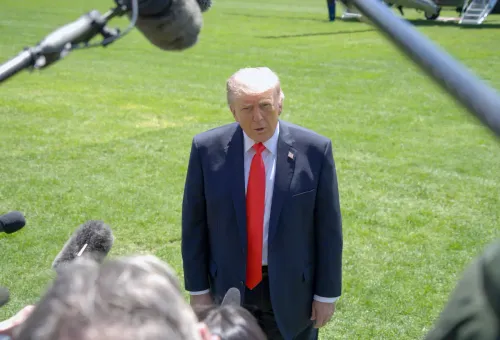
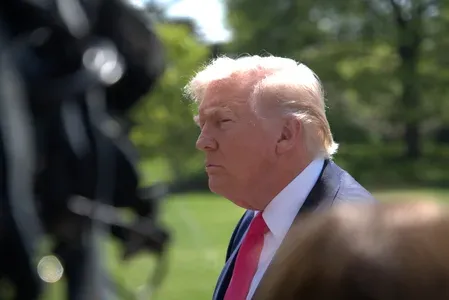
The development follows reports that US President Donald Trump raised concerns over parts of the draft agreement — including the release of Iran's frozen assets — and pushed for tougher terms, particularly on Iran's nuclear material. The US had reportedly amended elements of the draft and sent it back to Tehran before Iran signalled its intent to counter-amend.
The source was categorical: the amendments made by the United States do not imply Tehran's approval, and Iran retains the right to reject any text it finds unacceptable.
Background: From Conflict to Ceasefire
Iran and the United States are reportedly working to formalise an end to a conflict that began on 28 February with joint attacks by the US and Israel against Iran. A temporary ceasefire was reached on 8 April. Since then, the two sides have exchanged several proposed frameworks through Pakistani mediation, though a final agreement has remained elusive.
What Iranian Parliament Speaker Said
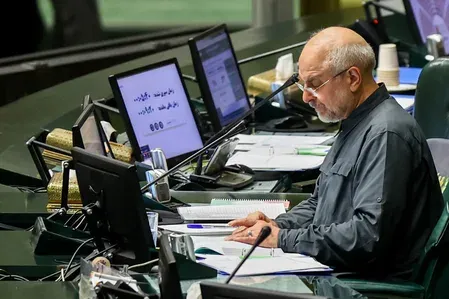
Iranian Parliament Speaker Mohammad Baqer Ghalibaf on Sunday addressed an online parliamentary session, stressing that Tehran would not agree to any deal until the rights of the Iranian people were secured. He said Iranian negotiators had 'no trust' in the enemy's words and promises.
'Our criterion is tangible achievements that we must attain in order to fulfil our commitments in return,' Ghalibaf said. 'We will not approve any agreement until we are sure that we have secured the Iranian nation's rights.'
He also warned that in a new phase of the conflict, adversaries were seeking to sow internal discord through economic pressure and media propaganda to force Iran to capitulate — expressing confidence that the Iranian people would resist such efforts.
Ghalibaf's Hardline Posture on X
In a post on social media platform X on Friday, Ghalibaf adopted a strikingly hawkish tone: 'We obtain concessions not through dialogue, but with missiles; in negotiations we merely make them understandable.' The post underscored Tehran's negotiating posture — projecting military leverage as the foundation of any diplomatic outcome.
What Comes Next
With both sides now holding amended drafts, the trajectory of talks will depend on whether the gaps on frozen assets and nuclear terms can be bridged. The Pakistani mediation channel remains the primary back-channel, and the pace of exchanges suggests both sides retain interest in a deal — though on sharply different terms. Any agreement, if reached, would mark a significant shift in the Middle East security landscape.
Point of View
While Tehran insists on tangible gains before any commitment. Ghalibaf's 'missiles, not dialogue' post on X is not just rhetoric — it is a domestic signal to hardliners that the negotiating team has not gone soft. The Pakistani mediation channel has kept talks alive, but the structural gap between a US demand for upfront nuclear concessions and Iran's insistence on simultaneous asset releases has not narrowed. Until one side blinks on sequencing, the MoU will remain a draft in perpetual revision.
NationPress
16 Oct 2026
Frequently Asked Questions
What is the Iran-US MoU being negotiated?
It is a proposed memorandum of understanding aimed at formally ending the conflict between Iran and the United States that began on 28 February with joint US-Israel attacks on Iran. The two sides have been exchanging draft texts through Pakistani mediation since a temporary ceasefire on 8 April.
Why is Iran amending the US draft?
Iran has decided to counter-amend the draft because the revisions made by the United States — particularly on frozen assets and nuclear material terms — do not reflect Tehran's position. An informed source confirmed that Iran will only accept a text it agrees to, and 'nothing is final yet.'
What changes did the US seek in the MoU draft?
According to reports, President Trump raised concerns over the release of Iran's frozen assets and pushed for tougher terms on Iran's nuclear material. The US amended elements of the draft and sent the revised version back to Tehran.
What did Parliament Speaker Ghalibaf say about the deal?
Ghalibaf said Iran would not approve any agreement until the rights of the Iranian people were secured. He stressed that Iranian negotiators had no trust in the adversary's promises and that the criterion for any deal was 'tangible achievements.' He also posted on X that Iran obtains concessions 'with missiles, not dialogue.'
What role is Pakistan playing in the Iran-US talks?
Pakistan is serving as a mediator between Iran and the United States, facilitating the exchange of proposed frameworks since the temporary ceasefire of 8 April. The Pakistani mediation channel is currently the primary back-channel for the negotiations.