Maharaja Hari Singh's 131st birth anniversary: Tributes paid in Srinagar
Synopsis
On his 131st birth anniversary, Maharaja Hari Singh was honoured in Srinagar for reforms that shaped modern J&K — from the 1930 Compulsory Education Act and abolition of untouchability to banning child marriage and signing the Instrument of Accession in 1947. His legacy remains a live political reference point in the region.
Key Takeaways
Maharaja Hari Singh's 131st birth anniversary was observed on 23 September 2026 at a function in Srinagar .
The event was held at the BJP's Jawahar Nagar office , attended by BJP leaders, legislators, and Waqf Board Chairperson Darakhshan Andrabi .
Hari Singh enacted the Compulsory Primary Education Act of 1930 , launching 'Jabri' schools across Srinagar, Jammu, Sopore, and Udhampur .
He abolished untouchability , banned child marriage and Sati , and promoted widow remarriage .
He signed the Instrument of Accession on 26 October 1947 , legally merging J&K with the Union of India.
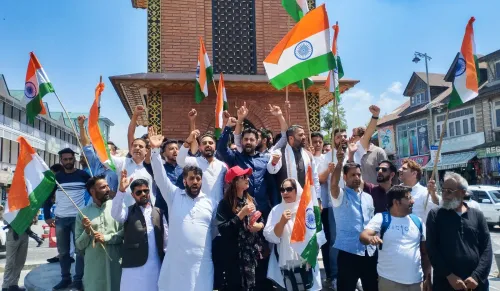
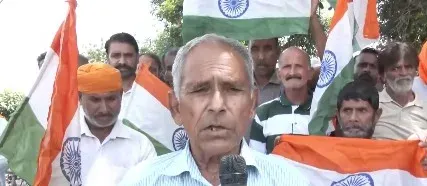
Jammu and Kashmir remembered the legacy of its erstwhile ruler Maharaja Hari Singh on his 131st birth anniversary on Wednesday, 23 September 2026, with glowing tributes paid at a function in Srinagar. The event, hosted at the Jawahar Nagar office of the Bharatiya Janata Party (BJP), drew several party leaders, legislators, and prominent public figures who honoured the Maharaja's wide-ranging contributions to the region.
Function and Attendees
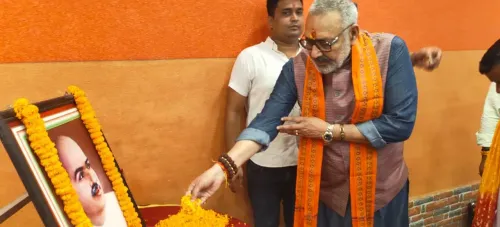
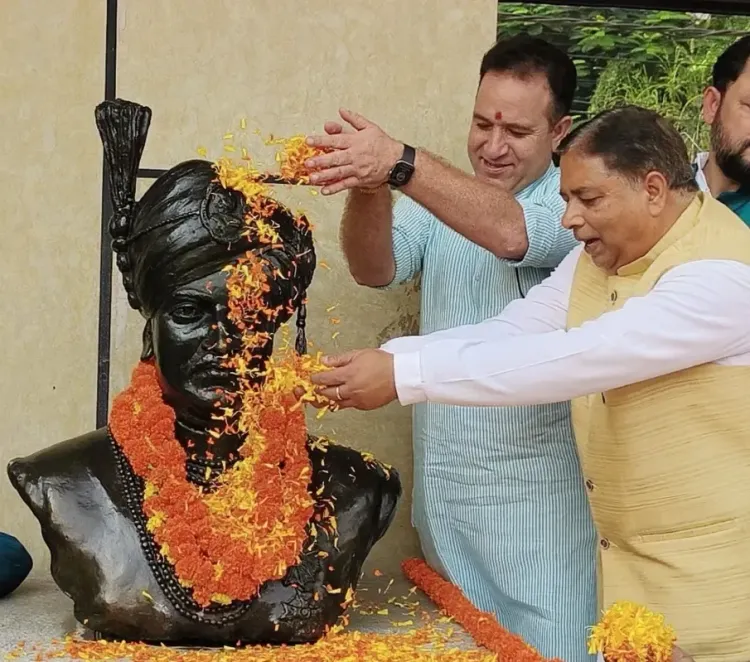
An impressive gathering assembled at the BJP's Jawahar Nagar office in Srinagar, with BJP leaders and multiple legislators attending to mark the occasion. Darakhshan Andrabi, Chairperson of the Waqf Board, was also among the attendees. Floral tributes were placed before the late Maharaja's portrait as speakers recalled his deep affection for the people of Jammu and Kashmir.
Education and Social Reforms
Leaders at the function highlighted Maharaja Hari Singh's transformative social agenda. He enacted the Compulsory Primary Education Act of 1930, which mandated basic schooling in major towns including Srinagar, Jammu, Sopore, and Udhampur. The government schools opened under this initiative were popularly known as 'Jabri' — meaning 'compulsory by force' — reflecting the mandatory nature of attendance. Speakers credited these institutions as the bedrock of J&K's educational foundation.
The Maharaja also established a dedicated department for female education, headed by a deputy director, specifically to encourage girls' enrolment in schools — a progressive step for the era.
Landmark Social Legislation
The late Maharaja's reign was marked by several progressive legislative milestones. He abolished untouchability, permitting lower-caste individuals and members of Scheduled Castes entry into Hindu temples. He banned child marriage and the practice of 'Sati', and actively promoted widow remarriage, working to enhance the dignity and legal standing of women across the state.
He also instituted protections for the permanent residents of Jammu and Kashmir, safeguarding local jobs, land, and property rights against external influx — a policy framework that would later assume significant political and constitutional relevance.
Accession to India and a Secular Credo
Speakers at the function also recalled Maharaja Hari Singh's historic decision to sign the Instrument of Accession on 26 October 1947, legally merging Jammu and Kashmir with the Union of India during the tribal incursions that accompanied the Partition crisis. The Maharaja's secular outlook was underscored by his oft-quoted declaration upon ascending the throne: 'As a ruler, I have no religion, all religions are mine and my religion is justice.'
The anniversary observance reflects the continued political significance of Maharaja Hari Singh's legacy in J&K, particularly as debates around the region's identity, autonomy, and history remain live in public discourse.
Point of View
Accession, and autonomy have been contested for decades, invoking Hari Singh's legacy serves to anchor J&K's integration with India in the moral authority of its last ruler's own decision. The participation of figures across party and institutional lines signals broad elite consensus, though the Maharaja's complex legacy — including his initial hesitation before signing the Instrument of Accession — receives less scrutiny than his social reforms. A fuller reckoning would acknowledge both the progressive legislator and the ruler caught between geopolitical forces in 1947.
NationPress
23 Sept 2026
Frequently Asked Questions
Who was Maharaja Hari Singh?
Maharaja Hari Singh was the last ruling Maharaja of the princely state of Jammu and Kashmir, known for wide-ranging social and educational reforms. He is most historically significant for signing the Instrument of Accession on 26 October 1947, legally merging J&K with the Union of India during the tribal incursions at Partition.
What were Maharaja Hari Singh's major reforms?
His key reforms included enacting the Compulsory Primary Education Act of 1930, abolishing untouchability, banning child marriage and the practice of Sati, promoting widow remarriage, and establishing a dedicated department for female education. He also instituted protections for permanent residents of J&K over land, jobs, and property rights.
What were the 'Jabri' schools in Jammu and Kashmir?
The 'Jabri' schools were government schools opened under the Compulsory Primary Education Act of 1930, with the name meaning 'compulsory by force' — reflecting mandatory attendance rules. They were established in towns such as Srinagar, Jammu, Sopore, and Udhampur, and are credited as the foundation of mass education in J&K.
Why is the Instrument of Accession significant?
The Instrument of Accession, signed by Maharaja Hari Singh on 26 October 1947, is the legal document through which Jammu and Kashmir formally merged with the Union of India. It was signed amid a tribal incursion crisis during the Partition period, and remains a foundational and politically contested document in the history of J&K.
How was Maharaja Hari Singh's 131st birth anniversary marked in 2026?
The 131st birth anniversary was observed on 23 September 2026 at the BJP's Jawahar Nagar office in Srinagar, with BJP leaders, legislators, and Waqf Board Chairperson Darakhshan Andrabi in attendance. Floral tributes were paid, and speakers recalled his contributions to education, social reform, and J&K's accession to India.