Article 370 abrogation: 7 years on, J&K residents describe a changed Valley
Synopsis
Seven years after Article 370 was stripped away, Jammu and Kashmir's ground reality has shifted measurably — tourists now throng Lal Chowk, cinema halls have reopened, and communities denied political rights for decades are finally voting. But security concerns linger, and statehood remains unrestored.
Key Takeaways
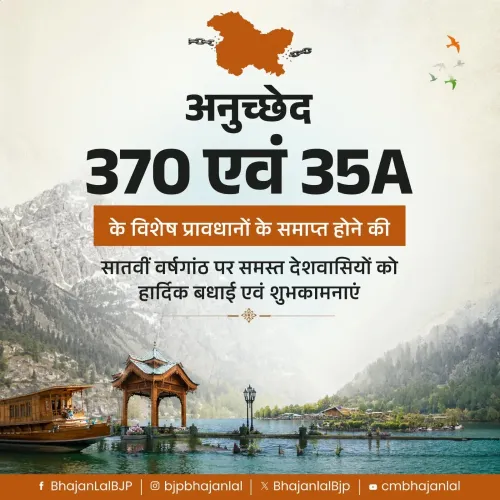
Article 370 was abrogated on 5 August 2019 , ending Jammu and Kashmir's special constitutional status; the region marks its seventh anniversary on Wednesday.
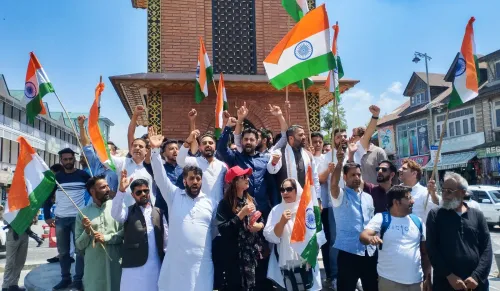
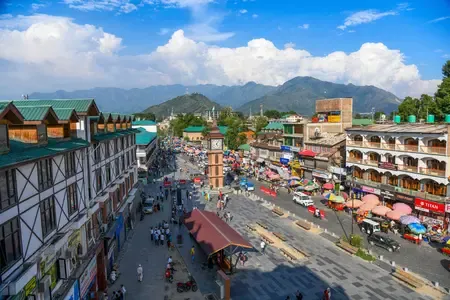
Residents report a significant decline in militancy and a surge in tourism, with Lal Chowk in Srinagar now drawing visitors who hoist the national flag publicly.
Cinema halls and multiplexes have reopened in the Valley for the first time since the abrogation.
The Gorkha , Valmiki , and PoJK-displaced communities — long denied political and employment rights — can now participate in elections, according to local leaders.
Rail connectivity to the Valley has been restored and development activity has expanded, according to Chamber of Commerce Jammu President Arun Gupta .
Security concerns have not fully abated, with Gupta also flagging recent incidents even while welcoming the overall decline in terror activity.
Seven years after Article 370 of the Indian Constitution was abrogated on 5 August 2019, residents of Jammu and Kashmir say the Union Territory has undergone a visible — if uneven — transformation, with declining militancy, a tourism surge, and the restoration of civic rights for long-marginalised communities.
A Valley Unrecognisable from 2019
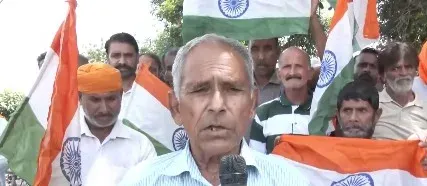
Markets that once shuttered under enforced strikes are now reportedly buzzing with traders and students. Cinema halls and multiplexes have reopened in the Valley for the first time in years. At Lal Chowk in Srinagar — once a flashpoint — tourists are now photographing themselves with the national flag, according to local accounts.
Vimal Mehra, a Srinagar youth, recalled scenes of Pakistani flags being publicly displayed at the same landmark, contrasting them with the current footfall of tourists. He credited Prime Minister Narendra Modi and Union Home Minister Amit Shah for what he called a 'historic' shift in the city's character.
Business and Commerce: The Ground Reality
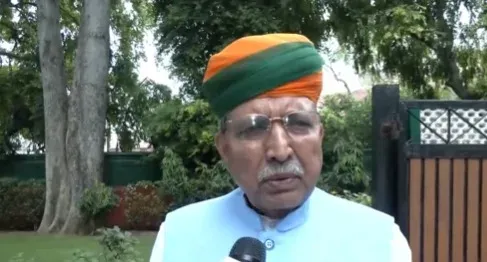
Arun Gupta, President of the Chamber of Commerce Jammu, said the changes since 5 August 2019 have been significant. 'Jammu and Kashmir has witnessed significant changes after August 5, 2019. Today, trains are reaching the Valley, tourism is growing and development work is taking place,' he said, while also expressing concern over recent security incidents.
Another resident, Deepak Singh, said that shutdowns and curfews enforced by separatists had paralysed ordinary commerce for years. 'Due to separatists, ordinary people in Jammu and Kashmir suffered from shutdowns, strikes and curfews but after the abrogation of Article 370, the business of such an ideology has come to an end,' he said. Singh also alleged that separatist leaders sent their children abroad while pushing local youth towards militancy.
Marginalised Communities See Shift in Rights
Purshotam Dadhichi, President of the Shri Sanatan Dharma Sabha Jammu and Kashmir, said the most significant post-abrogation change has been a restored sense of security. 'Tourists from different parts of the country and pilgrims visiting religious destinations such as Vaishno Devi now feel safer than before,' he said.
Dadhichi also noted that the Gorkha community, the Valmiki community, and people displaced from Pakistan-occupied Jammu and Kashmir (PoJK) had been denied political and employment rights for decades under the earlier constitutional arrangement. In the post-abrogation period, he said, these communities can now participate in the electoral process and are being courted by political parties.
Security and Tourism: The Broader Picture
Militancy and terrorism in the region have registered a notable decline over the past seven years, according to local residents and commerce leaders, though security concerns have not disappeared entirely. The restoration of rail connectivity to the Valley and the reopening of entertainment venues are cited as markers of normalisation.
This comes amid a broader national debate over the political and constitutional implications of the abrogation, with the Supreme Court having upheld the move in December 2023. As Jammu and Kashmir marks the seventh anniversary of the revocation, the ground-level accounts suggest a territory in transition — with gains in civic life, even as questions over full statehood restoration and political representation remain open.
Point of View
But they come predominantly from voices that supported the abrogation — a reminder that resident testimony, while valuable, is not a substitute for independent audit of security data, employment figures, or press freedom indices. The reopening of cinema halls and the return of tourists to Lal Chowk are real and visible. Less visible is the status of political detainees, the timeline for statehood restoration, and whether the communities now 'approaching political parties' have translated that access into durable economic gains. Seven years is long enough to demand a reckoning with metrics, not just narratives.
NationPress
19 Sept 2026
Frequently Asked Questions
What was Article 370 and why was it abrogated?
Article 370 of the Indian Constitution granted special autonomous status to Jammu and Kashmir, exempting it from most central laws without state consent. It was abrogated on 5 August 2019 by the Centre, which argued the move would integrate the region fully with the rest of India and accelerate development.
What changes have residents of J&K reported seven years after the abrogation?
Residents cite declining militancy, a tourism boom at sites like Lal Chowk in Srinagar, the reopening of cinema halls and multiplexes, restored rail connectivity, and the extension of voting rights to previously marginalised communities including the Gorkha, Valmiki, and PoJK-displaced populations.
Which communities gained rights after Article 370 was revoked?
According to Shri Sanatan Dharma Sabha J&K President Purshotam Dadhichi, the Gorkha community, the Valmiki community, and people displaced from Pakistan-occupied Jammu and Kashmir were denied political and employment rights under the earlier arrangement. Post-abrogation, they can now participate in the electoral process.
Has the Supreme Court ruled on the Article 370 abrogation?
Yes. The Supreme Court of India upheld the abrogation of Article 370 in December 2023, ruling that the Centre had the constitutional authority to revoke the provision. The question of full statehood restoration for Jammu and Kashmir remains pending.
Are there still security concerns in Jammu and Kashmir?
While militancy has registered a notable decline over seven years, security concerns have not disappeared. Chamber of Commerce Jammu President Arun Gupta, while welcoming overall improvements, also flagged concern over recent incidents, indicating that normalisation remains a work in progress.