Amarnath Yatra suspended on Article 370 anniversary amid security clampdown
Synopsis
On the 7th anniversary of Article 370's abrogation, authorities suspended the Amarnath Yatra as a security precaution, blocked PDP protests across J&K, and reportedly confined former CM Mehbooba Mufti. The episode underscores how each anniversary of the 2019 restructuring continues to trigger a security-versus-dissent standoff in the Valley.
Key Takeaways
The Shri Amarnath Yatra was suspended on 5 August 2025 as a precautionary security measure tied to the Article 370 abrogation anniversary .
Pilgrims were barred from moving toward the Valley and from returning via Jammu, but movement from the Baltal base camp to the shrine was permitted.
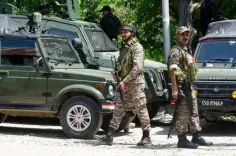
Police and CRPF were deployed around sensitive areas and the PDP headquarters across J&K.
Former Chief Minister Mehbooba Mufti was reportedly confined to prevent her participation in planned protests.
The PDP demanded restoration of Article 370 and Article 35A , going further than the ruling National Conference 's call for statehood restoration alone.
On 5 August 2019 , J&K's special status was revoked and the state was bifurcated into the Union Territories of J&K and Ladakh .
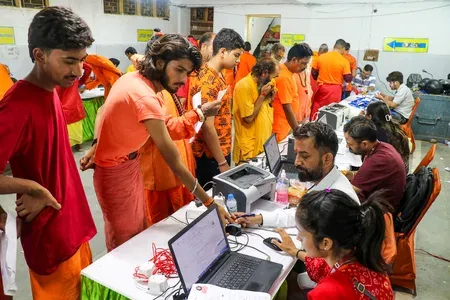
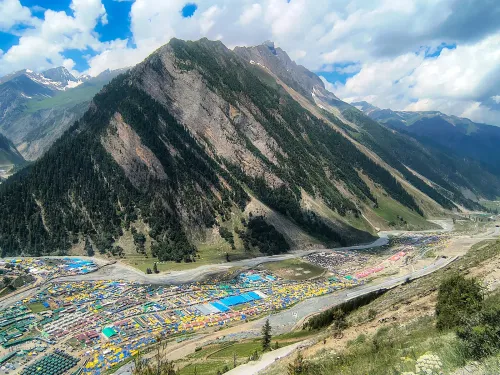
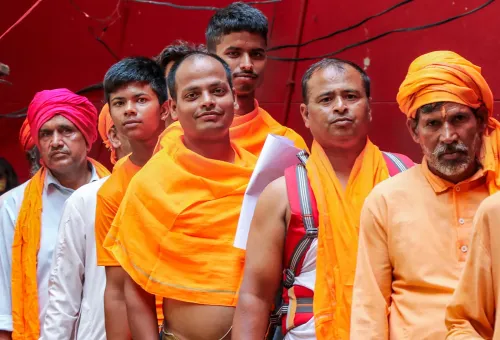
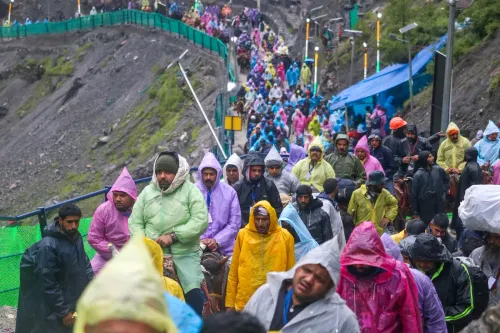
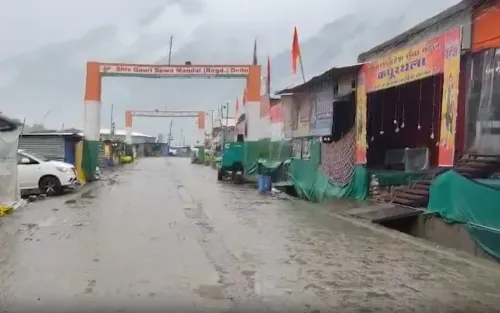
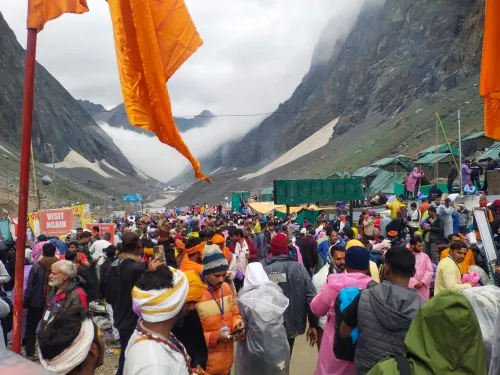
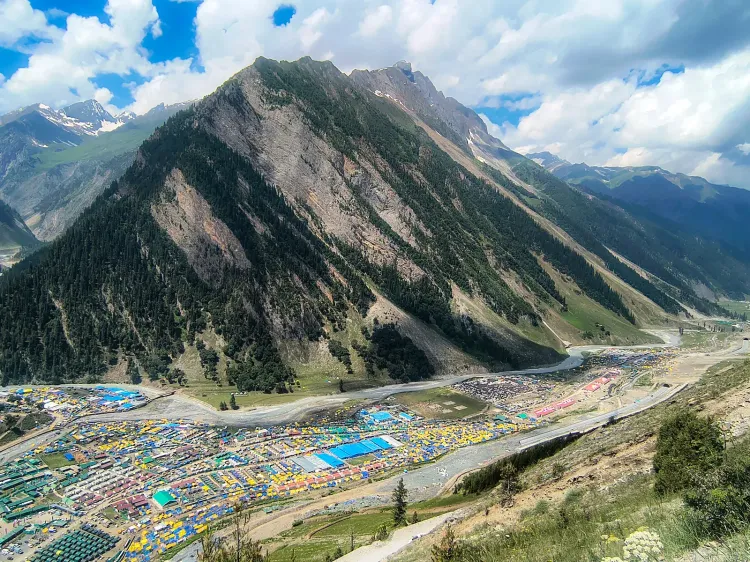
The Shri Amarnath Yatra was suspended on Wednesday, 5 August 2025, as a precautionary security measure coinciding with the 7th anniversary of the abrogation of Article 370 in Jammu and Kashmir. Authorities halted the movement of pilgrims toward the Valley and barred returning Yatri convoys from moving toward Jammu, though pilgrims were permitted to proceed toward the holy cave shrine from the North Kashmir Baltal base camp.
What Was Suspended and What Was Permitted
Official sources confirmed that no Yatri convoy would be allowed to move toward Jammu for pilgrims returning after completing the Yatra. The suspension, however, was partial — movement from the Baltal base camp toward the shrine remained open. Authorities described the measure as a time-bound precaution linked directly to the anniversary, not a permanent halt to the pilgrimage.
Security Deployment Across J&K
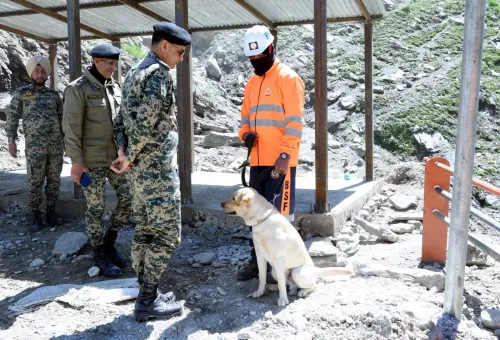
Heightened security was put in place across Jammu and Kashmir on the anniversary, which also marks the day the state was downgraded to a Union Territory and bifurcated into the two centrally administered UTs of J&K and Ladakh in 2019. Police and the Central Reserve Police Force (CRPF) were deployed around sensitive areas and the headquarters of the Peoples Democratic Party (PDP). Movement restrictions were also imposed in parts of the region.
PDP Protests and Confinement of Leaders
The opposition Peoples Democratic Party (PDP) had announced district-wide peaceful protests across J&K to mark the anniversary, demanding the restoration of Article 370, Article 35A, and the release of political prisoners. Authorities denied formal permission for the protests, citing law and order concerns. According to reports, senior PDP leaders — including former Chief Minister and PDP president Mehbooba Mufti — were confined to prevent their participation in the demonstrations. The party had also proposed a 15-minute symbolic blackout as part of the protest.
PDP vs National Conference: A Divide on Demands
Notably, the PDP's demands go further than those of the ruling National Conference, which has limited its position to seeking statehood restoration for J&K. The PDP is pressing for the full reinstatement of Article 370 and Article 35A — a distinction that reflects a deeper political fault line within the region's opposition landscape. This comes amid ongoing debate about J&K's constitutional future, more than six years after the Centre's sweeping changes of 5 August 2019.
Background: What Happened on 5 August 2019
On 5 August 2019, the Government of India revoked the special autonomous status granted to Jammu and Kashmir under Article 370 of the Indian Constitution. The state was simultaneously bifurcated into two Union Territories — Jammu and Kashmir (with a legislature) and Ladakh (without one) — both placed under direct central administration. The anniversary has since been marked by security precautions and political protests each year.
With the Yatra suspension lifted partially and security forces maintaining a tight perimeter, the situation across J&K will be closely watched through the remainder of the day.
Point of View
Which suits the Centre but does not resolve the underlying legitimacy deficit. Until the government allows organised dissent on this anniversary without blanket restrictions, the security apparatus risks becoming the loudest argument against its own narrative of normalisation.
NationPress
19 Sept 2026
Frequently Asked Questions
Why was the Amarnath Yatra suspended on 5 August 2025?
The Yatra was suspended as a precautionary security measure on the 7th anniversary of the abrogation of Article 370. Authorities halted pilgrim movement toward the Valley and returning convoys toward Jammu, though travel from the Baltal base camp to the shrine was allowed.
Was the Amarnath Yatra completely halted?
No, the suspension was partial. While no Yatri convoy was permitted to move toward Jammu and no new pilgrims were allowed into the Valley, movement from the North Kashmir Baltal base camp toward the holy cave shrine continued.
What did the PDP protest on 5 August 2025?
The Peoples Democratic Party announced district-wide peaceful protests across J&K demanding the restoration of Article 370, Article 35A, and the release of political prisoners. Authorities denied permission for the protests and reportedly confined senior leaders including former CM Mehbooba Mufti.
How do the PDP's demands differ from those of the National Conference?
The PDP is demanding full reinstatement of Article 370 and Article 35A, while the ruling National Conference has limited its position to seeking statehood restoration for J&K — a narrower demand that does not challenge the 2019 constitutional changes directly.
What happened on 5 August 2019?
On 5 August 2019, the Government of India revoked Jammu and Kashmir's special autonomous status under Article 370 and bifurcated the state into two Union Territories — Jammu and Kashmir (with a legislature) and Ladakh (without one) — both under direct central administration.