Iran, Iraq, Turkey urge de-escalation amid rising West Asia tensions
Synopsis
As West Asia tensions mount, Iran held back-to-back calls with Turkey and Iraq urging de-escalation — while quietly clinching a new Strait of Hormuz navigation deal with Oman that places key entry routes inside Iranian territorial waters. The US, which reportedly pushed to keep the southern route open, appears to be on a collision course with Tehran's emerging regional framework.
Key Takeaways
Iranian Foreign Minister Seyed Abbas Araghchi held separate calls with Turkish FM Hakan Fidan and Iraqi FM Fuad Hussein on 13 September 2025 to discuss regional de-escalation.
All three nations stressed the need to prevent the escalation and geographic spread of conflicts across West Asia .
Iran and Oman reportedly reached a final agreement in late August on new Strait of Hormuz entry and exit routes.
Under the deal, the Gulf entry route 'lies entirely within Iran's territorial waters ,' with part of the exit route also falling within Iranian waters.
The southern Hormuz route is set to be closed once the new system is operational — a move the United States had reportedly opposed.
Gulf nations are to be briefed at a regional meeting in Muscat on Monday .
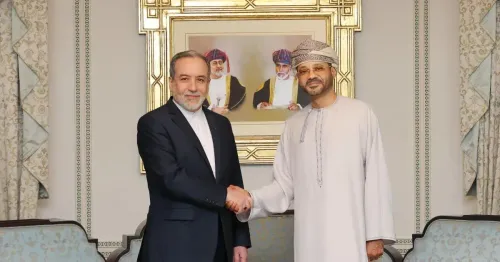
The foreign ministers of Iran, Iraq, and Turkey held separate high-level phone calls on Saturday, 13 September 2025, stressing the urgent need to prevent further escalation of tensions and the spread of conflict across the West Asia region. The diplomatic exchanges, confirmed by statements from Iran's Foreign Ministry on Sunday, reflect growing anxiety among regional powers over the trajectory of ongoing crises.
Key Diplomatic Exchanges
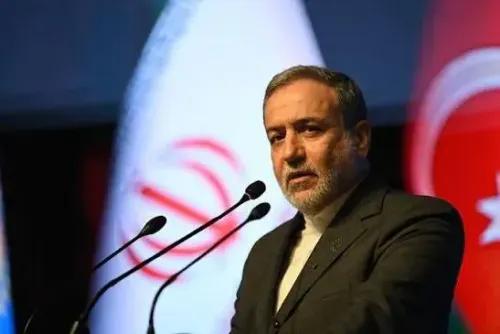
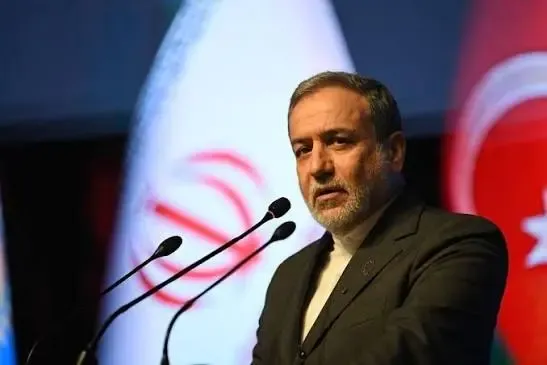
Iranian Foreign Minister Seyed Abbas Araghchi spoke individually with Turkish Foreign Minister Hakan Fidan and Iraqi Foreign Minister Fuad Hussein. In his conversation with Fidan, the two ministers reviewed the latest regional developments and underscored the necessity of halting the escalation and geographic spread of conflicts. Both sides also called for sustained diplomatic consultations to uphold regional stability and peace.
In the separate call with Hussein, Araghchi and his Iraqi counterpart addressed bilateral matters alongside broader regional processes. The two ministers emphasised maintaining stability and security along the Iran-Iraq common border and pledged continued coordination. They also called for what they described as 'responsible approaches' to ongoing regional developments.
Strait of Hormuz: Iran and Oman Reach New Agreement
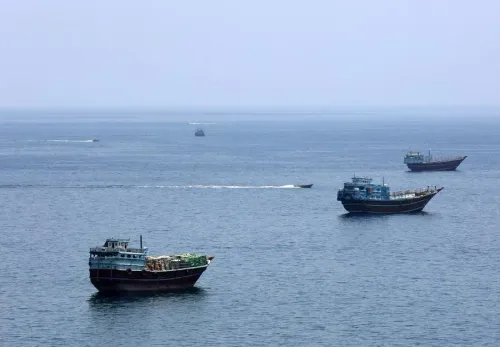
In a parallel development, Iran and Oman have reportedly agreed on revised entry and exit routes through the Strait of Hormuz, one of the world's most strategically vital waterways. Iranian officials said on Saturday that both countries plan to brief Gulf nations on the outcome of their consultations at a regional meeting in Muscat on Monday.
According to a source close to Iran's negotiating team, cited by the semi-official Tasnim news agency, the understanding was reached following 'intensive technical and diplomatic talks between Iran and Oman, which culminated in a final agreement in late August.' Under the new arrangement, the Gulf's entry route 'lies entirely within Iran's territorial waters,' and a portion of the exit route also falls 'within Iranian territorial waters,' the source said.
The source added that the waterway would operate under Iranian arrangements, and that the southern route would be closed once the new system becomes operational. Notably, the source indicated that the United States had reportedly insisted the southern route must remain open — a position that appears to conflict directly with the emerging Iranian-Omani framework.
Why This Matters
The simultaneous diplomatic activity — trilateral calls between Tehran, Ankara, and Baghdad alongside the Iran-Oman Hormuz agreement — signals a coordinated regional push to manage tensions through diplomacy rather than military posturing. This comes amid a broader deterioration in security conditions across West Asia, with multiple flashpoints threatening to draw in external powers.
The Strait of Hormuz alone carries an estimated 20% of global oil trade, making any new arrangements over its navigation routes a matter of international economic consequence. A unilateral redrawing of entry and exit corridors by Iran — even if agreed with Oman — is likely to draw sharp responses from the United States and its Gulf allies, who have historically contested Iranian influence over the waterway.
What Comes Next
The Muscat regional meeting on Monday will be a critical test of how Gulf nations receive the Iran-Oman Hormuz framework. Meanwhile, the diplomatic momentum between Tehran, Ankara, and Baghdad suggests that regional actors are increasingly seeking locally-brokered solutions ahead of any potential external intervention. How quickly these consultations translate into concrete stabilisation measures remains to be seen.
Point of View
Ankara, and Baghdad are less a sign of unity and more a symptom of collective anxiety — three regional powers with divergent interests finding common ground only in their shared fear of a wider war. More consequential is the Hormuz deal with Oman: by placing the entry corridor entirely within Iranian territorial waters and threatening to shut the southern route, Tehran is asserting sovereign control over a chokepoint that the US Navy has long treated as an international commons. Washington's reported insistence on keeping the southern route open suggests this is not a settled matter. If the Muscat briefing hardens Gulf opposition to the Iranian framework, the diplomatic window that these phone calls are trying to hold open could close faster than any of the three ministers anticipates.
NationPress
13 Sept 2026
Frequently Asked Questions
Why did Iran, Iraq, and Turkey hold urgent calls on 13 September 2025?
The three countries held separate high-level phone calls to address the escalating security situation in West Asia, stressing the need to prevent further conflict expansion. Iranian Foreign Minister Araghchi spoke individually with his Turkish and Iraqi counterparts to coordinate diplomatic efforts and call for responsible regional approaches.
What is the new Iran-Oman agreement on the Strait of Hormuz?
Iran and Oman reportedly agreed in late August 2025 on revised entry and exit navigation routes through the Strait of Hormuz, with the entry route lying entirely within Iranian territorial waters and part of the exit route also inside Iranian waters. The southern route is expected to be closed once the new system is operational.
Why is the Strait of Hormuz agreement significant?
The Strait of Hormuz carries roughly 20% of global oil trade, making any change to its navigation routes a matter of major international economic and strategic concern. Iran's move to place key corridors within its territorial waters effectively asserts greater sovereign control, which is likely to face resistance from the United States and Gulf allies.
What will happen at the Muscat meeting on Monday?
Iran and Oman plan to brief Gulf countries on the details of their Hormuz navigation agreement at a regional meeting in Muscat on Monday. The outcome will signal how receptive Gulf nations are to the new framework and whether a broader regional consensus is achievable.
What is the US position on the Strait of Hormuz arrangement?
According to a source cited by the semi-official Tasnim news agency, the United States had insisted that the southern Hormuz route must remain open. This directly conflicts with the Iran-Oman framework, under which the southern route would be closed once the new navigation system becomes operational.