Cabinet Clears ₹10,000 Cr Container Manufacturing Scheme
Synopsis
India's Cabinet approved the Container Manufacturing Promotion Scheme with a ₹10,000 crore outlay to expand domestic container production, reduce import dependence, and strengthen logistics supply chains — extending the PLI and Make in India playbook to a foundational trade infrastructure sector.
Key Takeaways
The Cabinet, chaired by PM Narendra Modi , approved the Container Manufacturing Promotion Scheme (CMPS) on 28 October 2026 .
The scheme carries a total outlay of ₹10,000 crore to incentivise domestic container production.
Core objectives are expanding local manufacturing capacity, reducing import dependence, and strengthening supply chains.
The CMPS continues the policy arc of Make in India (2014) and PLI schemes (from 2020) targeting import substitution in strategic goods.
Key beneficiaries include domestic container manufacturers and India's logistics and shipping industry.
Detailed guidelines, eligibility criteria, and disbursement timelines are expected in subsequent government notifications.
India's Cabinet has greenlit a bold bet on domestic industrial capacity: the Container Manufacturing Promotion Scheme (CMPS), backed by a ₹10,000 crore outlay, to build a home-grown container production base, cut import dependence, and fortify the country's logistics supply chains. The decision, chaired by Prime Minister Narendra Modi, was announced on Wednesday, 28 October 2026 by Union Science and Technology Minister Dr. Jitendra Singh.
Why India needs its own container industry — now
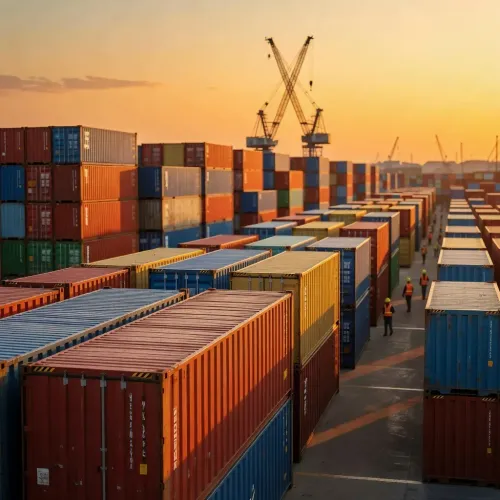
The global container crunch of 2020–21 was a wake-up call that supply chains built on imported equipment are fragile. India, one of the world's fastest-growing trade economies, remains overwhelmingly dependent on foreign-manufactured shipping containers — a structural vulnerability that inflates logistics costs and leaves exporters at the mercy of overseas production cycles. The CMPS is designed to fix exactly that.
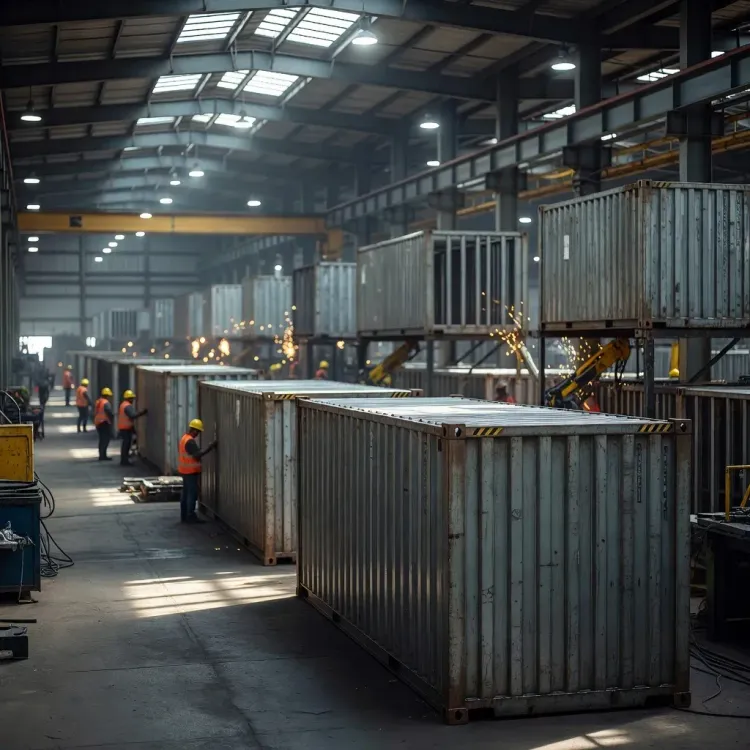
By directing ₹10,000 crore of targeted fiscal support toward domestic container makers, the government aims to seed a manufacturing ecosystem that did not meaningfully exist before. Cheaper, locally-produced containers would reduce turn-around costs for Indian exporters and make the country's ports more competitive on global shipping routes.
CMPS in the arc of Make in India and PLI
The scheme slots neatly into a decade-long policy playbook. Make in India, launched in September 2014, set the ideological foundation: manufacture at home what you currently import. The Production Linked Incentive (PLI) schemes, rolled out from 2020 across sectors from semiconductors to white goods, gave that goal teeth with performance-linked cash. The CMPS follows the same logic — fiscal incentive tied to output — but targets an intermediate industrial good that sits at the nerve centre of global trade.
Containers are not glamorous, but they are foundational. Every export shipment, every import consignment, every port throughput number depends on their availability and price. A domestic manufacturing base changes India's negotiating position in global logistics — permanently.
What domestic manufacturers and logistics players stand to gain
For Indian manufacturers eyeing the container segment, the scheme signals government-backed demand certainty — the single biggest barrier to entering a capital-intensive sector. For the logistics and shipping industry, a local supply of containers means reduced lead times and insulation from the kind of price spikes that paralysed trade lanes in 2021. The downstream beneficiaries stretch from small exporters in Ludhiana textile clusters to major port operators at Jawaharlal Nehru Port and Mundra.
Disbursement rules and timelines still to come
The Cabinet approval is the starting gun, not the finish line. Detailed implementation guidelines — beneficiary eligibility, disbursement milestones, and monitoring mechanisms — are expected to follow in subsequent ministry notifications. Investors and manufacturers will watch those fine-print decisions closely; the credibility of the CMPS will ultimately rest on whether the rollout machine keeps pace with the headline ambition.
India has a habit of announcing big schemes and stumbling on execution. The container sector will be watching whether this ₹10,000 crore commitment moves from Cabinet resolution to factory floor.
Point of View
Attach fiscal firepower to domestic capacity-building, and embed it within the Make in India brand architecture. What makes this move strategically notable is the choice of containers — an unglamorous but load-bearing piece of global trade infrastructure that India has long sourced almost entirely from overseas. The ₹10,000 crore commitment signals that the government views logistics hardware as strategic, not just commercial. The real test, as with every PLI-style scheme, will be whether implementation velocity matches announcement ambition — a question India's industrial policy record makes entirely legitimate to ask.
NationPress
28 Oct 2026
Frequently Asked Questions
What is the Container Manufacturing Promotion Scheme (CMPS)?
The CMPS is a Cabinet-approved scheme with a ₹10,000 crore outlay designed to promote domestic production of shipping containers in India, reduce the country's dependence on imports, and strengthen logistics supply chains.
Who approved the Container Manufacturing Promotion Scheme?
The scheme was approved by the Union Cabinet chaired by Prime Minister Narendra Modi on 28 October 2026 .
How much money has the government allocated for the CMPS?
The government has allocated ₹10,000 crore as the total outlay for the Container Manufacturing Promotion Scheme.
How does CMPS relate to Make in India and PLI schemes?
The CMPS follows the same import-substitution logic as the Make in India initiative launched in 2014 and the PLI schemes introduced from 2020, applying targeted fiscal incentives to build domestic manufacturing capacity in a strategic sector.
When will the CMPS implementation guidelines be released?
The Cabinet approved the scheme's broad framework; detailed guidelines covering beneficiary eligibility, disbursement milestones, and timelines are expected in subsequent notifications from the relevant ministries.