Gadkari: Cabinet Clears ₹10,000 Cr Container Manufacturing Scheme
Synopsis
The Union Cabinet has approved the Container Manufacturing Promotion Scheme with a ₹10,000 crore outlay through FY 2039–40, targeting a tenfold rise in domestic container capacity to 7.5 lakh TEUs, over 50,000 indirect jobs, and reduced import dependence in maritime logistics.
Key Takeaways
₹10,000 crore budgetary outlay approved for the Container Manufacturing Promotion Scheme (CMPS), valid through FY 2039–40 .
Annual domestic container manufacturing capacity targeted to rise nearly tenfold to 7.5 lakh TEUs .
Support mechanisms include interest subvention , operational expenditure assistance , and testing and certification support .
Scheme covers both new manufacturing facilities and expansion of existing units .
Expected to create 3,000 direct and over 50,000 indirect jobs .
Scheme was first announced in the Union Budget 2026–27 ; Wednesday's Cabinet approval is the formal green light for rollout.
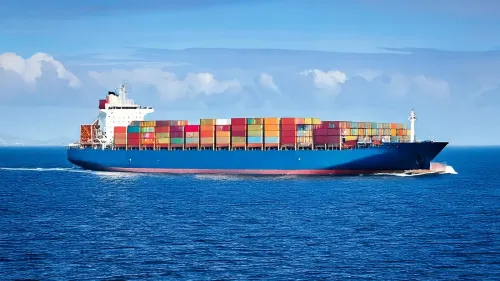
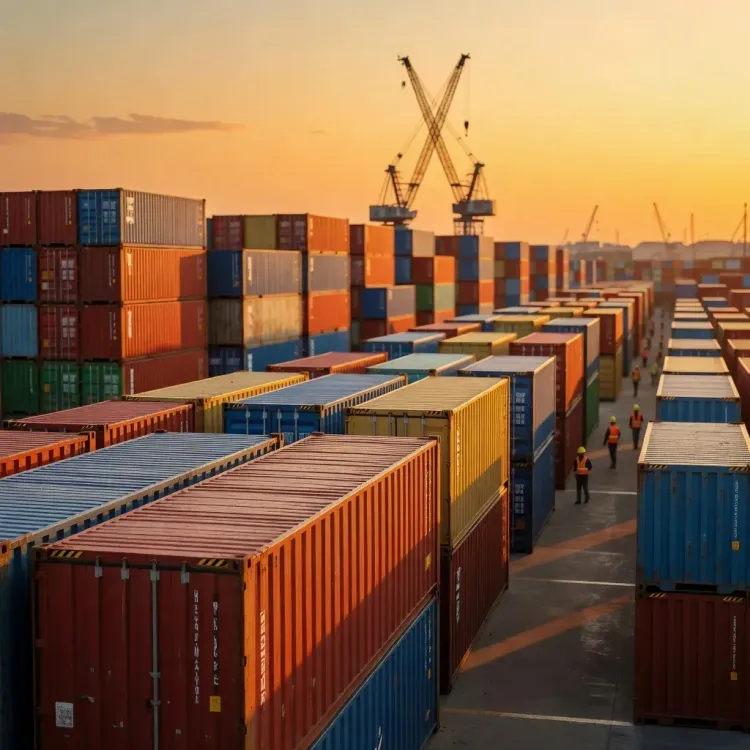
India has been importing the steel boxes that move its trade for decades. That changes now. Union Road Transport and Highways Minister Nitin Gadkari announced on Wednesday, October 28, 2026, that the Union Cabinet, chaired by Prime Minister Narendra Modi, has approved the Container Manufacturing Promotion Scheme (CMPS) — a ₹10,000 crore initiative designed to end India's dependence on imported containers and turn the country into a global supplier.
From near-zero to 7.5 lakh TEUs: the scale of the ambition
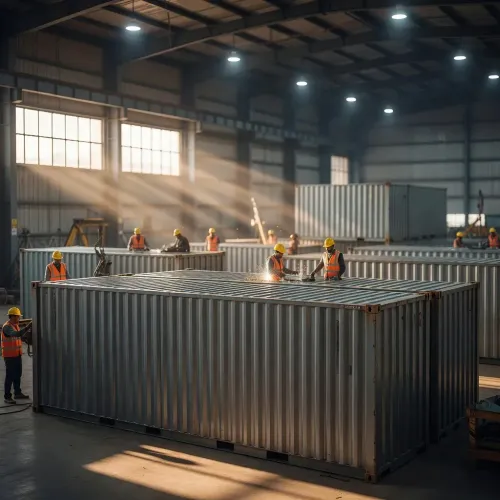
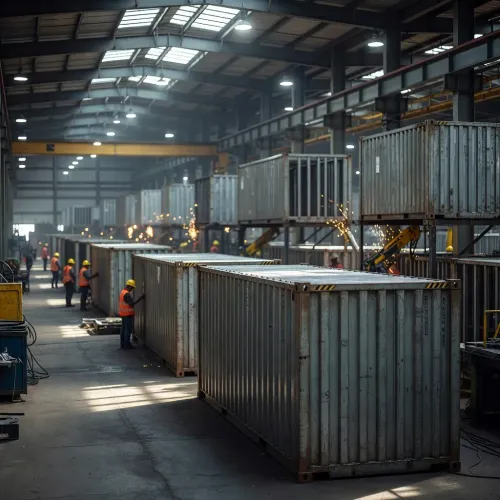
The numbers frame just how large this bet is. India's annual domestic container manufacturing capacity is currently a fraction of its demand — the CMPS targets a nearly tenfold increase, pushing output to 7.5 lakh TEUs (twenty-foot equivalent units) per year. The scheme runs through FY 2039–40, giving manufacturers a long enough horizon to justify major capital commitments. Support will flow through three channels: interest subvention on borrowings, operational expenditure assistance, and funding for testing and certification infrastructure — the last of which has historically been a quiet bottleneck for Indian manufacturers trying to meet global shipping standards.
The scheme covers both new manufacturing facilities and the expansion of existing units, a dual-track design that allows incumbents to scale while welcoming fresh entrants into a sector that has seen almost no domestic investment at meaningful scale.
Why containers became a strategic blind spot
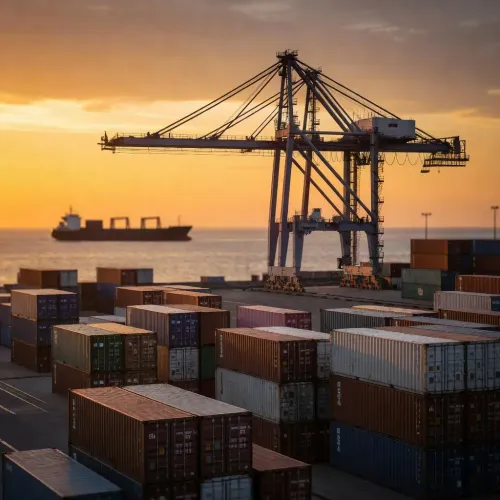
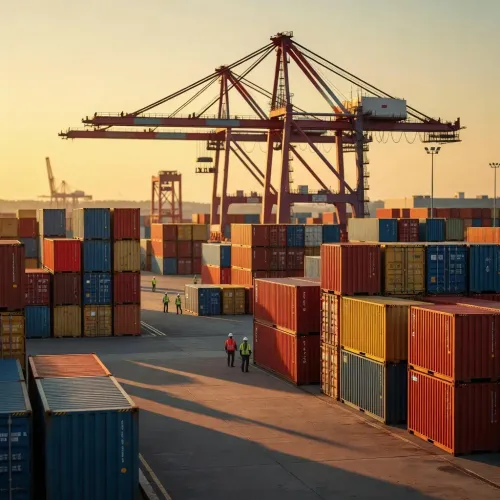
For most of global trade history, the container — standardised, intermodal, unremarkable — has been dominated by manufacturers in China, which controls an estimated majority of global container production. India's logistics sector, despite handling vast volumes at ports such as Jawaharlal Nehru Port and Mundra, has remained almost entirely dependent on imported boxes. That dependency became acutely visible during global supply-chain disruptions in recent years, when container shortages cascaded into shipping delays and export losses for Indian producers. The CMPS is, in that light, as much a supply-chain resilience play as it is an industrial policy move.
The Cabinet decision also fits squarely within the Make in India framework launched in 2014, which has progressively expanded from electronics and defence into logistics infrastructure components. Containers — unglamorous but foundational — are a logical next frontier.
Jobs, exports, and the maritime supply chain payoff
The scheme is projected to generate 3,000 direct jobs and more than 50,000 indirect jobs — figures that span steel fabrication, quality testing, port logistics, and ancillary manufacturing. Beyond employment, a domestically robust container industry rewires India's position in maritime trade: Indian exporters gain faster, cheaper access to boxes, shipping firms operating from Indian ports reduce turnaround costs, and India gains a new export product in a market currently worth tens of billions of dollars globally.
The initiative was first signalled in the Union Budget 2026–27, making Wednesday's Cabinet approval the formal legislative green light that transforms a budget line into an operational programme. Rollout of the interest subvention mechanism and the certification support infrastructure will now be the ones to watch.
India has spent years building ports and highways. Now it is building the containers that fill them. The next milestone is whether the capacity target of 7.5 lakh TEUs becomes a delivery story or a policy aspiration — and the clock starts today.
Point of View
The government addresses both the capital cost and standards-compliance barriers that have kept Indian container manufacturing subscale. The fourteen-year funding horizon signals a rare willingness to play a long industrial game rather than seek quick optics. The real test of the scheme's ambition will be whether the 7.5 lakh TEU target translates into export-grade production, or whether domestic demand absorption becomes the ceiling.
NationPress
28 Oct 2026
Frequently Asked Questions
What is the Container Manufacturing Promotion Scheme (CMPS)?
The CMPS is a central government scheme approved by the Union Cabinet with a ₹10,000 crore outlay through FY 2039–40, aimed at scaling India's domestic container manufacturing capacity nearly tenfold to 7.5 lakh TEUs annually, reducing import dependence, and positioning India as a global container export hub.
How much money has the government allocated for the CMPS?
The government has allocated a budgetary outlay of ₹10,000 crore for the scheme, covering the period up to FY 2039–40.
What support will manufacturers receive under the CMPS?
Manufacturers will receive interest subvention on loans, operational expenditure assistance, and support for testing and certification — covering both new facilities and expansion of existing units.
How many jobs will the container manufacturing scheme create?
The CMPS is projected to generate 3,000 direct jobs and over 50,000 indirect jobs across manufacturing, testing, port logistics, and ancillary sectors.
When was the CMPS first announced and who approved it?
The scheme was first announced in the Union Budget 2026–27 and was formally approved by the Union Cabinet, chaired by Prime Minister Narendra Modi, on October 28, 2026.