Cabinet Clears ₹19,252 Crore Package: Containers to Villages

Synopsis
The Union Cabinet approved four initiatives worth over ₹19,252 crore: a Container Manufacturing Promotion Scheme, Khelo India Sports Goods Manufacturing Scheme, Pradhan Mantri Viksit Gram Swaraj Yojana, and a 3% DA hike for central government employees effective July 2026.
Key Takeaways
Container Manufacturing Promotion Scheme gets a ₹10,000 crore outlay up to FY 2039-40 to build domestic capacity and cut import dependence.
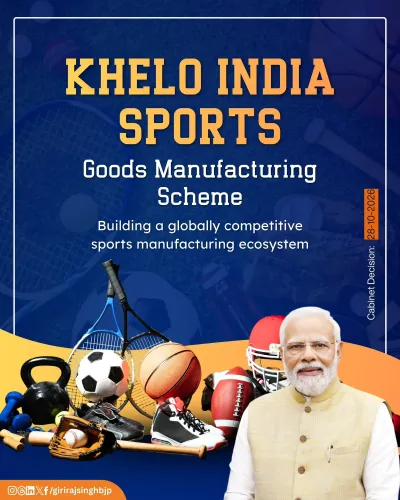
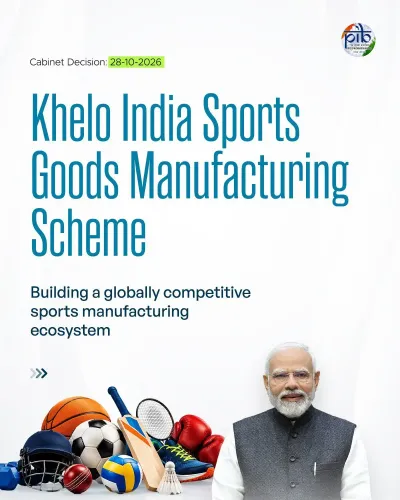
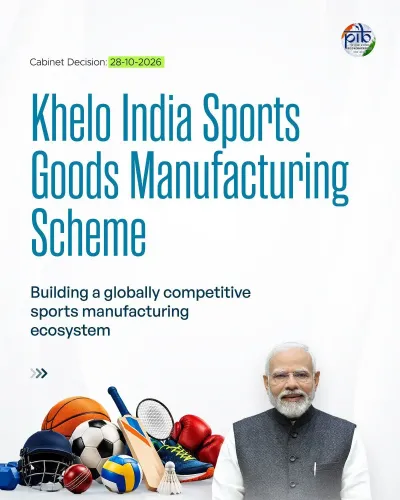
Khelo India Sports Goods Manufacturing Scheme allocated ₹1,856.67 crore for 2026 to 2033-34 to boost domestic production and exports.
Pradhan Mantri Viksit Gram Swaraj Yojana outlay of ₹7,395.55 crore from 2026-27 to 2030-31 to strengthen Panchayati Raj institutions.
Central government employees and pensioners get a 3% DA/DR hike , raising the rate from 60% to 63% , effective 1 July 2026 .
All four approvals align with the government's Atmanirbhar Bharat and Viksit Bharat 2047 policy frameworks.
Four decisions, one cabinet meeting, and a combined outlay crossing ₹19,252 crore — the Union Cabinet chaired by Prime Minister Narendra Modi on Wednesday, 28 October 2026 approved a wide-ranging package spanning container manufacturing, sports goods, rural governance, and relief for government employees. Union Power and Housing & Urban Affairs Minister Manohar Lal Khattar shared the full details on X, calling them 'key initiatives to strengthen India's manufacturing capabilities, deepen self-reliance, modernise rural governance, and ensure the welfare of citizens.'
A ₹10,000 Crore Bet on Container Manufacturing
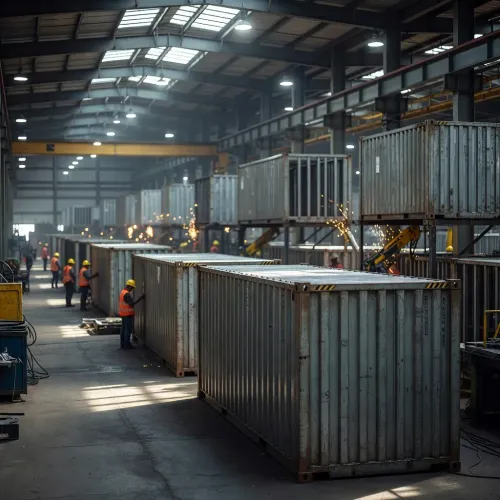
The headline industrial announcement is the Container Manufacturing Promotion Scheme, backed by a budgetary outlay of ₹10,000 crore stretching to FY 2039-40. The ambition is direct: build a globally competitive container manufacturing ecosystem on Indian soil, reduce dependence on imports, and shore up supply-chain resilience. The logic has sharp strategic resonance — global shipping disruptions over recent years exposed how heavily trade-dependent economies suffer when container supply tightens. India, the world's fifth-largest economy, has long imported the metal boxes that carry its exports. This scheme aims to flip that equation.
The push fits squarely within the Atmanirbhar Bharat framework launched in 2014 under the Make in India initiative, which has steadily expanded from smartphones and semiconductors into heavier industrial categories. Containers are not glamorous, but they are foundational — every factory output, every port shipment, every export record depends on them.
Khelo India Extends Its Reach to Sports Goods
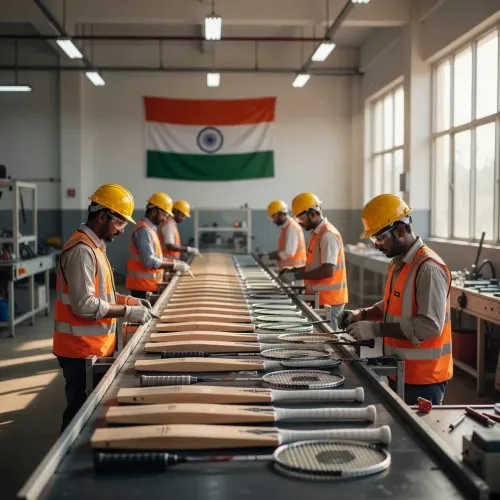
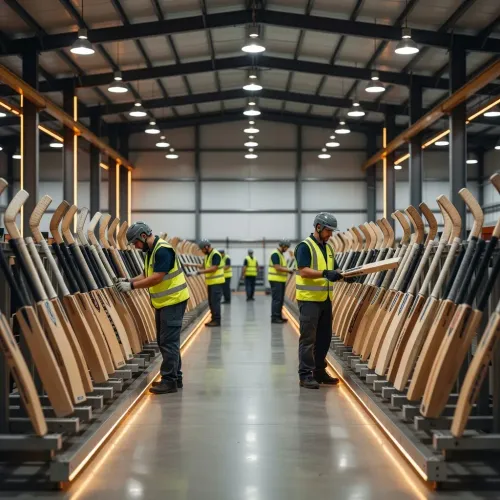
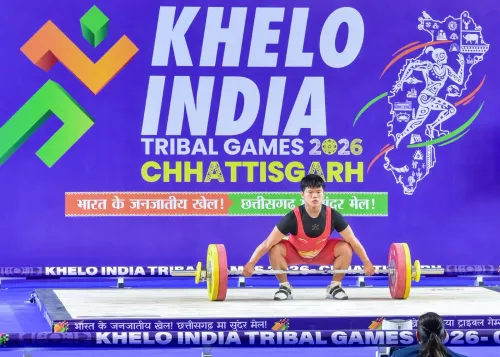
The second manufacturing play is more surprising in its specificity. The Khelo India Sports Goods Manufacturing Scheme — outlay of ₹1,856.67 crore across 2026 to 2033-34 — targets investment, innovation, domestic production, and exports in the sports goods sector. The Khelo India programme, first launched in 2017, built its reputation on grassroots athlete development. This extension turns the brand toward the industrial side of the sports economy. India already has an established sports goods manufacturing cluster in Jalandhar, Punjab; the scheme is expected to give that ecosystem — and potential new clusters — a structured policy boost and export push.
Pradhan Mantri Viksit Gram Swaraj Yojana: Rewiring the Village
The governance announcement with the longest reach is the Pradhan Mantri Viksit Gram Swaraj Yojana, to run from 2026-27 to 2030-31 at an outlay of ₹7,395.55 crore. Described as a 'next-generation governance initiative,' it is designed to strengthen grassroots Panchayati Raj institutions and deepen rural governance. The lineage traces back to the Rashtriya Gram Swaraj Abhiyan, rolled out in 2018, but the new scheme is explicitly framed under the government's Viksit Bharat vision — the roadmap to making India a developed nation by 2047. Empowering local bodies with better planning, accountability, and delivery infrastructure is the connective tissue between national ambitions and village-level reality.
3% DA Hike for Central Government Employees, Effective July 2026
The welfare measure with the most immediate personal impact is the approval of an additional 3% Dearness Allowance (DA) for central government employees and Dearness Relief (DR) for pensioners, effective 1 July 2026. The hike raises DA/DR from 60% to 63% of basic pay or pension. DA revisions follow a periodic cycle tied to inflation indices — a practice institutionalised since the 6th Pay Commission. With inflation pressures on household budgets persisting, the revision provides direct relief to millions of central government staff and retirees nationwide.
Taken together, the four approvals follow a pattern visible across multiple recent cabinet cycles: bundling industrial-policy moves with welfare measures that have immediate visibility among a large salaried constituency. The political economy of such packages is not subtle — but neither is the genuine policy intent behind each component.
With scheme rollouts beginning as early as the next financial year, the pressure now shifts to implementation: budget line-items, state-level coordination, and on-ground execution will determine whether today's cabinet room commitments translate into factory floors, village councils, and pay slips.
Point of View
Sports goods — with a welfare measure that has direct pay-packet visibility for a large organised constituency. The Viksit Gram Swaraj Yojana is the most structurally ambitious piece, since effective rural governance delivery has historically been the weak link in translating central outlays into ground-level outcomes. The container manufacturing scheme, if implemented at scale, addresses a genuine strategic gap that India's trade ambitions cannot afford to ignore. Taken together, the package advances the Atmanirbhar Bharat arc while keeping the political economy of announcement cycles firmly intact.
NationPress
28 Oct 2026
Frequently Asked Questions
What is the Container Manufacturing Promotion Scheme approved by the Union Cabinet?
The Container Manufacturing Promotion Scheme is a government initiative with a ₹10,000 crore outlay up to FY 2039-40 , aimed at building a globally competitive container manufacturing ecosystem in India, reducing import dependence, and strengthening supply-chain resilience.
What is the Khelo India Sports Goods Manufacturing Scheme?
It is a new scheme under the Khelo India umbrella with an outlay of ₹1,856.67 crore for 2026 to 2033-34 , focused on driving investment, domestic manufacturing, innovation, and exports in the sports goods sector.
What is Pradhan Mantri Viksit Gram Swaraj Yojana?
The Pradhan Mantri Viksit Gram Swaraj Yojana is a rural governance scheme with an outlay of ₹7,395.55 crore to run from 2026-27 to 2030-31 , designed to strengthen Panchayati Raj institutions in alignment with the Viksit Bharat 2047 vision.
How much DA hike did central government employees get in October 2026?
The Union Cabinet approved an additional 3% Dearness Allowance , raising the rate from 60% to 63% of basic pay, effective 1 July 2026 , for central government employees and pensioners.
Who announced the Union Cabinet decisions on 28 October 2026?
Union Power and Housing & Urban Affairs Minister Manohar Lal Khattar shared the cabinet approvals on X, noting they were taken under the chairmanship of Prime Minister Narendra Modi .