Bihar CM Samrat Choudhary seeks special Chhath Puja trains, Vande Bharat link to Ayodhya
Synopsis
Bihar CM Samrat Choudhary's Delhi visit is a study in multi-tasking: he secured a river-silt MoU for highways, pushed for 10,000-plus Chhath Puja trains, proposed a spiritually significant Vande Bharat route linking Sita's birthplace to Ram's, and is set to review a below-par BJP showing in the Bihar Legislative Council polls — all in under 48 hours.
Key Takeaways
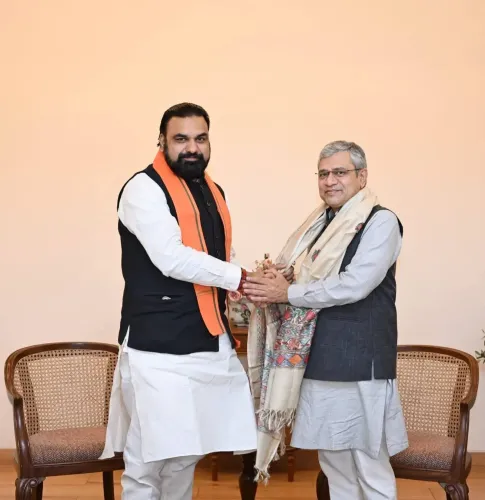
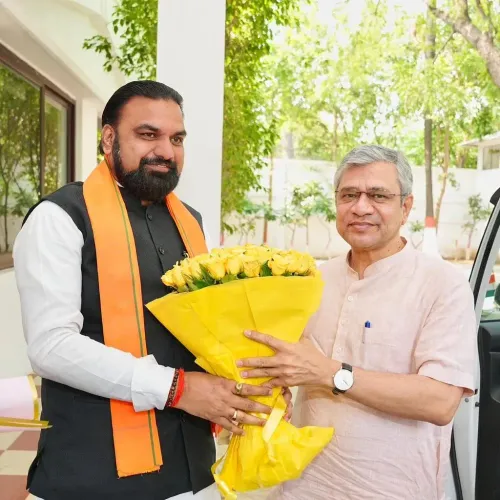
Bihar CM Samrat Choudhary met Railways Minister Ashwini Vaishnaw in New Delhi on 3 November 2026 to request Chhath Puja special trains.
Choudhary cited last year's deployment of more than 10,000 trains as the benchmark for this season's request.
He also requested a Vande Bharat service linking Sitamarhi (Bihar) to Ayodhya (Uttar Pradesh), connecting two sites of major Hindu religious significance.
An MoU was signed between the Centre and Bihar on using river silt for national highway projects, with CM Choudhary calling it a milestone for Bihar's water and economic challenges.
A meeting with BJP National General Secretary Vinod Tawde is pending to discuss party organisation and the BJP's 50% strike rate in the Bihar Legislative Council elections.
Bihar Chief Minister Samrat Choudhary met Union Railways Minister Ashwini Vaishnaw in New Delhi on Tuesday, 3 November 2026, requesting the operation of special trains ahead of the Chhath Puja festival to facilitate the large seasonal migration of Bihari residents back to their home state. The meeting is one of several high-level engagements during Choudhary's ongoing Delhi visit, which carries both administrative and political significance.
Special Trains and the Chhath Rush
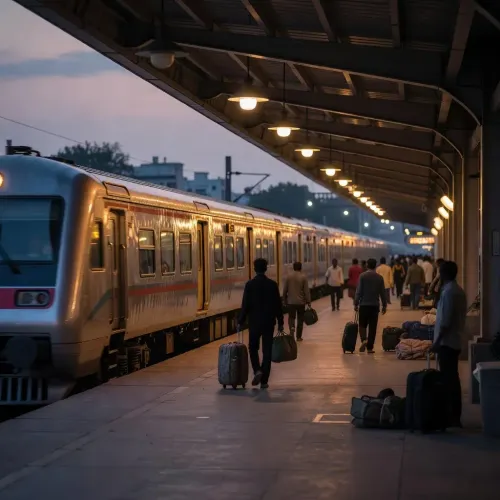
Speaking to reporters after the meeting, CM Choudhary said: 'I came to request Railway Minister Ashwini ji to run special trains as a large number of people from Bihar return to the state to celebrate Diwali and Chhath.' He pointed to last year's precedent, noting that more than 10,000 trains were operated during the festival season, and requested a similar or greater deployment this time. Chhath Puja draws millions of Bihari workers and diaspora from cities such as Mumbai, Delhi, and Kolkata back to Bihar every year, placing acute pressure on the railway network.
Proposed Vande Bharat Link: Sitamarhi to Ayodhya
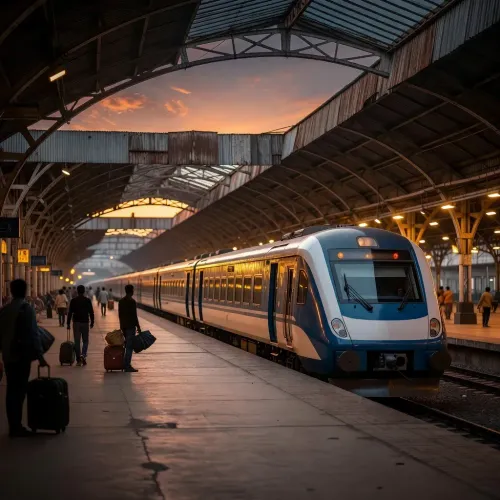
CM Choudhary also requested the launch of a Vande Bharat train service connecting Sitamarhi in Bihar to Ayodhya in Uttar Pradesh. The proposed route carries cultural and religious weight: according to Hindu belief, Sitamarhi is linked to the origins of Goddess Sita, while Ayodhya is revered as the birthplace of Lord Ram. A direct rail link would serve both pilgrims and the growing religious tourism corridor between the two sites.
River Silt MoU and Bihar's Development Agenda
Earlier on Tuesday, Choudhary attended a memorandum of understanding (MoU) signing ceremony between the Centre and Bihar on the utilisation of river silt for national highway construction. Addressing the gathering, he said: 'Bihar has only two weaknesses, one is population and the other is water. Today, under the leadership of Union Minister Nitin Gadkari, I am grateful for such a big agreement. Now the second biggest challenge for Bihar is water management. I assure you that after this river Sanjeevani agreement, Bihar will be economically strong.' The MoU is seen as a practical step toward leveraging Bihar's extensive riverine geography for infrastructure development.
Political Meetings: BJP Organisation in Focus
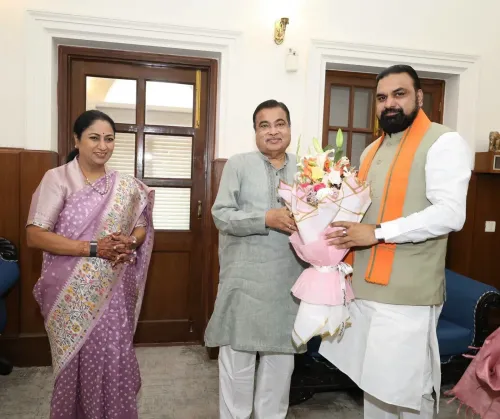
On Monday, Choudhary held separate meetings with Defence Minister Rajnath Singh, Union Road Transport and Highways Minister Nitin Gadkari, and former Union Education Minister Dharmendra Pradhan. A meeting with Bharatiya Janata Party (BJP) National General Secretary Vinod Tawde is also on the agenda, though its timing has not been confirmed. The two leaders are expected to discuss the BJP's organisational structure in Bihar, with a focus on strengthening grassroots cadre. Their talks may also review the recently concluded Bihar Legislative Council elections, in which the BJP contested four seats, winning two — a 50 per cent strike rate that reportedly leaves room for introspection within the party hierarchy.
Significance of the Delhi Visit
Choudhary's multi-day engagement in Delhi spans railway logistics, infrastructure agreements, and internal party matters — a breadth that analysts say reflects the dual pressures a chief minister in a coalition arrangement faces: delivering on governance while managing political organisation. Bihar's next assembly election remains a medium-term horizon, making cadre consolidation a pressing priority for the BJP in the state. With Chhath Puja approaching, the outcome of the railway request will be closely watched by millions of Bihari families across the country.
Point of View
Highway MoUs, defence, and party organisation in under two days — is calibrated politics as much as governance. The Chhath train request is low-risk and high-visibility for a CM whose base depends on the migrant Bihari diaspora feeling heard. More telling is the BJP legislative council performance: two of four seats is not a collapse, but it is not the dominance a ruling party seeks ahead of an assembly cycle. The Tawde meeting, whenever it happens, is where the real Bihar story will emerge.
NationPress
3 Nov 2026
Frequently Asked Questions
Why did Bihar CM Samrat Choudhary meet Railways Minister Ashwini Vaishnaw?
CM Choudhary met Vaishnaw on 3 November 2026 to request the operation of special trains during the Chhath Puja festival season, when large numbers of Bihari residents travel home from cities across India. He cited the precedent of more than 10,000 trains operated last year.
What is the proposed Vande Bharat route from Sitamarhi to Ayodhya?
CM Choudhary requested a Vande Bharat train service connecting Sitamarhi in Bihar to Ayodhya in Uttar Pradesh. The route is significant because Sitamarhi is associated with the birthplace of Goddess Sita and Ayodhya is revered as the birthplace of Lord Ram in Hindu tradition.
What was the river silt MoU signed between the Centre and Bihar?
The MoU covers the utilisation of river silt extracted from Bihar's rivers for national highway construction projects, under Union Minister Nitin Gadkari's initiative. CM Choudhary called it a 'river Sanjeevani agreement' and said it would help Bihar address its water management challenges while boosting infrastructure.
What is the political significance of Choudhary's Delhi visit?
Beyond administrative meetings, Choudhary is expected to meet BJP National General Secretary Vinod Tawde to discuss the party's organisational structure in Bihar and review the recent Bihar Legislative Council election results, in which the BJP won two of the four seats it contested. The visit is seen as significant for BJP's pre-assembly election groundwork in the state.
How did the BJP perform in the Bihar Legislative Council elections?
The BJP contested four seats in the recently concluded Bihar Legislative Council elections and won two, recording a 50 per cent strike rate. The results and the party's organisational performance are expected to be reviewed during CM Choudhary's meeting with BJP General Secretary Vinod Tawde.