Kejriwal Blames BJP Rule and Defections for Goa's Rising Prices
Synopsis
AAP convenor Arvind Kejriwal accused BJP of linking Goa's inflation to political defections and corruption, framing rising household costs as a direct consequence of over a decade of BJP governance — a sharp early salvo ahead of the 2027 Goa assembly elections.
Key Takeaways
AAP convenor Arvind Kejriwal posted on 3 November 2026 targeting BJP governance in Goa over rising prices.
He blamed 'corruption and political defections' for driving up costs of essentials from bread to petrol.
BJP has governed Goa since 2012 , with Pramod Sawant serving as Chief Minister since 2019 .
Post-poll defections in 2017 helped BJP retain power and remain a politically sensitive issue in the state.
Goa assembly elections are scheduled for 2027 , making inflation and corruption live electoral issues.
The attack fits AAP's broader strategy of expanding into BJP-ruled states by anchoring campaigns on household economics.
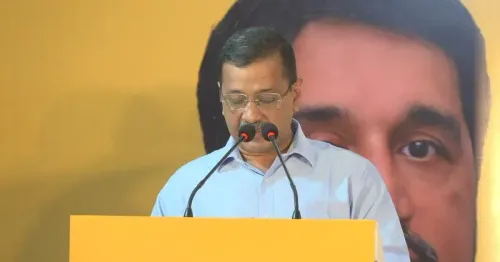
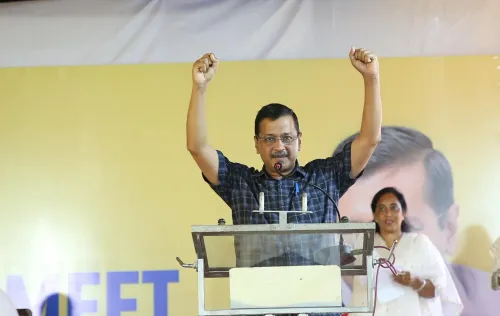
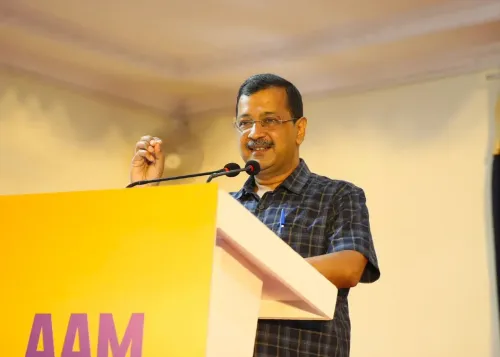
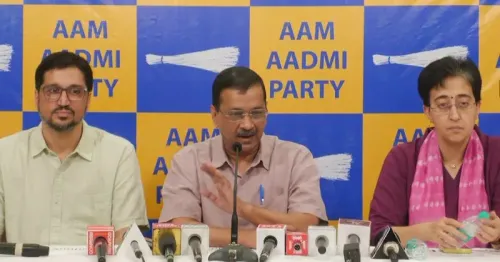
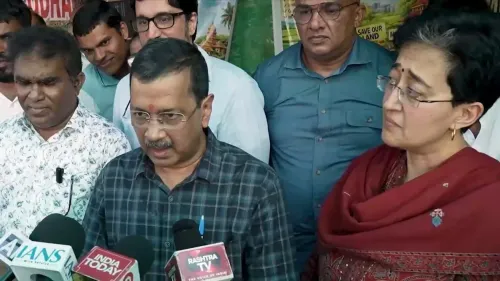
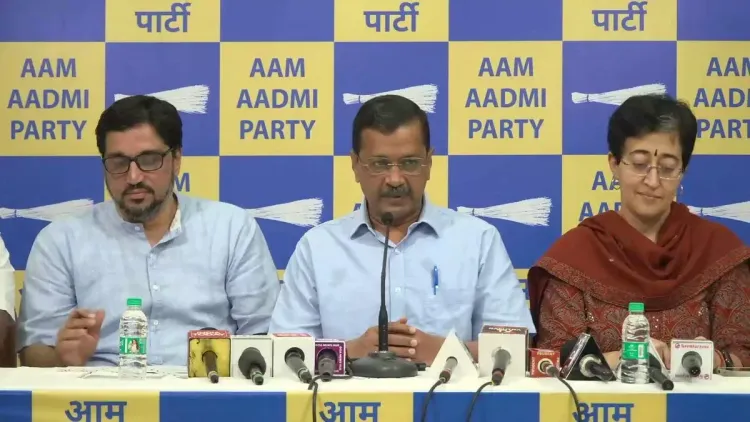
From bread to petrol, AAP convenor Arvind Kejriwal says everyday life in Goa has quietly grown unaffordable — and he is placing the blame squarely on BJP governance and the political defections that have propped it up. On Tuesday, 3 November 2026, Kejriwal posted a pointed attack on the ruling dispensation, tying the state's cost-of-living squeeze to what he described as entrenched corruption.
'Their corruption has become your burden,' he wrote. 'Corruption and political defections are behind soaring inflation in Goa. From pao to petrol, the most basic necessities have become costlier. During 15 years of BJP rule in Goa, household expenses have skyrocketed, while incomes remain completely frozen.'
BJP's Long Run in Goa — and the Defection Factor
BJP first came to power in Goa in 2012 under the late Manohar Parrikar, then returned after the 2017 assembly elections through post-poll realignments that drew significant controversy. Pramod Sawant has led the government since 2019. Recurring defections that shifted legislative arithmetic have been a defining feature of Goan politics across both terms, and Kejriwal is now weaving that narrative directly into a cost-of-living argument — linking political instability to economic harm felt at the household level.
The 'pao to petrol' framing is deliberate. Bread and fuel sit at opposite ends of the consumption ladder but both press hardest on lower- and middle-income families. Naming them together makes the inflation argument visceral rather than statistical.
AAP's Goa Strategy and the 2027 Assembly Horizon
This is not Kejriwal's first incursion into Goan politics. AAP has systematically targeted BJP-ruled states on inflation and corruption as the party attempts to grow its footprint beyond Delhi and Punjab. Goa assembly elections are due in 2027, and the cadence of these attacks — pegged to household costs that voters feel daily — suggests the ground campaign is already underway, well before any formal election calendar kicks in.
The 'frozen incomes, rising expenses' formulation is a clean populist frame: it requires no data to resonate and no footnote to land. Whether the BJP government in Goa responds with counter-data or absorbs the attack in silence will say a great deal about how vulnerable it considers itself on the economy heading into an election year.
Goa's voters have shown they can be swayed. As 2027 approaches, the battle for their household anxiety may already be the real campaign.
Point of View
He is building a single villain story that is easy to repeat on the doorstep. The BJP's prolonged incumbency in Goa makes it a natural target for anti-establishment sentiment, and AAP has consistently bet that economic discontent in BJP states is its most portable electoral asset. How the Sawant government responds — or fails to — will help define whether the inflation frame sticks.
NationPress
3 Nov 2026
Frequently Asked Questions
What did Arvind Kejriwal say about Goa's inflation?
Kejriwal said corruption and political defections under BJP rule are directly responsible for rising prices in Goa, claiming that household expenses have skyrocketed while incomes have stayed frozen over what he described as 15 years of BJP governance.
How long has BJP been in power in Goa?
BJP first came to power in Goa in 2012 under Manohar Parrikar and has held the government since, with Pramod Sawant serving as Chief Minister since 2019, making it over a decade of continuous BJP rule.
What role did defections play in BJP's rule in Goa?
After the 2017 Goa assembly elections, post-poll realignments and defections from other parties helped BJP retain power despite not winning an outright majority, a move that drew sustained political criticism.
When are the next Goa assembly elections?
Goa assembly elections are scheduled for 2027, which gives significant context to AAP's current campaign attacks on BJP governance and inflation in the state.
Why is AAP focusing on Goa?
AAP has been expanding its presence beyond Delhi and Punjab by targeting BJP-ruled states on issues of inflation and corruption. Goa, with elections due in 2027, is a key part of that strategy.