Kejriwal in Goa: AAP will repeal Section 39(A) if voted to power
Synopsis
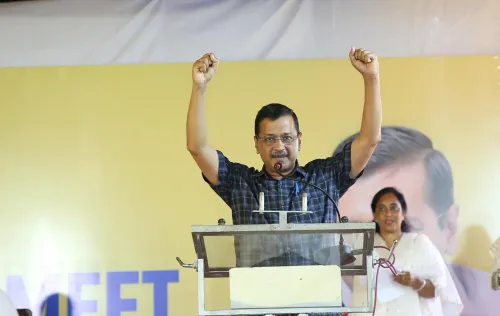
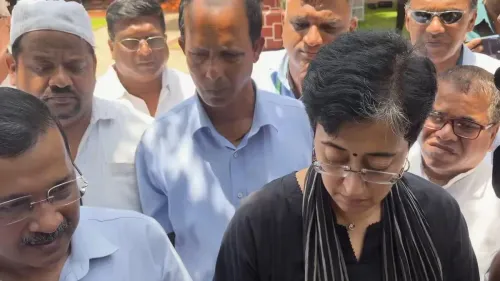
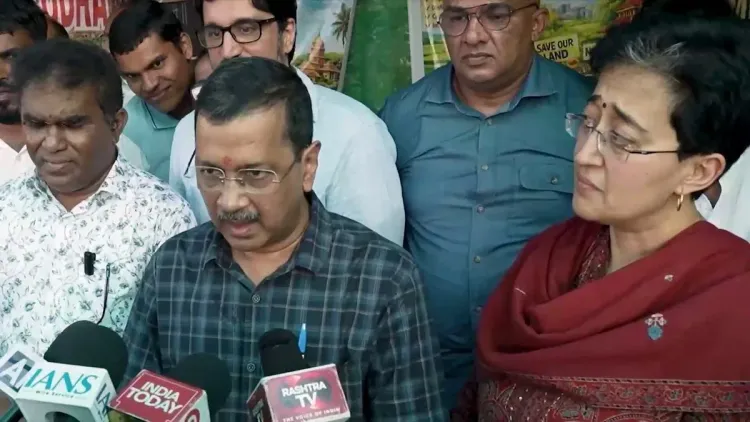
AAP convenor Arvind Kejriwal visited Karapur-Sarvan, Goa, on May 31, 2026, and promised villagers that an AAP government would repeal Section 39(A) and cancel all permissions issued under it, accusing the BJP of serving builders over Goan communities ahead of the 2027 state elections.
Key Takeaways
Arvind Kejriwal visited Karapur-Sarvan, Goa , on May 31, 2026 , meeting villagers over land and ecology grievances.
He pledged that an AAP government would repeal Section 39(A) and revoke all permissions granted under the provision.
Kejriwal accused the Goa BJP government of working for 'builders and colonisers' at the expense of local communities.
AAP first contested Goa assembly elections in 2022 , positioning land rights and governance as core issues.
The next Goa assembly elections are due by 2027 , making this visit an early campaign signal.
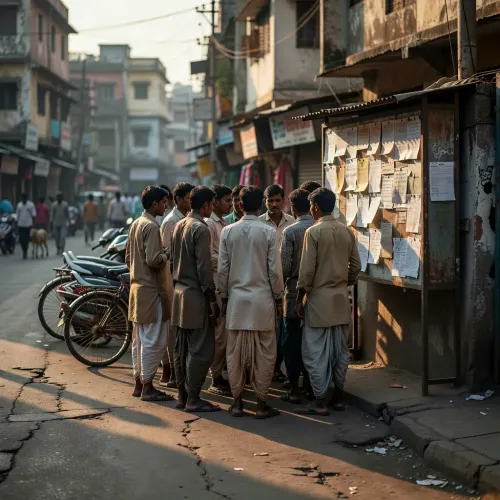
Karapur-Sarvan has been a centre of local protests over land-use permissions and ecological concerns.
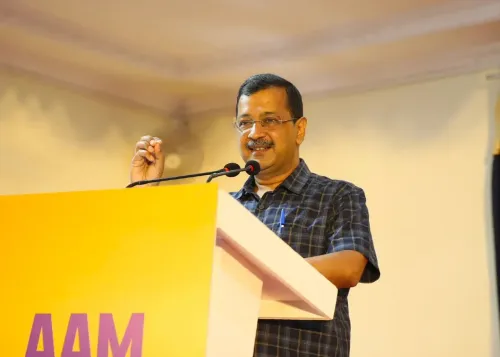
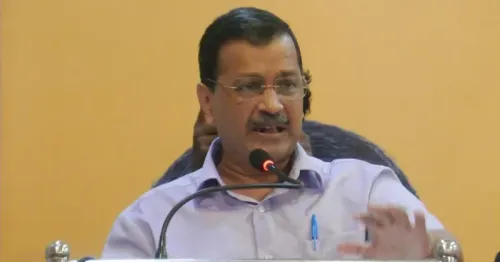
AAP convenor Arvind Kejriwal visited Karapur-Sarvan, Goa, on Sunday, May 31, 2026, and assured local villagers that an Aam Aadmi Party government in the state would repeal Section 39(A) and revoke all permissions granted under it, accusing the BJP government of favouring builders and colonisers over Goan communities.
Context
Addressing residents at Karapur-Sarvan, Kejriwal declared, 'Goa is not for sale,' framing his visit as a direct response to villagers' grievances over land rights, village boundaries, and ecological protection. He alleged that the current Goa BJP government 'works for builders and colonisers, while Goans are left to fight for their land, villages and ecology.'
The visit positions AAP as a champion of community land rights ahead of the next Goa assembly elections, due by 2027. Karapur-Sarvan has been a focal point of local protests over land-related permissions and environmental concerns.
Policy Backdrop
Section 39(A) of Goa's land legislation has been contested by local communities who argue that permissions granted under it have enabled large-scale real-estate and infrastructure projects at the expense of villages and coastal ecology. Kejriwal pledged that an AAP government would not only repeal the provision but also reverse all approvals already issued under it — a commitment that goes further than simply halting future permissions.
AAP first contested the Goa assembly elections in 2022, running on a platform that included sharp criticism of land deals and governance under the BJP. The party's renewed outreach in the state follows a pattern of aligning with local protests over land use, a strategy it has deployed in other non-traditional states as well.
Goa's tourism-driven economy has made land conversion and real-estate development perennial political flashpoints, with coastal communities repeatedly raising concerns about ecological damage and displacement.
Stakeholders and Impact
For Goan villagers and local communities in areas like Karapur-Sarvan, Kejriwal's assurance offers a legislative remedy they have long demanded. A repeal of Section 39(A), if enacted, would directly affect permissions already in the pipeline and potentially unwind approvals that communities allege were granted without adequate consultation.
The Goa BJP government and the real-estate and construction interests aligned with it face a direct political challenge. The BJP has governed Goa since 2017, emphasising infrastructure and economic growth; AAP's framing casts that record as one of ecological neglect and land alienation.
Environmental groups and civil-society organisations active in coastal Goa are likely to watch Kejriwal's commitment closely, as it could amplify pressure on the ruling government to address pending land-use disputes before the election cycle begins in earnest.
What's Next
With Goa assembly elections expected by early 2027, AAP's land-rights pitch is set to become a central plank of its campaign in the state. Any legislative or judicial proceedings on land permissions granted under Section 39(A) will sharpen the debate further.
Kejriwal's visit to Karapur-Sarvan signals that AAP intends to contest the BJP on local, community-specific issues rather than only broad governance themes — a ground-level approach that mirrors its early mobilisation in Delhi and later in Punjab.
Point of View
Where land and ecology have historically been the most emotionally charged issues for coastal communities. By anchoring his promise to a specific legislative action — repealing Section 39(A) and reversing existing permissions — he raises the stakes beyond vague assurances, inviting both scrutiny and enthusiasm. The BJP, which has governed Goa since 2017 on a development-first platform, will need to respond on the specifics rather than on broad economic metrics. This fits AAP's broader national pattern of entering new states through hyper-local grievances, a strategy that paid off in Punjab and that the party is now methodically applying to Goa ahead of 2027.
NationPress
14 Sept 2026
Frequently Asked Questions
What is Section 39(A) in Goa that Kejriwal wants to repeal?
Section 39(A) is a provision in Goa's land legislation under which permissions have been granted for real-estate and development projects; local communities have contested these permissions, arguing they harm villages and coastal ecology. Kejriwal has promised to repeal the section and cancel all approvals issued under it if AAP comes to power.
Why did Kejriwal visit Karapur-Sarvan in Goa?
Kejriwal visited Karapur-Sarvan on May 31, 2026, to meet villagers who have been protesting land-related permissions and ecological concerns in the area, and to assure them of AAP's support for their cause.
What is AAP's position on Goa land rights?
AAP has consistently opposed what it describes as the BJP government's pro-builder land policies in Goa, and has promised to repeal contested land provisions and revoke related permissions if elected to power in the state.
When are the next Goa assembly elections?
The next Goa assembly elections are due by early 2027, making Kejriwal's current outreach an early phase of AAP's campaign in the state.
Has AAP contested Goa elections before?
Yes, AAP contested the Goa assembly elections in 2022, running on a platform that included criticism of land deals and governance under the BJP, though the party did not win a majority in that election.