Kejriwal Questions Inflated Electricity Bills in Goa
Synopsis
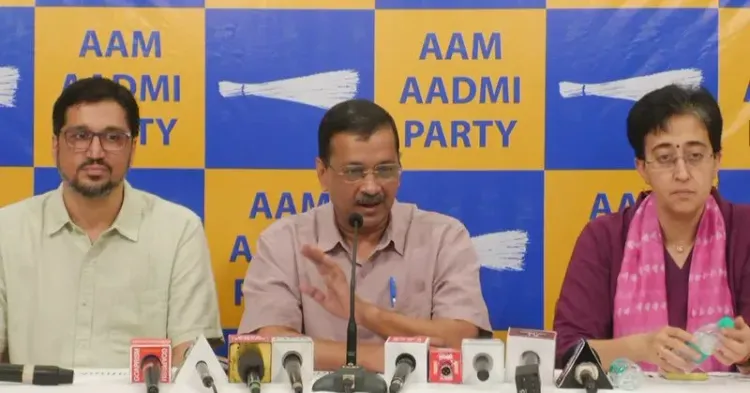
AAP convenor Arvind Kejriwal on 16 June 2026 held a live press conference questioning why Goan consumers are paying inflated electricity bills, continuing the party's pattern of spotlighting utility pricing in BJP-governed states against its own Delhi-Punjab subsidy model.
Key Takeaways
Arvind Kejriwal held a live press conference on 16 June 2026 questioning inflated electricity bills in Goa .
Goa is currently governed by the BJP ; electricity tariff grievances have periodically surfaced in state politics.
AAP 's Delhi government introduced subsidised power in 2015 , later extending free electricity up to 200 units per month by 2022 .
The press conference was broadcast live on X , amplifying the issue to a national audience.
Responses from the Goa government and the Joint Electricity Regulatory Commission are yet to be issued.
The move fits AAP 's established strategy of using state-level utility grievances to build political contrast with BJP -ruled governments.
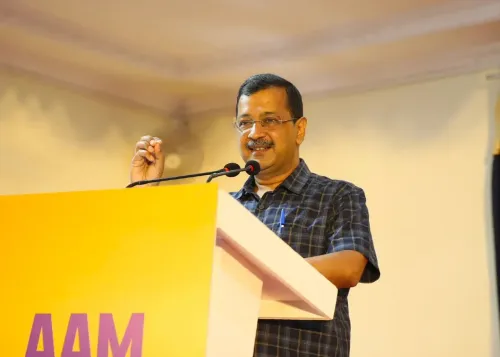
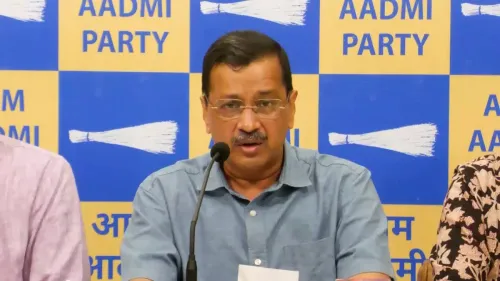
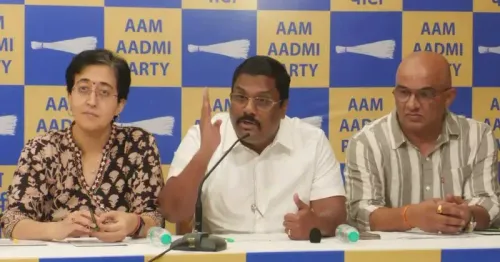
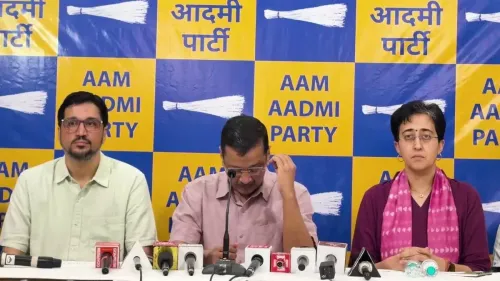
AAP convenor Arvind Kejriwal on Tuesday, 16 June 2026, held a press conference questioning why Goa's consumers are being forced to pay inflated electricity bills, broadcasting the event live on X to amplify the issue nationally.
Context
Kejriwal's post posed a pointed question: 'Why are Goans forced to pay inflated electricity bills?' — framing the issue as one of governance failure rather than regulatory complexity. The live press conference format signals that AAP is treating Goa's power tariff situation as a political priority deserving real-time public scrutiny.
Goa is currently governed by the BJP. Electricity tariffs and supply quality in the state have periodically featured in local political debates, with consumers raising concerns about billing irregularities and rising costs.
Policy Backdrop
AAP has built its national identity substantially around affordable utilities. In 2015, the party's Delhi government introduced subsidised power for domestic consumers, providing the first 400 units at reduced rates. By 2022, the scheme was extended to offer free electricity up to 200 units per month for eligible households.
The party has consistently used electricity pricing in BJP-governed states as a contrast point with its own Delhi–Punjab model of direct subsidies. Electricity remains a state subject, placing tariff decisions in the hands of state governments and their respective electricity regulatory commissions.
Stakeholders and Impact
Goan households and domestic electricity consumers are the central stakeholders in this debate. Rising power bills directly affect monthly household budgets, making the issue politically sensitive ahead of any future electoral cycle in the state.
Electricity discoms, the Joint Electricity Regulatory Commission of Goa and Daman and Diu, and the state government are the institutional actors whose decisions shape tariff structures. AAP's public intervention increases pressure on these bodies to respond transparently to consumer grievances.
What's Next
A formal response from the Goa government or the electricity regulatory commission on the tariff concerns raised by Kejriwal will be closely watched. Any organisational activity by AAP in Goa — including campaign events or public mobilisation around the electricity issue — could signal a broader push by the party to expand its footprint in the state.
The press conference underscores AAP's broader strategy of using social media and live broadcasts to convert state-level governance grievances into national political narratives, a pattern the party has deployed consistently since its rise in Delhi.
Point of View
AAP bypasses traditional media gatekeepers and speaks directly to Goan voters, a tactic the party has refined since its Delhi campaigns. The move also tests whether AAP's utility-subsidy message — proven effective in Delhi and Punjab — can translate into political capital in a coastal state with a distinct demographic and economic profile. Whether the Goa government responds substantively or dismisses the intervention will itself become part of the political story.
NationPress
15 Sept 2026
Frequently Asked Questions
Why is Kejriwal raising the issue of electricity bills in Goa?
Kejriwal held a press conference on 16 June 2026 questioning why Goan consumers are paying inflated electricity bills, framing it as a governance failure under the BJP state government and contrasting it with AAP's subsidised power model in Delhi and Punjab.
What has AAP done about electricity bills in states it governs?
AAP's Delhi government introduced subsidised electricity in 2015, providing the first 400 units at reduced rates. By 2022, the scheme was extended to offer free electricity up to 200 units per month for eligible households.
Who regulates electricity tariffs in Goa?
Electricity tariffs in Goa are regulated by the Joint Electricity Regulatory Commission for Goa and Daman and Diu, a statutory body that sets power pricing for the state.
Is AAP active in Goa politics?
AAP has been expanding its political presence across India, including Goa, using governance issues such as electricity pricing and public services as entry points to challenge incumbent parties.
What is the current status of electricity tariffs in Goa?
Specific tariff figures and recent regulatory orders from Goa's electricity commission have not been officially confirmed in response to Kejriwal's press conference as of 16 June 2026.