Kejriwal Demands Free Power, Arrear Waiver for Goa Households

Synopsis
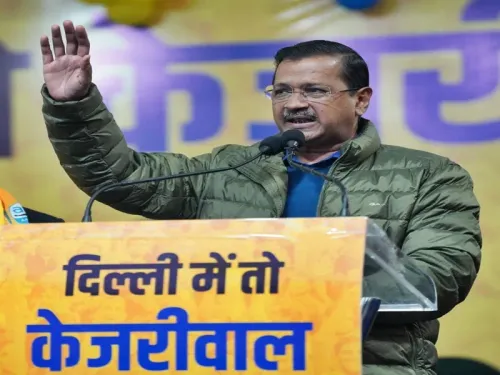
AAP convenor Arvind Kejriwal on 16 June 2026 publicly demanded Goa CM Pramod Sawant provide 300 free electricity units per household monthly, waive all arrears up to 15 June, and guarantee 24x7 power with no cuts — framing the demands as the people of Goa's own ask.
Key Takeaways
Kejriwal on 16 June 2026 directed three electricity demands at Goa CM Pramod Sawant .
Demand one: 300 units of free electricity per household every month.
Demand two: waiver of all electricity arrears up to 15 June .
Demand three: 24x7 uninterrupted power supply with zero cuts.
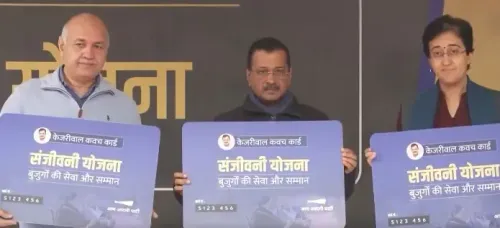
AAP has previously implemented free power up to 200 units in Delhi since 2015 and a similar model in Punjab after 2022 .
No formal response from the Goa government has been issued as of publication.
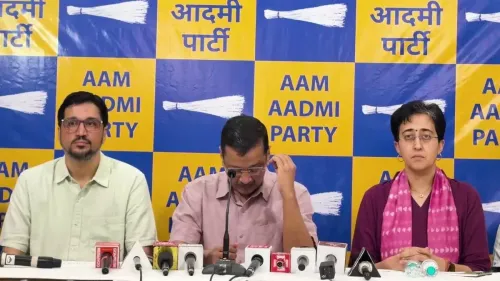
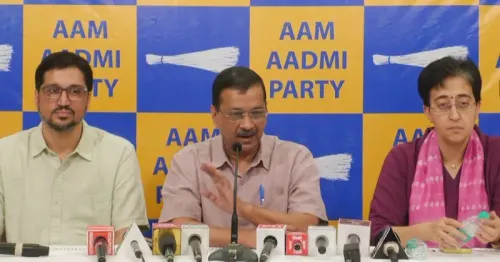
AAP convenor Arvind Kejriwal on Tuesday, 16 June 2026, publicly demanded that Goa Chief Minister Pramod Sawant implement three electricity-related welfare measures for residents of the state, framing them as the people's own demands.
Context
In his post, Kejriwal outlined three specific demands directed at the Goa government: provision of 300 units of free electricity to every household every month, a waiver of all electricity arrears accumulated up to 15 June, and guaranteed 24x7 power supply with no cuts. He attributed these demands to the people of Goa rather than presenting them as a party manifesto point, a framing that positions AAP as a vehicle for citizen grievances rather than a political challenger.
Goa residents have periodically raised concerns over power reliability and billing disputes. Electricity tariffs and supply consistency remain among the most politically sensitive utility issues in the state.
Policy Backdrop
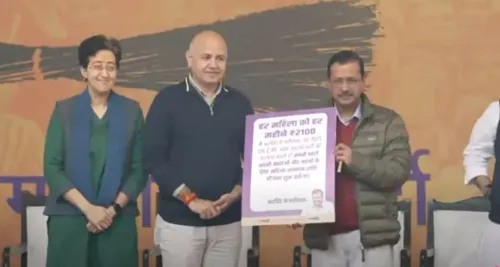
The demand echoes AAP's signature governance model. The party's Delhi government began offering free electricity up to 200 units per household from 2015 onwards, a scheme that became central to the party's electoral identity. After winning Punjab in 2022, AAP extended a comparable power subsidy model there as well.
The Goa demand raises the threshold higher — to 300 units — reflecting what the party describes as the cost-of-living pressures faced by households in the coastal state. The call for an arrears waiver adds a debt-relief dimension that goes beyond routine subsidy politics.
Stakeholders and Impact
The primary beneficiaries, if implemented, would be Goa's residential electricity consumers who carry outstanding dues and face intermittent supply. For the BJP-led state government under Chief Minister Pramod Sawant, the demands represent a political pressure point: accepting them would validate AAP's welfare framework, while rejecting them risks being seen as indifferent to household utility burdens.
AAP has consistently used such targeted demands in BJP-governed states to draw a contrast with its own subsidy-oriented record in Delhi and Punjab, keeping the party visible in states where it does not hold power.
What's Next
The immediate question is whether the Goa government responds formally — either by announcing a review of power tariffs and arrears policy, or by dismissing the demands. Any official statement from Chief Minister Sawant or the state power department will set the tone for how this issue develops ahead of future electoral cycles in Goa. Kejriwal's intervention signals that household electricity costs are likely to remain a live campaign issue in the state.
Point of View
Costed demands in a BJP-ruled state, the party keeps its subsidy governance record in the national conversation without holding office in Goa. The 300-unit threshold — higher than AAP's own Delhi benchmark of 200 units — signals an escalation in the party's welfare positioning, possibly calibrated to Goa's relatively higher cost of living. The arrears waiver demand is the sharpest edge here, because it implies existing consumer distress rather than a prospective benefit, making it harder for the state government to dismiss without political cost. Whether the Goa government engages or ignores the demands will itself become a data point in AAP's ongoing narrative about the BJP's approach to household utility relief.
NationPress
15 Sept 2026
Frequently Asked Questions
What are Kejriwal's three electricity demands for Goa?
Kejriwal has demanded that Goa CM Pramod Sawant provide 300 units of free electricity to every household monthly, waive all electricity arrears up to 15 June, and guarantee 24x7 power supply with no cuts.
Does Goa currently provide free electricity to households?
As of June 2026, Goa does not provide free electricity on the scale Kejriwal is demanding. The state is governed by the BJP under CM Pramod Sawant, which has not adopted AAP's subsidy model.
How does AAP's free electricity model work in Delhi?
The AAP government in Delhi has provided free electricity up to 200 units per household per month since 2015, with consumers paying only for units consumed above that threshold.
Why is Kejriwal raising electricity demands in Goa?
AAP regularly raises welfare demands in BJP-ruled states to contrast its own subsidy-oriented governance record in Delhi and Punjab, keeping the party politically visible in states where it does not hold power.
What happens next after Kejriwal's Goa electricity demand?
The key development to watch is a formal response from the Goa government — either a policy announcement on power tariffs and arrears, or an official rejection of the demands.