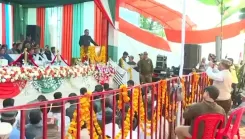
CM Himanta backs ₹11,000 cr JK Lakshmi Cement project in Assam
Synopsis
Assam Chief Minister Himanta Biswa Sarma on 3 November 2026 announced Project Kamakshi, a ₹11,000 crore cement manufacturing venture by JK Lakshmi Cement, calling it a turning point in harnessing the state's limestone wealth for industrial growth and local employment.
Key Takeaways
Project Kamakshi is a ₹11,000 crore investment by JK Lakshmi Cement in Assam, announced by CM Himanta Biswa Sarma on 3 November 2026 .
Assam holds major limestone reserves in districts including Dima Hasao and Karbi Anglong , making it a natural base for cement manufacturing.
The project is backed by the central government's NEIDS 2017 incentive framework and Assam's Industrial Development Policy 2019 .
JK Lakshmi Cement already operates established plants in Rajasthan , Chhattisgarh and Haryana , bringing proven manufacturing expertise.
Land acquisition status, environmental clearances and confirmed employment figures remain key milestones to watch for this project.
Sarma positioned Project Kamakshi as part of a broader state strategy to diversify Assam's economy beyond tea, oil and agriculture.
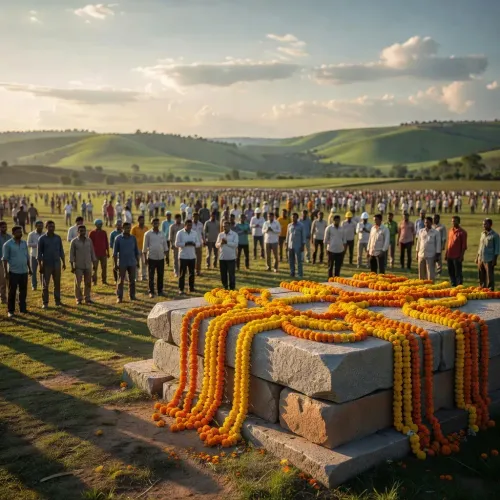
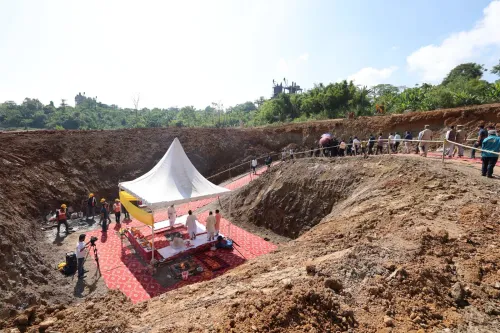
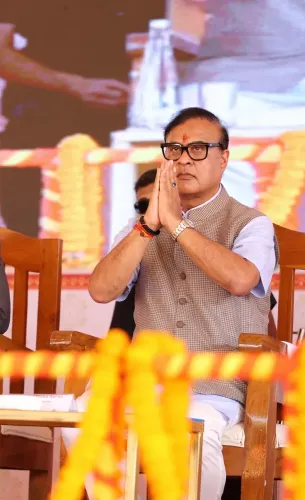
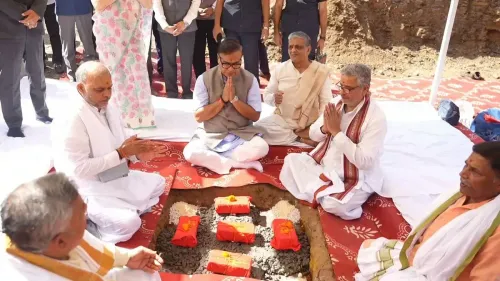
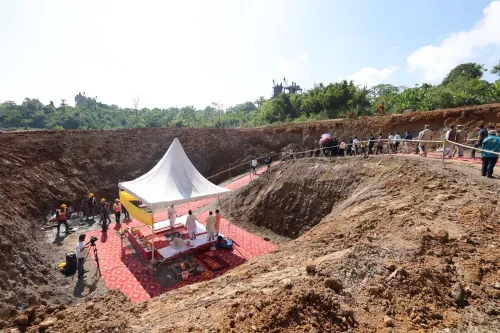
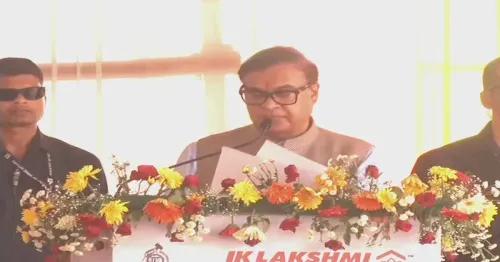
A single cement investment worth ₹11,000 crore could reshape the industrial map of India's Northeast — and Assam Chief Minister Himanta Biswa Sarma wants the country to know it. On Tuesday, 3 November 2026, Sarma announced Project Kamakshi, a major manufacturing venture by JK Lakshmi Cement, as a landmark step in converting Assam's vast mineral reserves into factories, jobs and economic muscle.
What Project Kamakshi means for Assam's limestone belt
Assam sits atop significant limestone deposits — concentrated particularly in districts such as Dima Hasao and Karbi Anglong — that have for decades remained largely underutilised in industrial terms. JK Lakshmi Cement, which already operates plants in Rajasthan, Chhattisgarh and Haryana, is now staking a major northeastern claim. A ₹11,000 crore commitment is not incremental; it signals that a nationally established manufacturer sees sustained, scalable demand in the region.
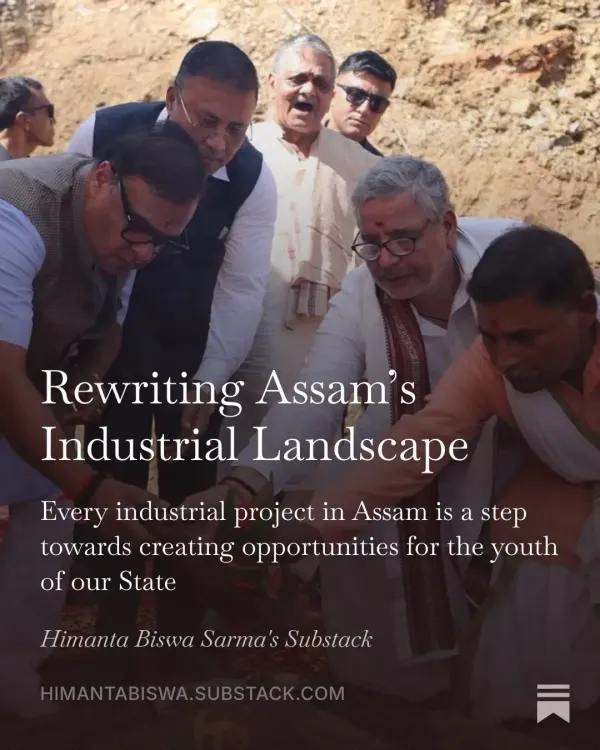
Sarma framed the project in precisely those terms, writing on X that it represents 'a major step in turning Assam's mineral wealth into manufacturing strength and local opportunities.' He expanded on the investment rationale and the state's broader industrial vision in a detailed post on his Substack newsletter.
The policy scaffolding behind the push
The announcement does not arrive in a vacuum. The North East Industrial Development Scheme (NEIDS) 2017 laid a central-government incentive framework — capital subsidies, tax relief — for exactly this kind of large-scale manufacturing play in the region. Assam's own Industrial Development Policy 2019 deepened those provisions, offering additional sweeteners to cement and downstream-sector investors. Together, they built the fiscal architecture that makes a project of Kamakshi's scale financially attractive to a private player.
Since 2016, successive Assam governments have worked to pull investment away from the state's traditional pillars — tea, oil, agriculture — toward resource-based manufacturing. Cement has always been considered the most 'shovel-ready' sector given the limestone base and rapidly growing regional construction demand. Sarma's administration has accelerated that pivot, with large investment summits becoming a signature tool for locking in commitments.
Jobs, land and the questions that follow
The promise of 'local opportunities' sits at the political and economic heart of this announcement. For the mineral-bearing districts, a project at this scale could mean direct employment in manufacturing and indirect jobs in logistics, construction and ancillary industries. What remains to be publicly established is the precise project location, land acquisition status, environmental clearances and firm employment commitments — the hard metrics that will determine whether the vision converts to reality on the ground.
Similar investment announcements are expected at future editions of the Assam Investment Summit, suggesting Kamakshi is positioned as a flagship proof-of-concept rather than a standalone event. If the project moves through clearances smoothly, it becomes the template — and the advertisement — for the next wave of industrial bids in the Northeast.
Assam has the limestone, the policy framework and now a ₹11,000 crore name attached to its industrial ambitions. The clock starts the moment the bulldozers move.
Point of View
Sarma is building an investor-relations narrative that bypasses traditional media gatekeepers. Whether Project Kamakshi clears the land and environmental hurdles that have stalled comparable Northeast investments before will be the true test of whether this industrial rewrite has legs.
NationPress
3 Nov 2026
Frequently Asked Questions
What is Project Kamakshi in Assam?
Project Kamakshi is a ₹11,000 crore cement manufacturing investment by JK Lakshmi Cement in Assam, announced by Chief Minister Himanta Biswa Sarma in November 2026 to leverage the state's limestone deposits for industrial growth.
Where is JK Lakshmi Cement setting up a plant in Assam?
The precise location of the Project Kamakshi plant has not been publicly confirmed yet. Assam's primary limestone reserves are concentrated in districts such as Dima Hasao and Karbi Anglong , which are likely candidate zones.
What government incentives apply to cement projects in Assam?
Two key policy frameworks apply: the central government's North East Industrial Development Scheme (NEIDS) 2017 , which offers capital subsidies and tax benefits, and Assam's Industrial Development Policy 2019 , which provides additional incentives for large-scale manufacturing in sectors like cement.
How much has JK Lakshmi Cement invested in Northeast India?
Project Kamakshi represents JK Lakshmi Cement's major entry into the Northeast at a committed investment of ₹11,000 crore . The company currently operates plants in Rajasthan , Chhattisgarh and Haryana .
What is Assam's industrial development strategy under CM Himanta?
Under Chief Minister Himanta Biswa Sarma , Assam has been diversifying its economy beyond traditional sectors — tea, oil and agriculture — by attracting private investment in resource-based manufacturing, including cement, backed by central and state incentive policies and large-format investment summits.