CM Hemant Soren bets on Chandil's natural beauty for Jharkhand tourism
Synopsis
Jharkhand CM Hemant Soren on 3 November 2026 spotlighted Chandil in Seraikela-Kharsawan district as a tourism asset capable of generating employment and boosting the local economy, framing the town's natural beauty as an economic opportunity beyond the state's mining-dependent base.
Key Takeaways
CM Hemant Soren posted on 3 November 2026 highlighting Chandil 's tourism and economic potential.
Chandil is located in Seraikela-Kharsawan district and features the Chandil Dam on the Subarnarekha river .
Soren explicitly linked natural beauty to employment, livelihoods, and local economy — not just visitor experience.
The push aligns with Jharkhand's policy since 2019 to develop eco-tourism as an alternative to mining-dependent growth.
Chandil's border location near West Bengal and Odisha gives it potential for interstate tourism circuits.
Concrete follow-through — budget allocations, connectivity upgrades, and tourism department plans — remains the key metric to watch.
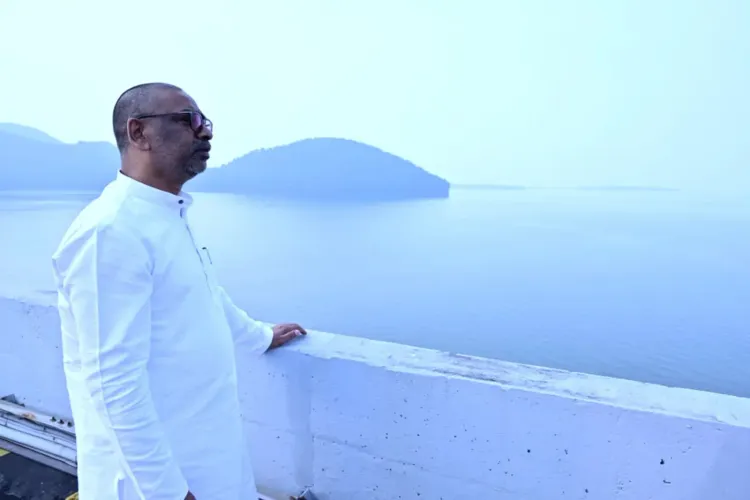
A dam-backed lake, forested hills, and the quiet shimmer of the Subarnarekha river — Jharkhand Chief Minister Hemant Soren wants the world to know that Chandil is far more than a pretty postcard. On Tuesday, 3 November 2026, Soren took to X to make the case that the scenic town in Seraikela-Kharsawan district holds the power to reshape Jharkhand's economic identity.
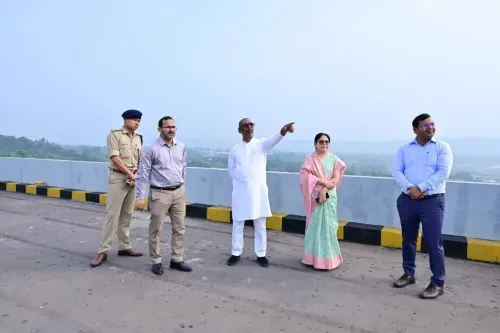
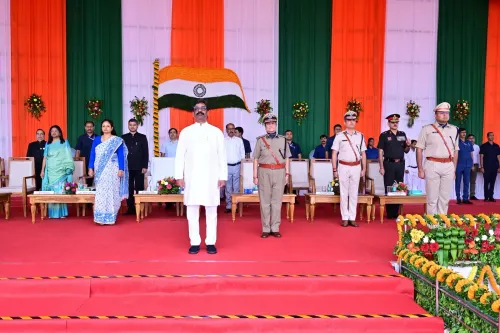
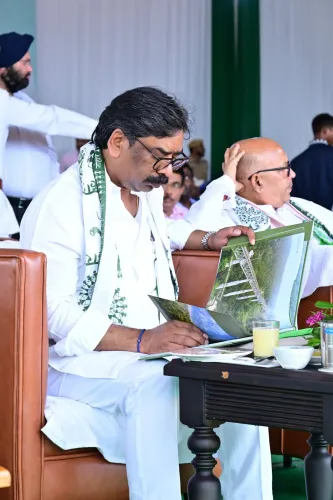
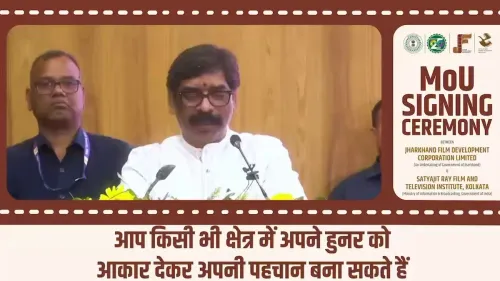
Posting alongside four photographs of the area, Soren wrote: 'Chandil ki prakritik sundarta kewal man moh lene wala anubhav nahin' — 'Chandil's natural beauty is not merely a soul-stirring experience, but also holds immense potential to give tourism in Jharkhand a new identity and lend fresh momentum to the local economy, employment, and livelihoods.'
Chandil's case: dam, river, and a tourism opportunity waiting
Chandil sits at the centre of one of Jharkhand's most picturesque landscapes. The Chandil Dam on the Subarnarekha river creates a wide reservoir ringed by hills — the kind of setting that draws weekend travellers and, with the right infrastructure, could draw far more. The town lies in Seraikela-Kharsawan district, a region that borders both West Bengal and Odisha, giving it genuine connectivity potential for interstate tourism circuits.
The Chief Minister's framing is deliberate: beauty is the asset, but livelihoods are the argument. By anchoring the pitch in employment and local economy, Soren signals that any planned development at the site would need to deliver tangible gains for communities on the ground — not just footfall numbers.
Diversifying beyond the mines: Jharkhand's long-running tourism push
Jharkhand carries the paradox of being one of India's richest states by mineral wealth and one of its most economically challenged by income and employment indicators. Since 2019, successive state administrations — including Soren's Jharkhand Mukti Morcha-led government — have actively promoted eco-tourism sites as a parallel economy to mining and agriculture. Chandil is part of that longer arc.
The logic is straightforward: Jharkhand has waterfalls, forests, tribal heritage sites, and river landscapes that remain largely undiscovered on the national tourism map. Putting them on that map means connectivity, hospitality infrastructure, and sustained promotion — areas where state tourism budgets have historically lagged behind the ambition.
What Soren's post signals for local communities
For the villages and small traders around the Chandil reservoir, a sustained tourism push would mean boat operators, homestay owners, food vendors, and guides — the kind of distributed, entry-level economic activity that mining rarely delivers. Soren's explicit mention of aajivika (livelihoods) alongside employment suggests the government's pitch is aimed at this base layer of the local economy, not just hotel developers or large operators.
Whether the sentiment translates into concrete budget allocations, road improvements, or tourism department campaigns for Chandil will be the real test — and the one worth watching in the months ahead.
Jharkhand's forests and rivers have waited long enough. The Chief Minister just put Chandil's name in lights; now comes the harder work of building the road to get there.
Point of View
Not just cultural pride. In a state where mineral extraction has long dominated the development narrative, attaching livelihoods language to a scenic location is a politically smart move: it speaks simultaneously to environmentalists, local communities, and investors. The real test will be whether this translates into targeted tourism-budget line items in the next state financial cycle. If it does, Chandil could become a template for how Jharkhand markets its other underexplored natural sites.
NationPress
3 Nov 2026
Frequently Asked Questions
Where is Chandil located in Jharkhand?
Chandil is a town in Seraikela-Kharsawan district of Jharkhand, known for the Chandil Dam built on the Subarnarekha river and its scenic reservoir and forested hills.
Why did CM Hemant Soren post about Chandil?
On 3 November 2026 , CM Soren highlighted Chandil's natural beauty as a major opportunity to develop tourism in Jharkhand and generate employment and livelihoods for local communities.
What is Jharkhand's tourism development policy?
Since 2019 , Jharkhand governments have promoted eco-tourism as a way to diversify the state's economy beyond its traditional dependence on mining and agriculture.
What is the economic significance of Chandil for Jharkhand?
Chandil's reservoir, forest landscape, and border location near West Bengal and Odisha make it a candidate for interstate tourism circuits that could support boat operators, homestays, food vendors, and local guides.
What should we watch for after Soren's Chandil statement?
The key signals to track are state tourism department announcements, budget allocations for Chandil site development, and any connectivity or infrastructure improvements planned for the area.