Iran threatens to attack US forces entering Strait of Hormuz
Synopsis
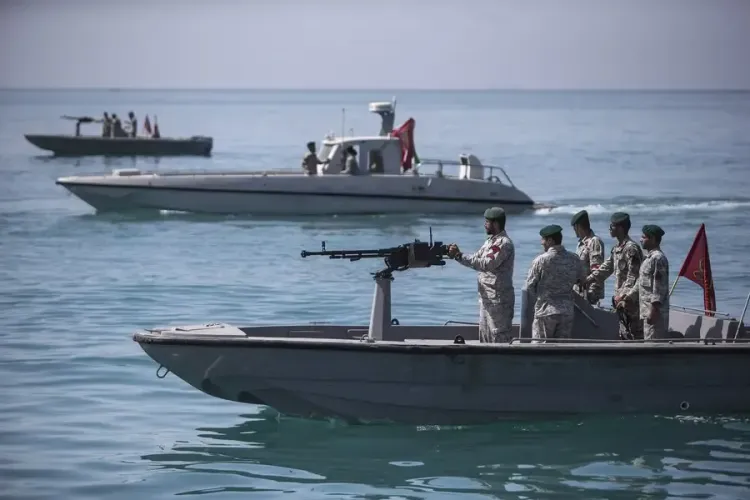
Iran has directly threatened to attack US military forces if they enter the Strait of Hormuz, hours after Washington launched 'Project Freedom' — a massive naval operation involving 15,000 troops and over 100 aircraft to escort stranded commercial ships. The standoff marks one of the most serious US-Iran military confrontations in the critical waterway in recent years.
Key Takeaways
Iran's Khatam al-Anbiya Central Headquarters warned on 4 May that US forces entering the Strait of Hormuz will be attacked.
The US launched "Project Freedom" to escort stranded commercial vessels out of the strait, with the operation beginning Monday, 4 May .
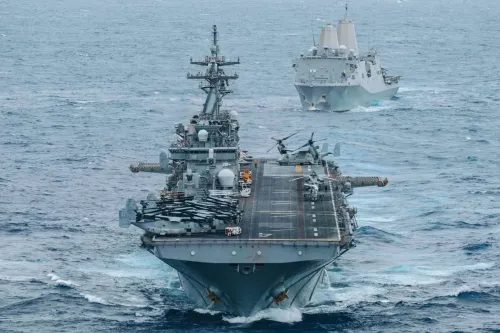
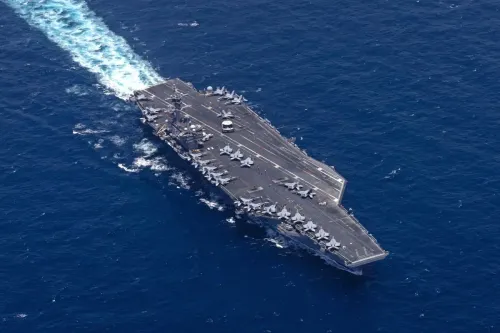
The deployment includes guided-missile destroyers , more than 100 aircraft , and approximately 15,000 US service members .
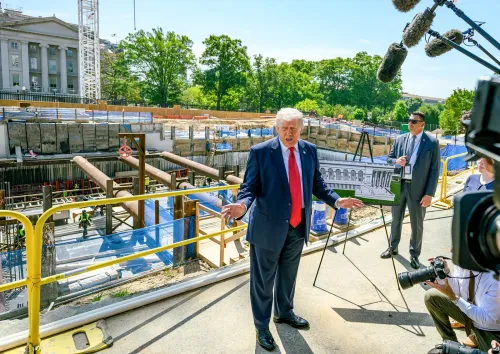
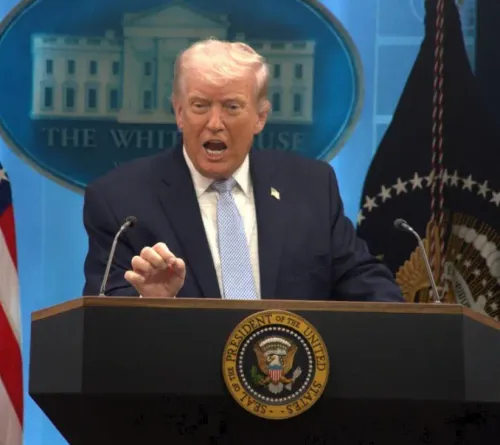
President Donald Trump framed the operation as a humanitarian mission for "neutral and innocent" ships running low on supplies.
Iran insists safe passage through the strait must be "coordinated with the armed forces."
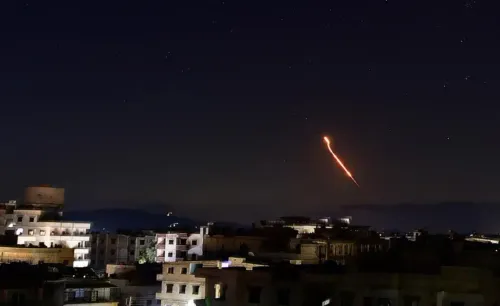
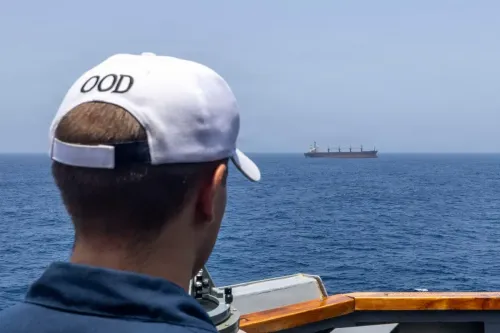
Iran on Monday, 4 May issued a direct military warning to the United States, threatening to attack any American forces that attempt to enter or approach the Strait of Hormuz. The warning came hours after Washington announced the launch of "Project Freedom" — a large-scale naval operation aimed at escorting stranded commercial vessels out of the strategically critical waterway.
Iran's Warning
Iran's main military command, Khatam al-Anbiya Central Headquarters, issued a formal statement saying: "We warn that any foreign armed forces, especially the aggressive US army, will be attacked if they intend to approach and enter the Strait of Hormuz." The statement further asserted that "the security of the Strait of Hormuz is in our hands" and that safe passage of vessels must be "coordinated with the armed forces."
What the US Announced
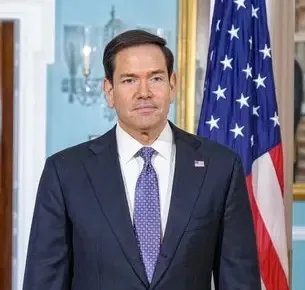
US President Donald Trump announced the operation after multiple countries reportedly approached Washington for assistance, citing vessels "locked up in the Strait of Hormuz" despite having, in his words, "absolutely nothing to do" with the ongoing regional conflict. Trump framed the initiative as a humanitarian intervention, noting that "many of these Ships are running low on food, and everything else necessary for largescale crews to stay on board in a healthy and sanitary manner." He said the move aims to assist "neutral and innocent bystanders" and ensure ships can "freely and ably get on with their business."
Military Deployment Scale
The US Central Command (CENTCOM) confirmed that its forces would begin supporting the mission from 4 May to "restore freedom of navigation for commercial shipping through the Strait of Hormuz." The Pentagon-directed operation involves a significant military deployment, including guided-missile destroyers, more than 100 land- and sea-based aircraft, multi-domain unmanned platforms, and approximately 15,000 service members, according to the CENTCOM statement.
Why the Strait Matters
The Strait of Hormuz is one of the world's most critical maritime chokepoints, through which an estimated 20% of global oil trade passes. Any disruption to navigation there carries immediate consequences for global energy markets and supply chains. This is not the first time Iran has threatened to close or restrict access to the waterway — Tehran has periodically invoked this leverage during periods of heightened tension with the West. Notably, the latest standoff comes amid the broader backdrop of unresolved nuclear negotiations and regional conflict.
What Happens Next
With the US operation reportedly set to begin Monday morning, Middle East time, the risk of a direct confrontation in the waterway has escalated sharply. The international community, including major shipping nations and oil importers, will be watching closely. Whether Iran follows through on its threat or uses it as a diplomatic pressure tool remains to be seen — but the scale of the US deployment signals Washington is prepared for resistance.
Point of View
But the scale of the US response — 15,000 troops, guided-missile destroyers, over 100 aircraft — signals Washington is not treating this as a bluff. The real danger is miscalculation: a single incident in the strait could trigger an escalation neither side has fully war-gamed publicly. What mainstream coverage underplays is that Iran has made similar threats before without following through, yet the current regional context — ongoing conflict, stalled nuclear talks — makes this moment structurally different. The world's oil markets are watching a chokepoint that controls roughly a fifth of global crude flows, and that arithmetic alone should concentrate minds in both Tehran and Washington.
NationPress
19 Sept 2026
Frequently Asked Questions
Why did Iran threaten US forces at the Strait of Hormuz?
Iran threatened to attack US forces after Washington announced 'Project Freedom' — a military operation beginning 4 May to escort stranded commercial ships through the Strait of Hormuz. Iran's Khatam al-Anbiya Central Headquarters stated that any foreign armed forces approaching or entering the strait will be attacked.
What is 'Project Freedom' announced by the US?
'Project Freedom' is a US military-backed operation announced by President Donald Trump to safely guide stranded commercial vessels out of the Strait of Hormuz. The operation involves approximately 15,000 service members, guided-missile destroyers, and over 100 aircraft, and was set to begin on Monday, 4 May.
How many US troops are deployed for the Strait of Hormuz operation?
According to a US Central Command (CENTCOM) statement, the operation involves approximately 15,000 service members, more than 100 land- and sea-based aircraft, guided-missile destroyers, and multi-domain unmanned platforms.
Why is the Strait of Hormuz strategically important?
The Strait of Hormuz is one of the world's most critical maritime chokepoints, through which an estimated 20% of global oil trade passes. Any disruption to navigation there has immediate consequences for global energy prices and supply chains.
What did President Trump say about the stranded ships?
President Trump said multiple countries had approached Washington for help, describing vessels 'locked up in the Strait of Hormuz' that had nothing to do with the ongoing conflict. He said many ships were running low on food and essential supplies, and framed the operation as a humanitarian intervention for 'neutral and innocent bystanders'.