Strait of Hormuz standoff: 1,550 ships stranded, US launches 'Project Freedom'
Synopsis
Over 1,550 commercial vessels carrying 22,500 mariners are stranded in the Strait of Hormuz as Iran continues attacking shipping despite a ceasefire. Washington's 'Project Freedom' naval escort is a direct counter — but with Iran firing on vessels nine times post-ceasefire, the fragile truce is being stress-tested in real time, and India's crude import bill hangs in the balance.
Key Takeaways
More than 1,550 commercial vessels and 22,500 mariners are stranded due to Iranian attacks in the Strait of Hormuz .
The strait carries approximately one-fifth of global oil consumption , making the disruption a direct energy security threat.
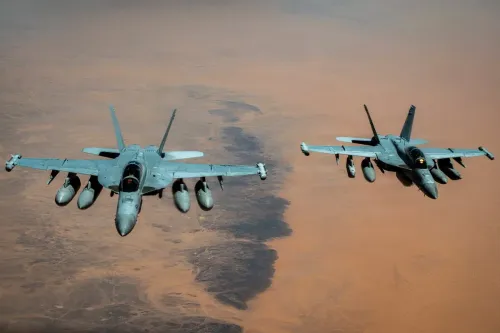
US Secretary of Defense Pete Hegseth launched "Project Freedom" , deploying over 15,000 personnel , warships, and more than 100 aircraft to escort vessels.
Iran has fired at commercial vessels nine times and seized two container ships since the ceasefire was announced, according to Gen.
India , heavily dependent on Gulf crude imports, faces risks of higher oil prices and increased inflationary pressure if the standoff persists.
Despite ongoing exchanges of fire, Hegseth stated the ceasefire remains in effect and the US mission is "defensive in nature."
A US-Iran standoff in the Strait of Hormuz has left more than 1,550 commercial vessels and over 22,500 mariners stranded, disrupting global trade and threatening energy supplies, with significant ripple effects feared for import-dependent economies including India. The crisis, which has deepened over the past seven weeks, prompted Washington to launch a dedicated naval escort operation to restore freedom of navigation through one of the world's most critical maritime chokepoints.
Scale of the Disruption
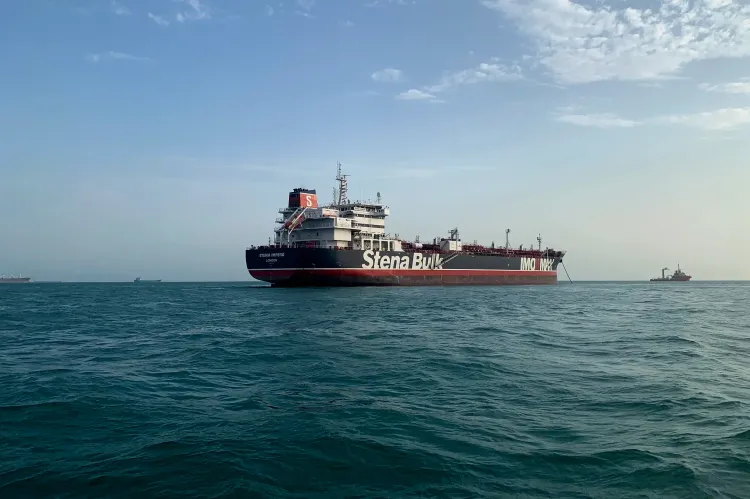
US officials confirmed that Iranian attacks and threats to shipping have rendered transit through the strait effectively impossible for hundreds of vessels. The Strait of Hormuz, a narrow waterway between Iran and Oman, carries approximately one-fifth of global oil consumption, making any prolonged blockage a direct threat to worldwide energy security. A backlog of tankers and cargo vessels has already formed, raising alarm over delays in oil shipments and broader supply chain disruptions. Shipping companies and insurers are reportedly reassessing risk exposure, which analysts warn could drive up freight costs and insurance premiums significantly.
What the US Said and Did
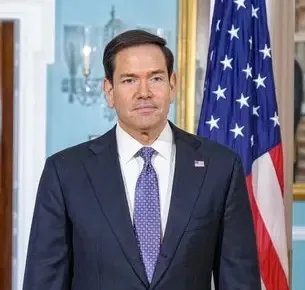
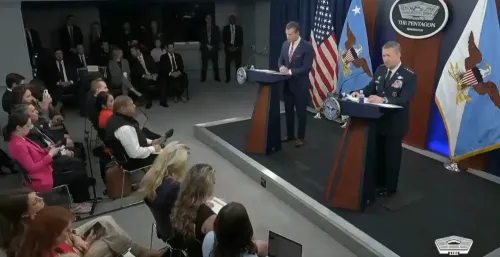
US Secretary of Defense Pete Hegseth on Tuesday accused Iran of "harassing civilian vessels, threatening mariners from every nation indiscriminately and weaponising a critical choke point," describing the conduct as "a form of international extortion." Hegseth announced the launch of "Project Freedom" — a US naval and air escort operation designed to restore the flow of commerce through the strait. Two US-flagged commercial ships, accompanied by American destroyers, have already transited the passage, with Hegseth stating the lane is clear and "hundreds more ships from nations around the world" are preparing to follow.
Iran's Actions Since the Ceasefire
Joint Chiefs Chairman Air Force General Dan Caine said Iran had "repeatedly threatened and attacked commercial shipping" over the past seven weeks in an attempt to "effectively cut off commercial traffic and damage the global economy." According to Caine, Iran has fired at commercial vessels nine times since a ceasefire was announced, seized two container ships, and attacked US forces more than ten times — though, he noted, all incidents remained "below the threshold of restarting major combat operations." The United States has deployed over 15,000 personnel, along with warships, helicopters, and more than 100 aircraft, to secure a transit corridor through the strait. Despite the exchanges of fire, Hegseth maintained that "the ceasefire is not over" and described the mission as "defensive in nature."
Impact on India and Global Economies
For India, which relies heavily on crude oil imports from the Gulf region, a prolonged disruption in the Strait of Hormuz could translate into higher oil prices, a swelling import bill, and broader inflationary pressure on the domestic economy. Energy economists have previously flagged the strait as the single greatest vulnerability in India's oil supply chain. This comes amid already elevated global energy price volatility, compounding the risk for New Delhi's fiscal calculations. Other import-dependent Asian economies face similar exposure, and prolonged instability could reshape near-term crude pricing benchmarks.
A Longstanding Flashpoint
The Strait of Hormuz has historically been a geopolitical pressure point, with Iran periodically threatening to close the waterway during periods of heightened tension with the West. The current crisis follows a brief US-Iran conflict and a fragile ceasefire that remains technically in place. Analysts note that the pattern of below-threshold attacks since the ceasefire signals a deliberate Iranian strategy to exert economic pressure without triggering a full military response — a calibrated form of coercion that places the burden of escalation management squarely on Washington. How the US navigates Project Freedom in the coming days will be closely watched by energy markets and regional powers alike.
Point of View
Two ship seizures, ten strikes on US forces — follows a familiar playbook: inflict economic pain below the threshold of full retaliation. Washington's 'Project Freedom' is a necessary response, but escorting ships through a contested strait is not a political solution. The deeper question is whether the ceasefire framework is durable enough to prevent a miscalculation from spiralling into open conflict. For India, the strategic exposure is acute: New Delhi has no naval presence in the Gulf and limited leverage over either party, yet its energy security and inflation trajectory are directly hostage to how this standoff resolves.
NationPress
24 Oct 2026
Frequently Asked Questions
Why are ships stranded in the Strait of Hormuz?
Iranian attacks and threats to commercial shipping have made transit through the Strait of Hormuz effectively impossible for hundreds of vessels. Over 1,550 commercial ships carrying more than 22,500 mariners are currently unable to pass through the waterway, according to US officials.
What is 'Project Freedom' launched by the US?
'Project Freedom' is a US naval and air escort operation announced by Secretary of Defense Pete Hegseth to restore freedom of navigation through the Strait of Hormuz. American destroyers have already escorted two US-flagged commercial ships through the strait, with hundreds more vessels reportedly preparing to follow.
How many times has Iran attacked shipping since the ceasefire?
According to Joint Chiefs Chairman Gen. Dan Caine, Iran has fired at commercial vessels nine times since the ceasefire was announced, seized two container ships, and attacked US forces more than ten times. All incidents have remained below the threshold of restarting major combat operations, he said.
How does the Hormuz standoff affect India?
India relies heavily on crude oil imports from the Gulf, and a prolonged disruption in the Strait of Hormuz could lead to higher oil prices, a larger import bill, and increased inflationary pressure on the domestic economy. The strait is considered the single greatest vulnerability in India's oil supply chain.
Is the US-Iran ceasefire still in place?
Yes, according to Secretary of Defense Pete Hegseth, the ceasefire remains in effect despite ongoing Iranian attacks on shipping. He described the US naval escort mission as 'defensive in nature' and said Washington is not seeking to restart major combat operations.