KTR Slams Telangana Govt Over Kaleshwaram Neglect
Synopsis
BRS working president K. T. Rama Rao on July 8, 2026 accused the Telangana Congress government of letting Godavari waters flow waste at Medigadda while farmers face a rainfall deficit, demanding immediate activation of Kaleshwaram pump houses to save the kharif season.
Key Takeaways
KTR accused the Telangana Congress government of failing to operate the Kaleshwaram Lift Irrigation Project during a rainfall-deficit kharif season in 2026 .
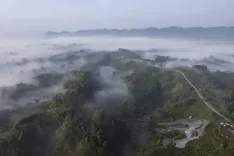
He alleged that lakhs of cusecs of Godavari water are flowing wasted downstream at Medigadda barrage while farmers cannot sow crops.
Rama Rao demanded activation of the Kannepalli pump house motors to prevent drought conditions from worsening.
He warned that an El Nino threat makes the government's inaction even more dangerous for Telangana farmers.
The Kaleshwaram project was inaugurated in 2019 under former CM KCR to supply water to drought-prone northern Telangana districts.
BRS has consistently accused the Congress administration of politically motivated neglect of irrigation assets built by the previous regime.
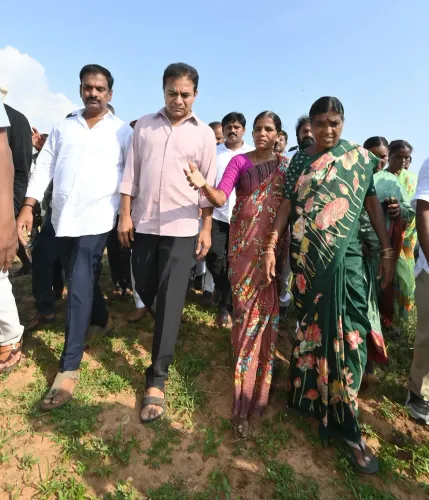
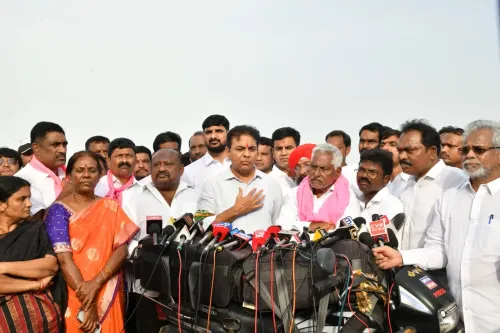
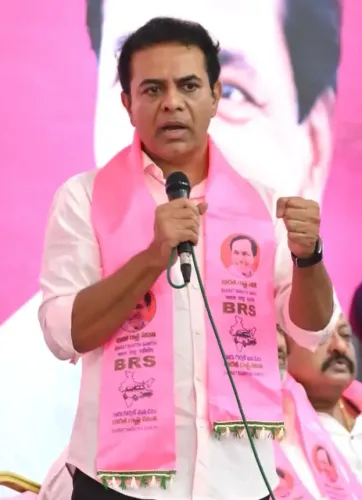
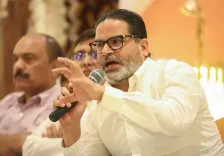
BRS working president K. T. Rama Rao on Wednesday, July 8, 2026, launched a sharp attack on the Telangana Congress government, accusing it of criminal negligence for failing to operate the Kaleshwaram Lift Irrigation Project even as Godavari waters flow abundantly at Medigadda and farmers across the state reel under a severe rainfall deficit.
Context
Posting in Telugu on X (formerly Twitter), Rama Rao painted a stark contrast: 'ఒకపక్క నీళ్లు లేక పల్లెల్లో రైతన్నల కన్నీళ్లు' ('On one side, farmers in villages weeping for want of water') while, on the other, lakhs of cusecs of water flow wasted downstream at Medigadda barrage. He compared the state government's inaction to the Roman emperor Nero — watching idly while the situation burns — and demanded to know why the Kannepalli pump house motors have not been switched on to avert a drought.
Rama Rao asked pointedly: 'Is the Chief Minister more concerned about farmers or about politics? Take your vengeance out on the Opposition, but do not destroy the farmer who feeds you.' He urged Telangana farmers to question what he called the 'heartless Congress rule' that leaves their fields parched even as the Kaleshwaram reservoir brims with Godavari water.
Policy Backdrop
The Kaleshwaram Lift Irrigation Project, inaugurated in 2019 by the then TRS government under former Chief Minister K. Chandrashekar Rao (KCR), was designed to lift Godavari river water to drought-prone districts of northern Telangana, providing both irrigation and drinking water. The multi-stage project — one of the largest lift irrigation schemes in the world — includes the Medigadda barrage as a key downstream structure and the Kannepalli pump house as a critical lifting point.
Since the Congress party swept to power in the December 2023 Telangana assembly elections, BRS leaders have repeatedly alleged that the new administration is deliberately under-utilising irrigation infrastructure built by the previous regime. The disputes have centred on maintenance budgets, pump-house operations, and what the opposition describes as politically motivated neglect of completed barrages.
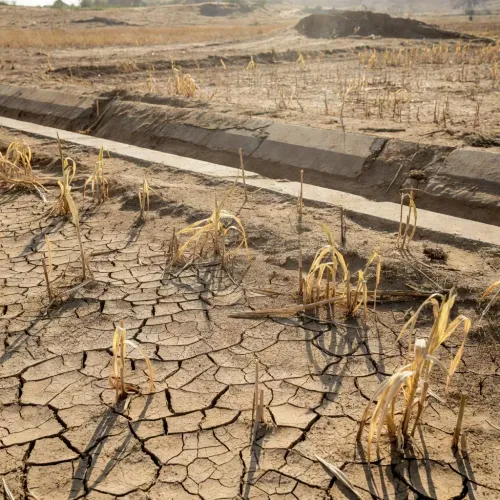
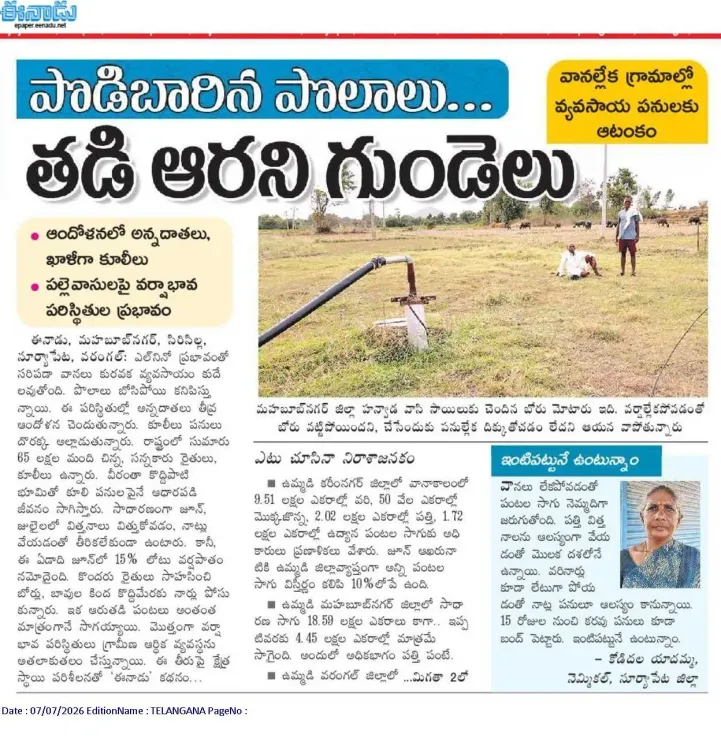
The 2026 kharif season has been marked by a deficient monsoon in parts of Telangana, with farmers reporting inability to transplant paddy seedlings or sow other crops due to lack of water. Rama Rao also flagged the threat of an El Nino weather pattern, warning that the risk of a prolonged dry spell makes irrigation management even more urgent.
Stakeholders and Impact
Telangana's farming community — particularly ryots in the Godavari basin and northern districts that depend on Kaleshwaram for kharif irrigation — stands at the centre of this dispute. Without timely water releases, paddy transplantation and oilseed sowing for the 2026 season could be severely disrupted, affecting both food output and farm incomes across the state.
The Telangana Congress government, led by Chief Minister Revanth Reddy, has not yet responded publicly to Rama Rao's specific allegations about Kannepalli pump-house operations. The state irrigation department's decisions in the coming days will be closely watched by farmer organisations and opposition leaders alike.
What's Next
All eyes are now on whether the Telangana state irrigation department activates the Kannepalli and other Kaleshwaram pump houses before the critical paddy transplantation window closes for the 2026 kharif season. Any delay risks triggering organised protests by farmer groups and fresh salvos in the already bitter BRS–Congress political battle over the project's legacy and operational management.
Rama Rao's broadside signals that Kaleshwaram will remain a central flashpoint heading into the next phase of state politics, with the BRS positioning the irrigation project as both its governance legacy and a litmus test of the Congress administration's commitment to Telangana's agrarian communities.
Point of View
BRS shifts the debate from the project's controversial cost and structural questions to its utilisation record under the new dispensation. Whether the Congress government responds with operational action or political counter-messaging will define the next chapter of this dispute.
NationPress
6 Oct 2026
Frequently Asked Questions
What is the Kaleshwaram Lift Irrigation Project?
The Kaleshwaram Lift Irrigation Project is a multi-stage lift irrigation scheme on the Godavari river in Telangana, inaugurated in 2019 under the then TRS government led by Chief Minister K. Chandrashekar Rao. It was built to supply water for irrigation and drinking purposes to drought-prone northern Telangana districts.
Why is KTR criticising the Telangana government over Kaleshwaram?
BRS working president KTR alleges that the Telangana Congress government is deliberately not operating Kaleshwaram pump houses, including at Kannepalli, allowing Godavari water to flow wasted at Medigadda even as farmers face a rainfall deficit during the 2026 kharif season.
What is the Medigadda barrage?
Medigadda is a downstream barrage that forms part of the Kaleshwaram Lift Irrigation Project on the Godavari river. KTR alleged that large volumes of water are flowing wasted past this barrage instead of being lifted to irrigate farmers' fields.
What is the Kannepalli pump house and why does it matter?
The Kannepalli pump house is a key pumping station within the Kaleshwaram project infrastructure. KTR demanded that the Telangana government activate its motors to lift Godavari water and prevent drought conditions from devastating the 2026 kharif crop season.
How has the BRS-Congress dispute over Kaleshwaram developed?
Since the Congress party won the December 2023 Telangana assembly elections, BRS leaders have repeatedly accused the new administration of under-utilising irrigation infrastructure built by the previous BRS regime, alleging political retribution against projects associated with former CM KCR.