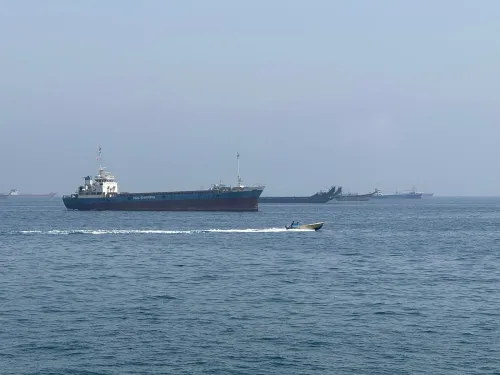
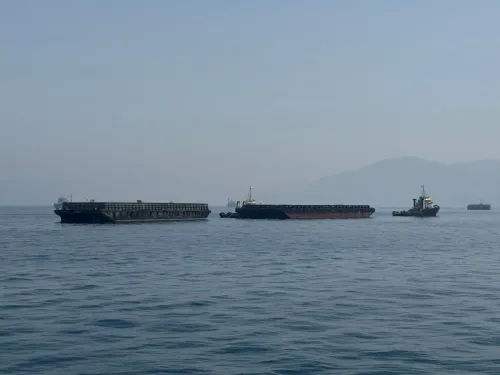
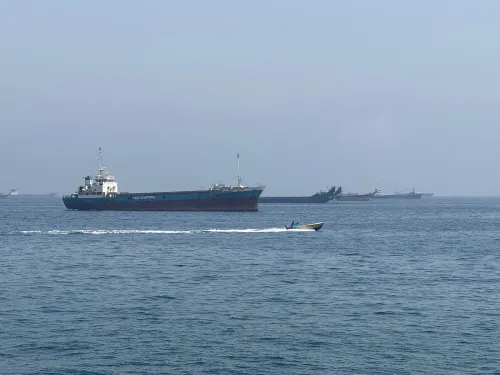
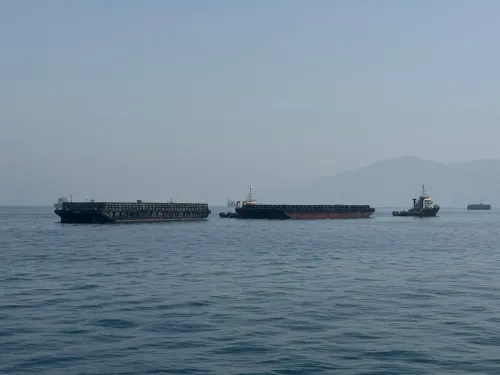
Strait of Hormuz drone strikes hit two tankers; ADNOC vessels also attacked
Synopsis
Two oil tankers hit by UAV strikes in the Strait of Hormuz on 14 August — and that was just part of the story. ADNOC vessels were also targeted the same day, the UAE publicly blamed Iran, and Tehran's military command declared no ship passes through Hormuz without Iranian permission. With 20% of global oil supply at stake, the chokepoint has never felt more contested.
Key Takeaways
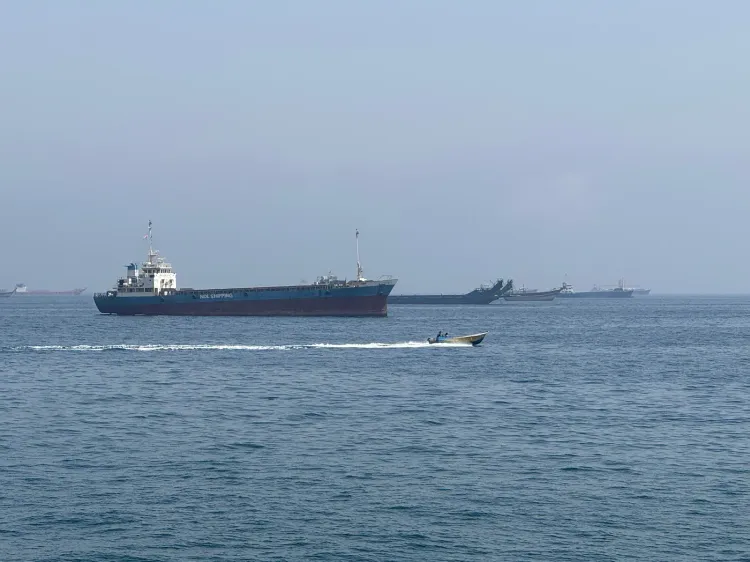
Two tankers were struck by UAVs in the Strait of Hormuz on 14 August , sustaining minor damage; all crew reported safe per UKMTO .
Two ADNOC vessels were also attacked during Thursday evening transit; no injuries reported and situation brought under control.
The UAE Ministry of Foreign Affairs publicly condemned the attacks and attributed them to Iran , demanding an immediate halt.
Iran's Khatam al-Anbiya Central Headquarters declared the strait is 'under Iran's full control,' warning no vessel may pass without Iranian armed forces' permission.
The Strait of Hormuz carries an estimated 20% of global petroleum liquids, making it the world's most critical oil shipping chokepoint.
Two oil tankers were struck by Unmanned Aerial Vehicles (UAVs) while transiting the Strait of Hormuz on 14 August, sustaining minor damage with all crew members reported safe, according to advisories issued by the United Kingdom Maritime Trade Operations (UKMTO). The incidents mark a sharp escalation in maritime security threats at one of the world's most critical energy chokepoints.
What the UKMTO Advisories Said
Two separate UKMTO advisories confirmed that military authorities reported both tankers were struck by UAVs during outbound transit of the strait. The advisories noted that damage to both vessels was minor, all crew were accounted for and safe, and no environmental impact had been reported. No further details on the identities of the vessels were disclosed.
ADNOC Vessels Also Targeted
On the same day, two vessels belonging to Abu Dhabi National Oil Company (ADNOC) of the United Arab Emirates (UAE) were attacked while transiting the Strait of Hormuz on Thursday evening, according to local authorities and media. ADNOC confirmed no injuries were reported and that the situation had been brought under control, according to the official Emirates News Agency. The company did not provide further details on the specific vessels involved or the full extent of damage.
The UAE Ministry of Foreign Affairs condemned the attacks in a statement posted on social media, attributing them to Iran and stressing the necessity for Tehran to immediately cease such actions.
Iran's Position on Hormuz Control
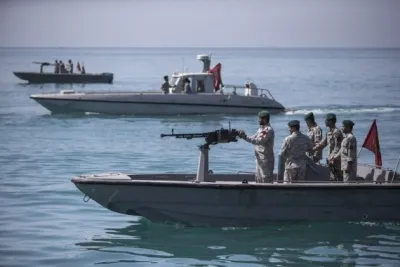
Iran's main military command, Khatam al-Anbiya Central Headquarters, said on Thursday that no commercial vessel or oil tanker would be able to cross the Strait of Hormuz safely without the permission and supervision of the Iranian armed forces. In a video message carried by Iranian state media, the headquarters' spokesman Ebrahim Zolfaghari declared that the strait remains 'under Iran's full control and management,' dismissing US claims of vessels transiting normally as 'false and nothing but lies.' He further characterised those claims as evidence of American 'desperation and helplessness.'
Why the Strait of Hormuz Matters
The Strait of Hormuz, linking the Persian Gulf with the Gulf of Oman, is the world's single most important oil shipping chokepoint, with an estimated 20% of global petroleum liquids passing through it. ADNOC, a state-owned enterprise, is among the largest oil and gas producers globally and the primary engine of the UAE economy. Disruptions to transit through the strait have historically triggered immediate spikes in global oil prices. This comes amid a broader pattern of maritime incidents in the region, including repeated Houthi drone and missile strikes on commercial shipping in the Red Sea since late 2023.
Regional Security Context
The attacks occurred against a backdrop of heightened regional tensions. Analysts note that Iran has periodically asserted dominance over the strait as a pressure lever in diplomatic standoffs. The simultaneous targeting of multiple vessels — including those belonging to a major state oil company — signals a notable intensification in both scale and directness. The international community, including the UAE, has called on Tehran to halt the attacks immediately.
Point of View
Hitting Asian importers — India included — hardest. The UAE's decision to publicly name Iran, rather than issue a generic condemnation, also marks a diplomatic shift worth watching.
NationPress
29 Sept 2026
Frequently Asked Questions
What happened in the Strait of Hormuz on 14 August?
Two oil tankers were struck by drone (UAV) attacks while transiting the Strait of Hormuz on 14 August, sustaining minor damage with all crew reported safe, according to UKMTO advisories. Separately, two ADNOC vessels were also attacked in the same waterway on Thursday evening.
Who carried out the drone attacks on the tankers?
The UAE Ministry of Foreign Affairs publicly attributed the attacks to Iran in a statement posted on social media, demanding Tehran cease such actions immediately. Iran's military command did not directly claim the strikes but separately declared full control over the Strait of Hormuz.
Were any crew members injured in the attacks?
No. UKMTO confirmed all crew members aboard the two struck tankers were safe. ADNOC also confirmed no injuries among its vessel crews, stating the situation had been brought under control.
Why is the Strait of Hormuz so strategically important?
The Strait of Hormuz links the Persian Gulf with the Gulf of Oman and is the world's single most critical oil shipping chokepoint, with roughly 20% of global petroleum liquids passing through it. Any sustained disruption directly affects global energy prices and supply chains, particularly for Asian importers.
What did Iran say about the Strait of Hormuz?
Iran's Khatam al-Anbiya Central Headquarters stated on Thursday that no commercial vessel or oil tanker can cross the Strait of Hormuz safely without Iranian armed forces' permission and supervision. Spokesman Ebrahim Zolfaghari said the strait is 'under Iran's full control,' dismissing US claims of normal vessel passage as false.