UAE condemns Iran's drone attack on ADNOC vessel in Strait of Hormuz
Synopsis
Iran's IRGC reportedly used two drones to strike ADNOC-linked commercial vessels in the Strait of Hormuz, prompting the UAE to invoke UN Security Council resolution 2817 and call the act 'piracy'. With the US deploying naval assets under 'Project Freedom' and Iran claiming — falsely, according to Washington — to have hit a US frigate, the world's most critical oil chokepoint is now the flashpoint of a rapidly widening standoff.
Key Takeaways
The UAE condemned a drone attack by Iran's IRGC on ADNOC -linked commercial vessels in the Strait of Hormuz on 4 May 2025 .
The UAE MoFA called the incident a "flagrant violation" of UN Security Council resolution 2817 and described it as "acts of piracy" .
The IRGC Navy claimed it struck a US Navy frigate with two missiles; US Central Command denied any ships were hit.
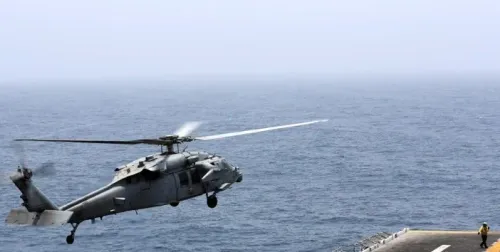
US President Donald Trump confirmed US forces are operating 'Project Freedom' to guide ships out of restricted Strait of Hormuz waters.
The UAE demanded the complete and unconditional reopening of the Strait to protect global trade and energy security.
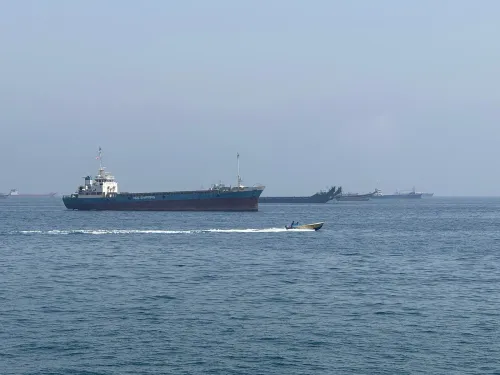
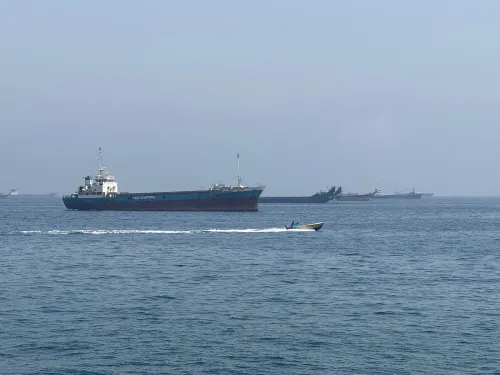
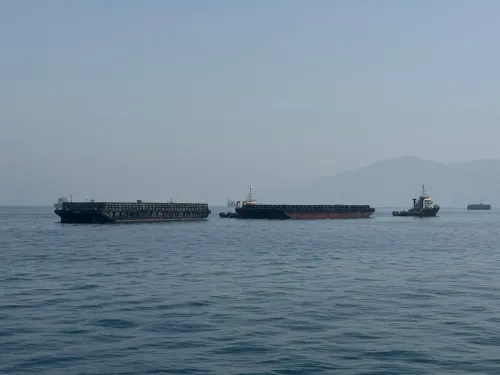
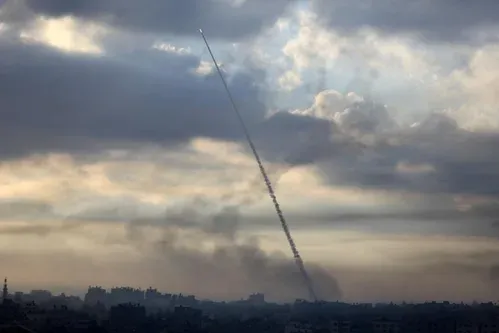
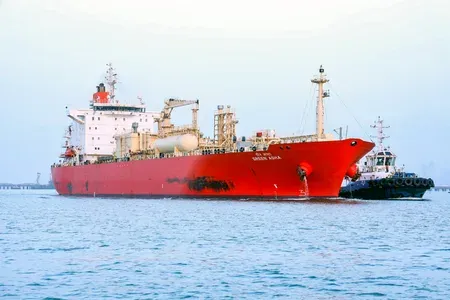
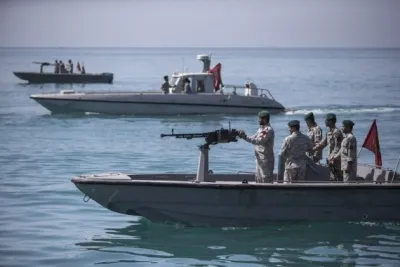
The United Arab Emirates (UAE) on Monday, 4 May condemned what it called a "terrorist attack" by Iran on commercial vessels linked to the Abu Dhabi National Oil Company (ADNOC) as they transited the Strait of Hormuz. The incident, involving two drones, has sharply escalated tensions in one of the world's most critical maritime chokepoints, through which roughly 20% of global oil supply flows.
What Happened
The UAE Ministry of Foreign Affairs (MoFA) said in an official statement that two drones were used in the attack on ADNOC-linked commercial vessels navigating the Strait of Hormuz. The ministry described the incident as a "flagrant violation" of UN Security Council resolution 2817, which affirms the importance of freedom of navigation and explicitly rejects the targeting of commercial vessels or obstruction of international maritime routes.
The UAE further characterised the targeting of commercial ships and the use of the Strait as a tool of "blackmail or economic coercion" as "acts of piracy" by Iran's Islamic Revolutionary Guard Corps (IRGC), warning that such actions pose a direct threat to regional stability and global energy security.
UAE's Demands
Abu Dhabi called on Tehran to immediately halt what it described as unprovoked actions and to commit to a full cessation of hostilities. The UAE stressed the need for the complete and unconditional reopening of the Strait of Hormuz, framing it as essential to safeguarding regional security and maintaining stability in global trade and the wider economy.
Conflicting Claims Over US Navy Strike
The confrontation widened on the same day when the IRGC Navy claimed it had struck a US Navy frigate with two missiles as the vessel attempted to pass through the Strait of Hormuz. However, US Central Command flatly denied the claim, stating that no US Navy ships had been struck.
US forces are reportedly operating under 'Project Freedom', described as a naval effort to enforce a blockade on Iranian ports. Earlier on Monday, US President Donald Trump said the initiative would guide ships out of restricted waters that, in his words, have "absolutely nothing to do" with the ongoing conflict and are "locked up" in the Strait of Hormuz.
Why ADNOC and the Strait of Hormuz Matter
ADNOC is among the largest oil and gas producers in the world and serves as the primary engine of the UAE's economic growth. Any disruption to its logistics chain carries significant downstream consequences for energy markets globally. The Strait of Hormuz, flanked by Iran and Oman, remains the single most critical maritime oil transit corridor in the world. This is not the first time Iran has been accused of targeting commercial shipping in the region — a pattern that has drawn repeated international condemnation since 2019.
What Comes Next
With the UAE demanding unconditional reopening of the Strait, the US deploying naval assets under 'Project Freedom', and Iran's IRGC making contested claims of striking a US warship, the situation remains volatile. International bodies and energy markets will be watching closely as diplomatic and military pressure mounts on all sides.
Point of View
Abu Dhabi is laying the groundwork for potential multilateral response mechanisms. What mainstream coverage underplays is the economic subtext: ADNOC is not merely a state oil company — it is the financial backbone of the UAE's sovereign wealth strategy, making any threat to its logistics chain an existential economic concern, not just a security one. Meanwhile, the duelling claims over the US Navy frigate — asserted by Iran, denied by Washington — underscore how quickly the information war is outpacing verifiable facts on the water. With 'Project Freedom' now an acknowledged US naval operation, the Strait of Hormuz has effectively become a theatre of direct US-Iran confrontation, with Gulf energy infrastructure caught squarely in the crossfire.
NationPress
1 Oct 2026
Frequently Asked Questions
What happened to the ADNOC vessel in the Strait of Hormuz?
Two drones reportedly attacked commercial vessels linked to Abu Dhabi National Oil Company (ADNOC) as they transited the Strait of Hormuz on 4 May 2025. The UAE Ministry of Foreign Affairs condemned the attack as a terrorist act by Iran's IRGC and a flagrant violation of UN Security Council resolution 2817.
What is UN Security Council resolution 2817?
UN Security Council resolution 2817 affirms the importance of freedom of navigation and explicitly rejects the targeting of commercial vessels or the obstruction of international maritime routes. The UAE cited this resolution in condemning Iran's alleged drone attack on ADNOC-linked ships.
Did Iran strike a US Navy ship in the Strait of Hormuz?
Iran's IRGC Navy claimed on 4 May 2025 that it struck a US Navy frigate with two missiles in the Strait of Hormuz. US Central Command denied the claim, stating that no US Navy ships had been struck.
What is 'Project Freedom' and what does it involve?
'Project Freedom' is a US naval initiative described by President Donald Trump as an effort to guide commercial ships out of restricted waters in the Strait of Hormuz. US forces are reportedly also enforcing a naval blockade on Iranian ports as part of this operation.
Why is the Strait of Hormuz so important to global energy security?
The Strait of Hormuz is the world's most critical maritime oil transit corridor, through which a significant share of global oil supply passes daily. Any disruption — whether through military action, blockades, or threats to commercial shipping — directly impacts global energy prices and supply chains.