Two ADNOC tankers attacked in Strait of Hormuz, UAE condemns Iran
Synopsis
Two ADNOC tankers were struck in the Strait of Hormuz on Thursday evening in what the UAE is calling acts of piracy by Iran's Revolutionary Guard Corps. With the Strait carrying roughly 20% of global oil trade, Abu Dhabi's invocation of UN Resolution 2817 signals this could quickly escalate beyond a bilateral dispute into a global energy security crisis.
Key Takeaways
Two ADNOC tankers were attacked while transiting the Strait of Hormuz on Thursday evening, 14 August .
The UAE Ministry of Foreign Affairs attributed the attacks to Iran's Revolutionary Guard Corps and called them 'acts of piracy.' The UAE condemned the incident as a violation of UN Security Council Resolution 2817 , which protects freedom of navigation.
No injuries were reported; ADNOC confirmed the situation has been brought under control.
Specific vessels involved and extent of damage were not disclosed in initial reports.
The Strait of Hormuz carries an estimated 20% of global oil trade, making any disruption a global energy security concern.
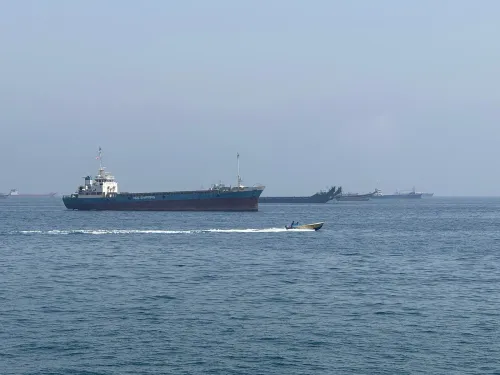
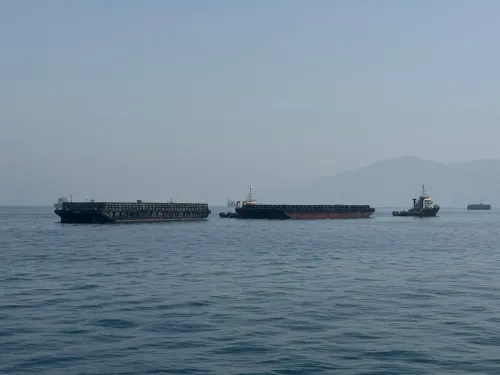
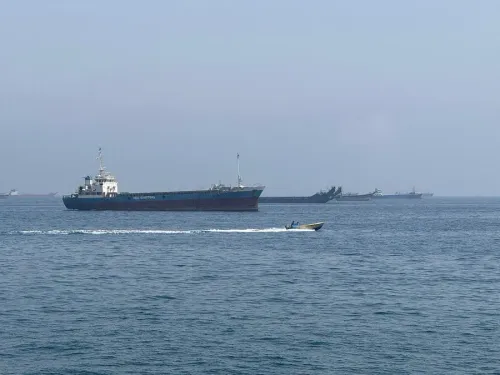
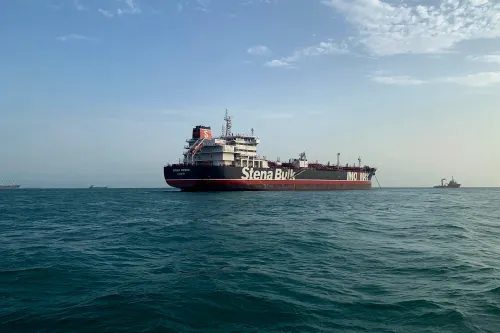
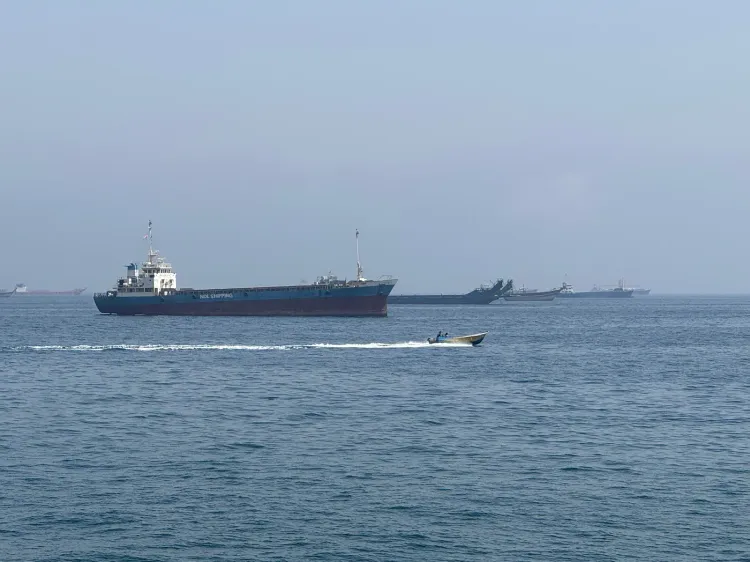
Two vessels belonging to Abu Dhabi National Oil Company (ADNOC) of the United Arab Emirates (UAE) were attacked while transiting the Strait of Hormuz on Thursday evening, according to local authorities and media reports that emerged early Friday, 14 August. No injuries have been reported, and the situation has reportedly been brought under control.
UAE Condemns the Attacks
The UAE Ministry of Foreign Affairs (MoFA) issued a sharp condemnation, attributing the attacks to Iran's Revolutionary Guard Corps. In a statement posted on social media, the Ministry called the incident a flagrant violation of UN Security Council Resolution 2817, which affirms the principle of freedom of navigation and prohibits the targeting of commercial vessels or the obstruction of international maritime routes.
The Ministry characterised Iran's use of the Strait of Hormuz as a tool of economic coercion as 'acts of piracy,' describing the attacks as a direct threat to regional stability and global energy security. The UAE called on Iran to halt what it termed 'unprovoked attacks' and demanded the 'complete and unconditional reopening' of the Strait.
ADNOC's Response
ADNOC confirmed in a separate statement that no crew members were injured and that the situation had been brought under control. The company stressed the importance of protecting the safety and well-being of seafarers and reiterated its commitment to freedom of navigation and maritime security. The specific vessels involved and the extent of any damage were not disclosed in initial reports.
Why the Strait of Hormuz Matters
The Strait of Hormuz is one of the world's most critical energy chokepoints, with an estimated 20% of global oil trade passing through it. ADNOC, a state-owned enterprise, is among the largest oil and gas producers globally and serves as the primary economic engine of the UAE. Any sustained disruption to tanker traffic through the Strait carries significant implications for international oil prices and regional security.
This comes amid heightened tensions in the Persian Gulf, with Iranian forces having a documented history of tanker seizures and attacks in the region. The incident marks a fresh escalation in what analysts describe as an ongoing pattern of maritime confrontation linked to broader geopolitical disputes.
What Happens Next
The UAE's invocation of UN Security Council Resolution 2817 signals that Abu Dhabi may seek multilateral diplomatic pressure on Tehran. Regional and international stakeholders, including major oil-importing nations, are expected to closely monitor further developments. The full extent of damage to the two vessels remains unclear pending a detailed assessment.
Point of View
Not just lodging a protest. What mainstream coverage underplays is the structural vulnerability: with roughly 20% of global oil flowing through the Strait of Hormuz, even a brief, controlled incident can move energy markets and embolden further brinkmanship. Iran has used tanker harassment as leverage before, and without a credible multilateral deterrent, the pattern is likely to repeat. The real question is whether the UN Security Council, fractured as it is, can translate Resolution 2817 into actual consequences for Tehran.
NationPress
28 Sept 2026
Frequently Asked Questions
What happened to the ADNOC tankers in the Strait of Hormuz?
Two vessels belonging to Abu Dhabi National Oil Company (ADNOC) were attacked while transiting the Strait of Hormuz on Thursday evening, 14 August. No injuries were reported, and ADNOC confirmed the situation was brought under control, though details on the specific vessels and extent of damage were not immediately disclosed.
Who carried out the attack on the ADNOC tankers?
The UAE Ministry of Foreign Affairs attributed the attacks to Iran's Revolutionary Guard Corps. Iran had not publicly responded to the accusation at the time of initial reports.
Why is the Strait of Hormuz strategically important?
The Strait of Hormuz is one of the world's most critical energy chokepoints, with an estimated 20% of global oil trade passing through it. Any sustained disruption to tanker traffic there carries significant implications for international oil prices and regional stability.
What is UN Security Council Resolution 2817?
UN Security Council Resolution 2817 affirms the principle of freedom of navigation and rejects the targeting of commercial vessels or the obstruction of international maritime routes. The UAE cited this resolution in condemning the attack as a flagrant violation of international law.
What has the UAE demanded from Iran following the attack?
The UAE has called on Iran to immediately halt what it described as unprovoked attacks, commit to a cessation of all hostilities, and ensure the complete and unconditional reopening of the Strait of Hormuz to safeguard regional security and global energy supply.