Puri joins Chandigarh padyatra, invokes 1984 Sikh atrocities
Synopsis
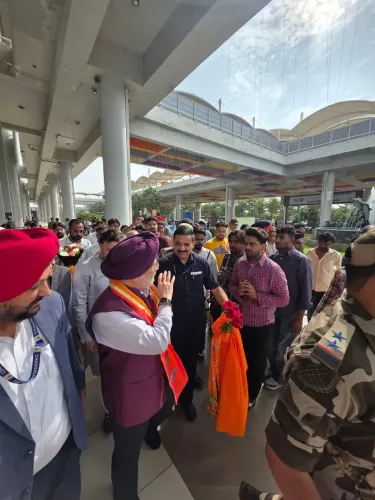
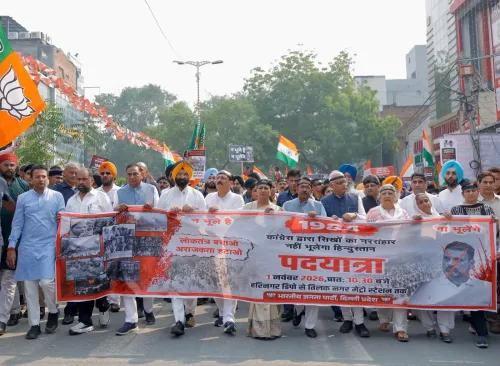
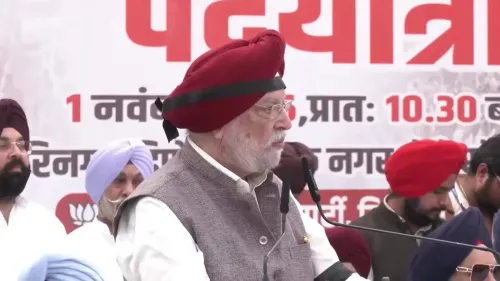
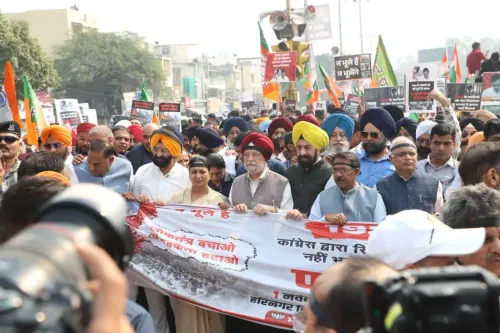
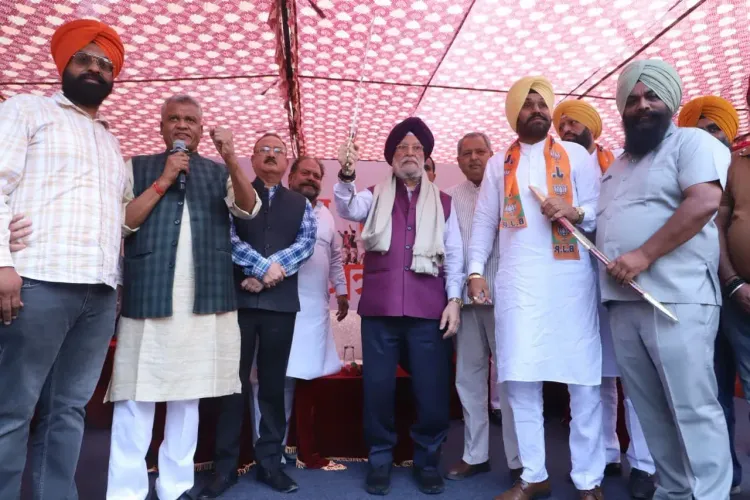
Union Petroleum Minister Hardeep Singh Puri marched with BJP workers and the Sikh Sangat in Manimajra, Chandigarh, at the 'Save Democracy, Remove Anarchy' padyatra, invoking 1984 anti-Sikh violence survivors and targeting Congress-led opposition street protests.
Key Takeaways
Union Petroleum Minister Hardeep Singh Puri participated in the लोकतंत्र बचाओ, अराजकता हटाओ पदयात्रा in Manimajra, Chandigarh on 12 November 2026 .
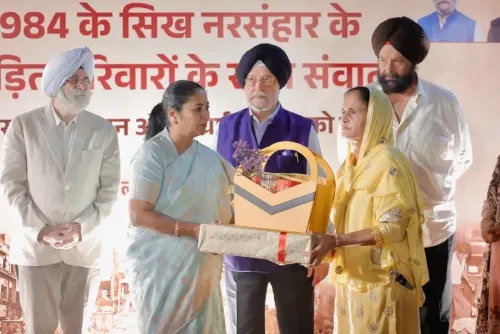
The march united BJP karyakartas and members of the Sikh Sangat in solidarity with survivors of the 1984 anti-Sikh pogroms .
Puri directly attacked the Congress-led opposition , accusing it of propagating 'politics of hate, chaos and anarchy' on the streets.
Senior attendees included Chandigarh State President J.P.
Malhotra , Mayor Saurabh Joshi , former presidents Sanjay Tandon and Arun Sood , and Delhi MLA Karnail Singh .
Puri linked the padyatra to the government's #ViksitBharat vision, framing PM Modi 's leadership as a guarantee of democracy and social inclusion.
The event follows a consistent BJP pattern of invoking 1984 to contrast Congress's historical record with the ruling party's governance narrative.
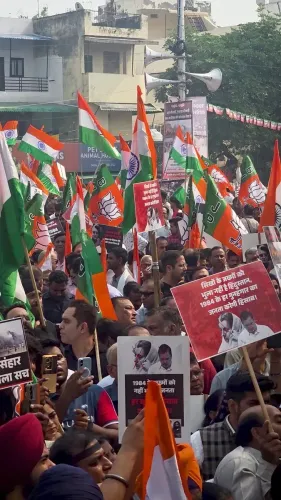
Thousands marched through Manimajra, Chandigarh on Thursday, 12 November 2026, as Union Petroleum Minister Hardeep Singh Puri joined BJP workers, party functionaries, and members of the Sikh Sangat in the 'लोकतंत्र बचाओ, अराजकता हटाओ पदयात्रा' — the 'Save Democracy, Remove Anarchy March' — turning the Union Territory's streets into a flashpoint of historical memory and sharp political contest.
A walk through memory — and a pointed political charge
Minister Puri framed the padyatra around two interlocking themes: solidarity with the survivors of the 1984 anti-Sikh violence and a direct challenge to what he called 'the politics of hate, chaos and anarchy being propagated by the Congress-led opposition on the streets.' The juxtaposition was deliberate. The November 1984 pogroms — which erupted following the assassination of Prime Minister Indira Gandhi on 31 October 1984 — left thousands of Sikhs dead, primarily in Delhi, and occurred under a Congress-led central government. For BJP, that history is never purely historical.
Puri wrote that the pain and struggle of survivors 'must never be forgotten, and their pursuit of justice must always remain alive even as many of them have overcome challenges and have been able to rebuild their lives.' The phrasing is careful — acknowledging resilience while keeping the demand for accountability firmly open.
Who walked with Puri in Manimajra
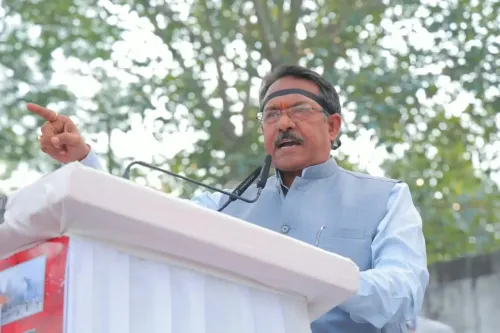
The gathering drew a cross-section of the party's Chandigarh and Delhi apparatus. BJP Chandigarh State President J.P. Malhotra, former Chandigarh presidents Sanjay Tandon and Arun Sood, Chandigarh Mayor Saurabh Joshi, and Chandigarh District President Bhupinder Singh Saini were among those on the march. Delhi MLA Karnail Singh also joined, underscoring that the event carried significance well beyond Chandigarh's boundaries.
BJP's '1984 card' — a long and consistent play
BJP leaders have consistently invoked the 1984 riots at public events to draw a contrast between Congress's historical record and what they present as their own commitment to social harmony and inclusive governance. The Chandigarh padyatra fits squarely into that pattern. By merging remembrance of 1984 with a critique of current opposition street mobilisation, the party signals that it regards both as expressions of the same Congress culture it wants voters to reject.
Puri anchored the forward-looking argument in Prime Minister Narendra Modi's leadership, saying the nation stands committed to 'democracy, peace and policies of social and financial inclusion' as India progresses towards #ViksitBharat — the government's vision of a developed India by 2047. The hashtag does double duty: it ties a one-day padyatra in Chandigarh to a decade-long national narrative.
With assembly elections in key states on the horizon and opposition parties intensifying street-level protests, Thursday's march in Manimajra is unlikely to be the last time BJP deploys the memory of 1984 as both a moral argument and an electoral weapon.
Point of View
Not a spontaneous gathering. By fusing historical grievance with present-day political critique, the party attempts to position Congress as chronologically and morally consistent in its alleged disregard for Sikh lives and democratic norms. The participation of a Union Cabinet minister of Puri's stature signals that this is coordinated national messaging, not local party activism. As opposition parties intensify their own street campaigns heading into electoral cycles, BJP's deployment of the 1984 frame is likely to sharpen — and so is the Congress counterargument that the BJP-RSS combine was itself hostile to the Sikh community in earlier decades.
NationPress
12 Nov 2026
Frequently Asked Questions
What is the 'Loktantra Bachao, Anarchya Hatao' padyatra in Chandigarh?
It is a BJP-organised march held in Manimajra, Chandigarh, on 12 November 2026 under the slogan 'Save Democracy, Remove Anarchy,' combining solidarity with 1984 anti-Sikh violence survivors and opposition to current Congress-led street protests.
Why did Hardeep Singh Puri join the Chandigarh padyatra?
Union Petroleum Minister Hardeep Singh Puri joined to express solidarity with 1984 Sikh riot survivors and to raise BJP's collective voice against what he described as the 'politics of hate, chaos and anarchy' propagated by the Congress-led opposition.
What happened to Sikhs in 1984?
Following the assassination of Prime Minister Indira Gandhi on 31 October 1984, anti-Sikh pogroms erupted across India — primarily in Delhi — leaving thousands dead under a Congress-led central government, an event BJP regularly invokes in political discourse.
Who else attended the Manimajra padyatra with Hardeep Puri?
BJP Chandigarh State President J.P. Malhotra, former Chandigarh presidents Sanjay Tandon and Arun Sood, Chandigarh Mayor Saurabh Joshi, Chandigarh District President Bhupinder Singh Saini, and Delhi MLA Karnail Singh were among the prominent attendees.
What is Viksit Bharat and why was it mentioned at the padyatra?
Viksit Bharat is the Modi government's vision of transforming India into a fully developed nation by 2047. Puri invoked it to connect the padyatra's pro-democracy message to the BJP's broader national governance narrative under Prime Minister Modi.