9 crore MSMEs risk exclusion under India's Scope 3 emissions reporting push: Study
Synopsis
A new study warns that India's push for mandatory Scope 3 emissions disclosures under SEBI's BRSR Core framework could expose more than 9 crore MSMEs to compliance costs they are ill-equipped to bear — and potentially exclude them from major corporate supply chains. With reporting infrastructure still fragmented and no national emissions-factor database in place, the credibility of India's climate disclosure regime hangs in the balance.
Key Takeaways
Over 9 crore MSMEs could face compliance challenges under India's Scope 3 emissions reporting mandate, according to the Chintan Research Foundation .
About 27% of major Indian companies already disclose value-chain emissions, above the global average of 15% , but inconsistencies in methodology persist.
The absence of a nationally validated emissions-factor database makes it hard to distinguish real decarbonisation from reporting changes.
MSMEs risk being pushed out of corporate supply chains if sudden compliance requirements raise costs without adequate support.
The CRF proposes a three-phase roadmap covering methodology standardisation, capacity building, and mandatory enforcement including carbon market integration.
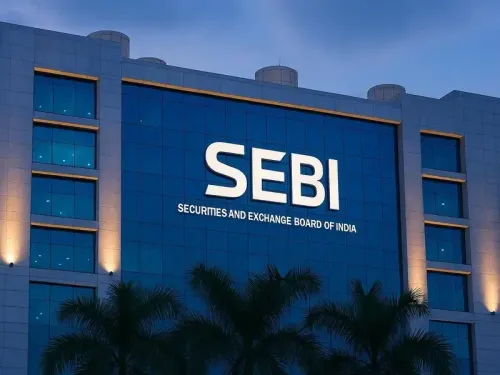
More than 9 crore MSMEs could face significant compliance challenges as India advances Scope 3 emissions reporting requirements under the Securities and Exchange Board of India's (SEBI) Business Responsibility and Sustainability Reporting (BRSR) Core framework, according to a study released by the Chintan Research Foundation (CRF) on 12 November 2026. The report warns that without adequate support mechanisms, smaller suppliers risk being pushed out of large corporate value chains entirely.
What the Study Found
The report, titled 'Building India's Scope 3 Architecture: A Phased Roadmap for Credible, Interoperable, and Equitable Emissions Accounting,' was authored by CRF researchers Shagun Mamgain and Sandra V. Kurian. It examines India's preparedness for value-chain emissions reporting as top-listed companies move toward mandatory Scope 3 disclosures under the BRSR Core framework.
According to the study, approximately 27% of major Indian companies already disclose value-chain emissions — well above the global average of 15%. However, the report flags substantial inconsistencies in how companies are reporting, with firms relying on a mix of international frameworks such as the Greenhouse Gas Protocol and Global Reporting Initiative (GRI) Standards without a unified national baseline.
The MSME Burden
The compliance pressure is expected to fall hardest on India's vast MSME sector, which forms a critical link in the supply chains of large corporations. Many smaller enterprises already operate under multiple regulatory and environmental obligations and often lack the technical expertise or dedicated teams needed to monitor and report greenhouse gas (GHG) emissions, the study noted.
Notably, MSMEs will increasingly need to reduce their own Scope 1 and Scope 2 emissions to remain competitive as suppliers, since these emissions directly influence the Scope 3 footprints of larger corporate buyers. While some large firms have launched supplier capacity-building programmes, the report finds these efforts remain piecemeal and insufficient at scale.
The Reporting Infrastructure Gap
The absence of a nationally validated emissions-factor database and standardised reporting boundaries has led to significant variations across disclosures, the report said. This makes it difficult to distinguish genuine decarbonisation progress from shifts in reporting methodology — a credibility risk that could undermine investor confidence and regulatory intent alike. This comes amid growing global momentum on mandatory climate disclosures, with the International Sustainability Standards Board (ISSB) frameworks gaining adoption across major economies.
A Three-Phase Roadmap
To address these gaps, the CRF study proposes a structured three-phase approach. Phase 1 focuses on methodology — standardising boundary protocols, identifying material categories through a sector-cluster approach, establishing a nationally validated emissions-factor database, and ensuring interoperability across reporting frameworks. Phase 2 centres on capacity building, including formalising anchor-firm-led supply-chain engagement, creating targeted MSME support mechanisms, and expanding the ecosystem of trained third-party auditors. Phase 3 envisions enforcement, with mandatory third-party verification, legally binding disclosure requirements, and integration with emerging carbon markets.
How swiftly the government and SEBI act on these recommendations will determine whether India's Scope 3 architecture becomes a credible climate accountability tool — or a compliance burden that sidelines its smallest businesses.
Point of View
But the implementation sequencing risks putting the cart before the horse. Mandating value-chain reporting before a national emissions-factor database exists or MSME capacity is built is less a climate policy and more a compliance trap for small businesses. The 27% disclosure rate among large firms sounds impressive until you realise the numbers are barely comparable across companies. If SEBI and the government do not move urgently on the CRF's Phase 1 infrastructure recommendations, India's Scope 3 architecture will produce disclosure volume without disclosure credibility — the worst of both worlds.
NationPress
12 Nov 2026
Frequently Asked Questions
What is Scope 3 emissions reporting and why does it affect MSMEs?
Scope 3 emissions refer to indirect greenhouse gas emissions across a company's value chain, including those from its suppliers. Under SEBI's BRSR Core framework, large listed companies in India are moving toward mandatory Scope 3 disclosures, which means their MSME suppliers will increasingly need to measure and report their own emissions to remain part of these supply chains.
What did the Chintan Research Foundation study find?
The study found that over 9 crore MSMEs could face significant compliance burdens as India advances Scope 3 reporting. It also flagged major inconsistencies in how Indian companies currently report emissions, noting the absence of a nationally validated emissions-factor database and standardised reporting boundaries.
How many Indian companies already disclose Scope 3 emissions?
According to the report, about 27% of major Indian companies already disclose value-chain emissions, which is significantly above the global average of 15%. However, the study cautions that inconsistent methodologies make these disclosures difficult to compare or verify.
What is the three-phase roadmap proposed in the report?
The CRF proposes Phase 1 focusing on standardising methodology and building a national emissions-factor database; Phase 2 on capacity building for MSMEs and expanding third-party auditor networks; and Phase 3 on enforcement through mandatory third-party verification, legally binding disclosures, and integration with carbon markets.
What could happen to MSMEs if they cannot meet Scope 3 compliance requirements?
Without adequate support mechanisms, sudden compliance requirements could raise costs for smaller businesses and potentially push some suppliers out of corporate value chains entirely, according to the study. This risks disrupting supply chains and marginalising India's smallest enterprises from the formal economy.