Centre readies MSME shield as West Asia crisis threatens exports, margins
Synopsis
India's MSME sector is staring at a dual squeeze — raw material shortages and margin compression — as the West Asia conflict rattles supply chains. With Crisil flagging a 100 bps growth slowdown and the Centre scrambling for a contingency framework, the backbone of India's economy faces its sharpest external test in years.
Key Takeaways
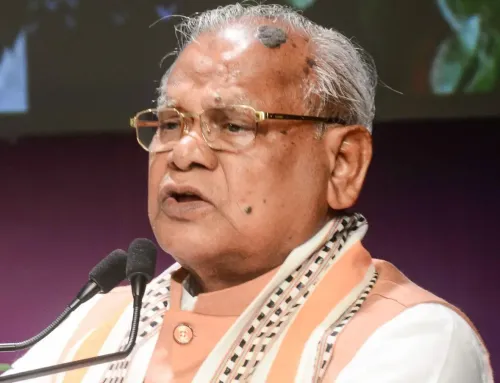
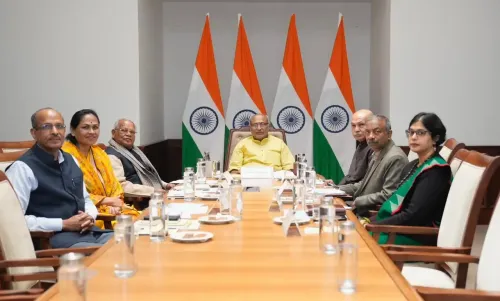
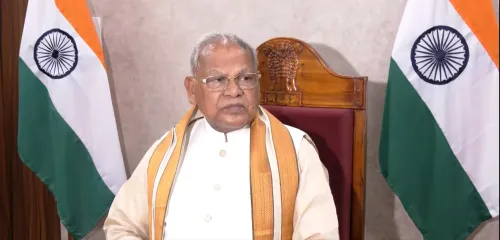
MSME Minister Jitan Ram Manjhi chaired a review on 3 June to draw up safeguards against the West Asia crisis fallout.
Officials directed to monitor risks to raw materials, exports, logistics and working capital.
Crisil projects MSME revenue growth at 7.5-8.5% this fiscal, down 100 bps versus fiscal 2026.
EBITDA margins to compress 50-100 bps to 5-5.5% .
Report covers 69 sectors , 147 clusters with ₹75 lakh crore aggregate revenue — about 20-25% of GDP.
Gems and jewellery segment cushions the outlook, aided by surging gold prices.
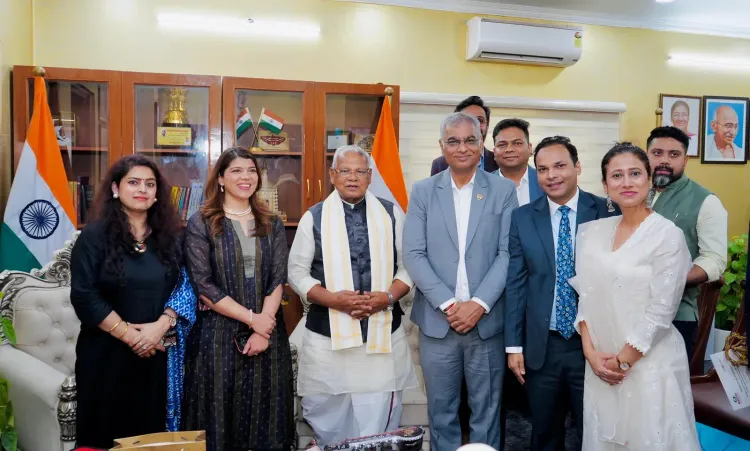
Union MSME Minister Jitan Ram Manjhi on 3 June chaired a high-level review in New Delhi to firewall India's micro, small and medium enterprises from the spillover of the deepening West Asia crisis, directing officials to draw up contingency plans on raw material supply, exports, logistics and working capital. The meeting comes as a fresh Crisil Intelligence report warns that the conflict will dent both revenue and profitability across the sector this fiscal.
What the Centre is planning
According to an official statement, Manjhi asked senior officials to closely monitor the evolving geopolitical situation and craft timely strategies for any disruption in the availability and pricing of raw materials, export shipments, transportation and credit access. The Minister described the MSME sector as the ‘backbone' of the Indian economy, citing its role in employment, manufacturing output and exports.
Government's policy backstop
Manjhi reiterated the Centre's commitment to safeguarding MSME entrepreneurs, pointing to existing interventions such as Aatmanirbhar Bharat, the Credit Guarantee Scheme for Micro and Small Enterprises (CGSMSE), digital empowerment push and financial inclusion measures. These, he said, have strengthened the sector's resilience and global competitiveness under Prime Minister Narendra Modi's leadership.
What Crisil's numbers show
The Crisil Intelligence MSME Report projects revenue growth will moderate to 7.5-8.5% this fiscal, down 100 basis points versus fiscal 2026, while EBITDA margins will compress 50-100 bps to 5-5.5%. The twice-a-year study covers 69 sectors and 147 clusters with aggregate revenue of ₹75 lakh crore — roughly 20-25% of India's GDP and two-thirds of the MSME universe.
Where the pain is concentrated
The report flags a dual squeeze: production cuts from reduced raw material availability including gas, and margin compression as trade disruptions raise commodity and energy costs that smaller firms cannot fully pass on. The outlook would have been bleaker but for the domestic gems and jewellery segment, which is seeing a value-led expansion on the back of surging gold prices.
What's next
Officials are expected to firm up a sector-specific response framework, with focus on credit lines, export facilitation and logistics support. Industry bodies are watching for any extension or recalibration of guarantee schemes if the West Asia situation escalates further.
Point of View
But the structural vulnerability of Indian MSMEs to every external shock — pandemic, Ukraine, now West Asia — points to an unfinished resilience agenda. Credit guarantees and digital onboarding have helped at the margin, but pricing power and energy exposure remain the sector's two weakest links. Crisil's 100 bps growth haircut is a measured forecast; the risk skews lower if shipping insurance costs and gas supply tighten further. The real test is whether contingency planning translates into deployable credit lines before stress shows up in NPA books.
NationPress
21 Oct 2026
Frequently Asked Questions
What did MSME Minister Jitan Ram Manjhi announce on 3 June?
Manjhi chaired a high-level review in New Delhi to plan safeguards for MSMEs against the West Asia crisis fallout. He directed officials to monitor raw material availability, export disruptions, logistics bottlenecks and working capital stress.
How will the West Asia crisis impact Indian MSMEs?
According to Crisil Intelligence, MSME revenue growth will slow to 7.5-8.5% this fiscal, down 100 basis points from fiscal 2026. EBITDA margins are expected to compress 50-100 bps to 5-5.5% on raw material shortages and limited pricing power.
Which government schemes support MSMEs currently?
Key interventions include Aatmanirbhar Bharat, the Credit Guarantee Scheme for Micro and Small Enterprises (CGSMSE), and broader digital empowerment and financial inclusion measures. Manjhi said these have improved the sector's resilience and global competitiveness.
Which MSME segment is bucking the slowdown?
The domestic gems and jewellery segment is seeing a value-led expansion, driven by a surge in gold prices. Crisil noted the overall MSME outlook would have been more subdued without this offset.
How large is the MSME footprint covered in the Crisil report?
The report spans 69 sectors and 147 clusters with aggregate revenue of ₹75 lakh crore. That represents roughly 20-25% of India's GDP and about two-thirds of the country's MSME universe.