India eyes $150 billion electronics exports by 2030: Commerce Secretary flags policy predictability

Synopsis
India has set a $150 billion electronics export target for 2030 — but Commerce Secretary Rajesh Agrawal's message at the Department of Commerce's Chintan Shivir was pointed: without policy predictability, global value chains will not commit. With MSMEs shut out of 90 per cent of global electronics trade and a semiconductor components gap still unaddressed, the gap between ambition and architecture remains wide.
Key Takeaways
Commerce Secretary Rajesh Agrawal called for policy predictability and stability to attract global value chains to India's electronics sector.
India is targeting $150 billion in electronics exports by 2030 , spanning smartphones, servers, specialty electronics, and components.
Global value chains account for nearly 90 per cent of global electronics trade; integrating MSMEs as suppliers is a stated priority.
Harmonisation of HS Codes and closer Customs coordination are being pursued to reduce misclassification and ease exports.
The Indian Institute of Foreign Trade (IIFT) is developing exporter training programmes incorporating live industry feedback.
Strengthening India's semiconductor and electronics components ecosystem was flagged as critical to moving beyond assembly-only manufacturing.
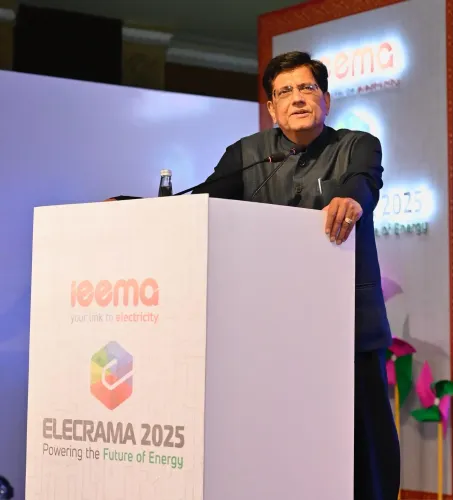
Commerce Secretary Rajesh Agrawal on 11 July called for a stable and predictable policy framework to attract global value chains into India's electronics manufacturing sector, saying the country must position itself as a credible long-term hub for export-oriented production. His remarks came at a Chintan Shivir organised by the Department of Commerce in New Delhi, convened to develop actionable policy recommendations for strengthening India's electronics manufacturing and export competitiveness.
The $150 Billion Target
Presentations at the Chintan Shivir outlined India's roadmap to achieving $150 billion in electronics exports by 2030, covering opportunities across smartphones, servers, specialty electronics, and components. The sessions were designed to lay the groundwork for detailed deliberations on the policy priorities needed to accelerate long-term growth and sharpen India's export edge. Agrawal noted that policy approaches for domestic-market production may differ significantly from those required to drive export-oriented manufacturing — a distinction he said policymakers must internalise.
Global Value Chains and the MSME Imperative
A central theme of the Chintan Shivir was the integration of micro, small and medium enterprises (MSMEs) into global value chains, which account for nearly 90 per cent of global electronics trade. Participants argued that enabling MSMEs to scale as suppliers to large manufacturers is essential if India is to move beyond assembly and embed itself deeper in the electronics value chain. This comes amid a broader global shift in supply chain diversification away from single-country dependency — a window India is widely seen as well-placed to exploit.
Regulatory Harmonisation and Market Access
Deliberations also focused on harmonising HS Codes and improving coordination with Customs authorities to reduce product misclassification and ease export flows. Special Secretary, Department of Commerce, Suchindra Misra stressed the need for focused marketing efforts to build visibility and acceptance of Indian electronics in strategic overseas markets. Misra added that the Indian Institute of Foreign Trade (IIFT) is developing training programmes for exporters, with industry feedback being incorporated to strengthen understanding of trade agreements, market access opportunities, and evolving global demand patterns.
Semiconductor and Components Ecosystem
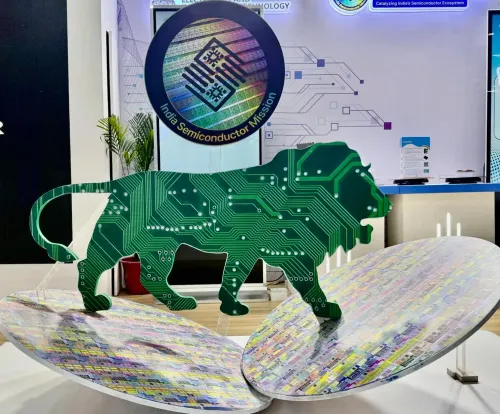
Separate presentations addressed the need to strengthen India's semiconductor and electronics components ecosystem — widely regarded as the missing link in India's electronics ambitions. Without a robust domestic components base, India risks remaining a final-assembly destination rather than a full-value-chain participant. The Chintan Shivir brought together senior government officials, industry leaders, policy experts, and stakeholders to deliberate on India's evolving electronics manufacturing landscape.
What Comes Next
The recommendations emerging from the Chintan Shivir are expected to feed into formal policy formulation by the Department of Commerce. With global electronics supply chains in active reconfiguration, the urgency to translate dialogue into binding, time-bound policy action has rarely been greater for India's export ambitions.
Point of View
But the Chintan Shivir's real signal is the acknowledgement of a structural gap: India's policy architecture has historically favoured domestic-market production over export competitiveness, and global value chains are unforgiving of that ambiguity. The MSME integration challenge is particularly underappreciated — 90 per cent of global electronics trade flows through value chains that Indian small manufacturers are largely absent from. Until the semiconductor and components ecosystem matures, India risks being a premium assembly floor rather than a genuine value-chain node. The test is not the target — it is whether the policy recommendations from this Chintan Shivir translate into binding, time-bound commitments rather than another layer of consultation.
NationPress
10 Oct 2026
Frequently Asked Questions
What is India's electronics export target and when must it be achieved?
India is targeting $150 billion in electronics exports by 2030 , as outlined in presentations at the Department of Commerce's Chintan Shivir held on 11 July in New Delhi. The roadmap covers smartphones, servers, specialty electronics, and components.
What did Commerce Secretary Rajesh Agrawal say at the Chintan Shivir?
Agrawal stressed that India's policy framework must offer predictability and stability for global value chains to expand their presence in the country. He also noted that policies for domestic-market production differ from those needed to drive export-oriented manufacturing.
Why is MSME integration into global value chains important for India's electronics sector?
Global value chains account for nearly 90 per cent of global electronics trade. Integrating MSMEs as suppliers to large manufacturers is seen as essential for India to move up the value chain and sustain export momentum beyond final assembly.
What regulatory steps are being considered to ease electronics exports from India?
Deliberations at the Chintan Shivir focused on harmonising HS Codes and improving coordination with Customs authorities to minimise product misclassification and facilitate smoother export flows.
What role is the Indian Institute of Foreign Trade playing in this push?
The Indian Institute of Foreign Trade (IIFT) is developing training programmes for exporters, incorporating industry feedback to strengthen understanding of trade agreements, market access opportunities, and evolving global demand patterns, according to Special Secretary Suchindra Misra.