Rijiju hails India-New Zealand Strategic Partnership
Synopsis
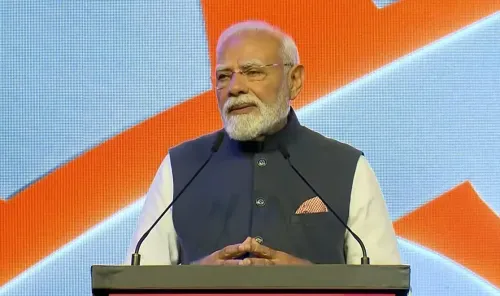
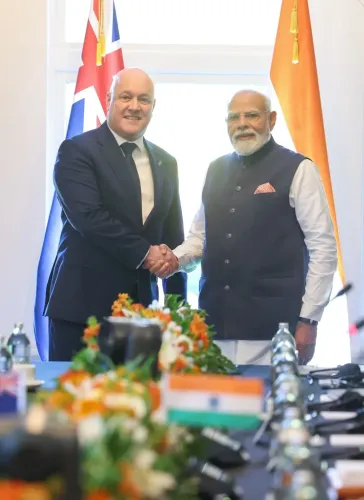
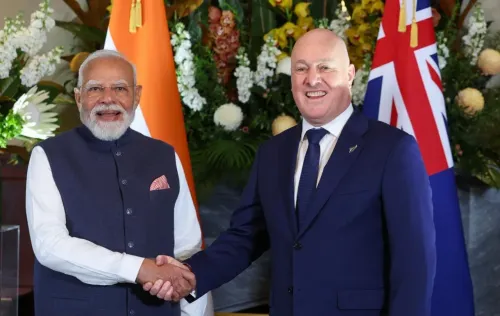
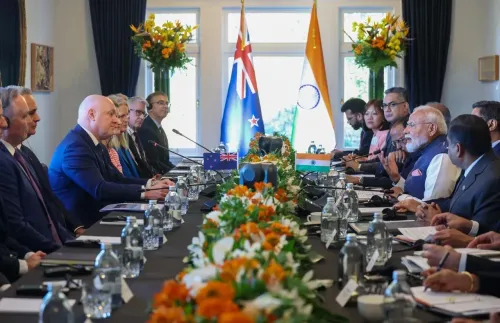
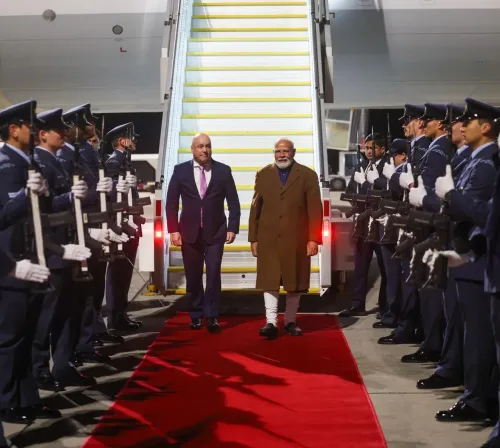
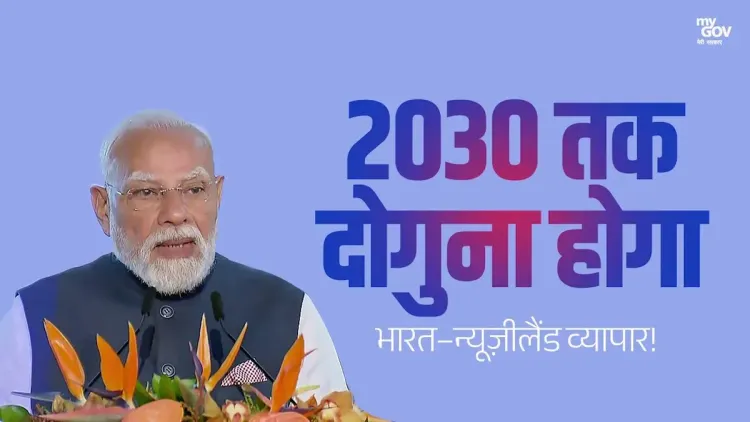
Union Minister Kiren Rijiju on 11 July 2026 quoted PM Modi announcing the elevation of India–New Zealand ties to a Strategic Partnership during a state visit to New Zealand, calling it a new resolve for a shared future between the two nations.
Key Takeaways
India and New Zealand have elevated bilateral ties to a Strategic Partnership level.
PM Narendra Modi described the upgrade as 'not merely a diplomatic milestone' but 'a new resolve for our shared future.' The announcement was made during PM Modi's visit to New Zealand , flagged on social media on 11 July 2026 .
The move fits India's broader Indo-Pacific strategy of formalising multi-domain cooperation with regional partners.
Key stakeholders include Indian businesses , New Zealand agricultural exporters , and the Indian diaspora in New Zealand .
Follow-up cooperation frameworks, joint statements, and parliamentary exchanges are expected in the coming weeks.
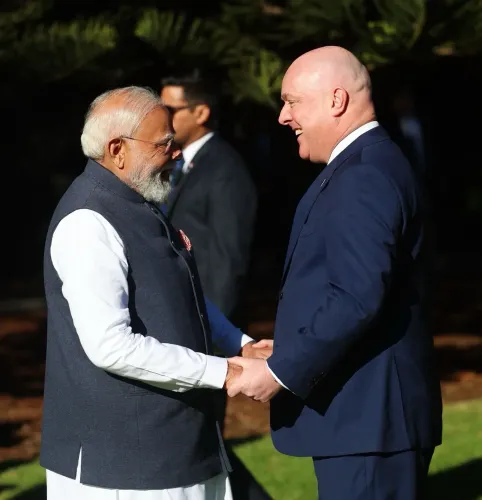
Union Parliamentary Affairs Minister Kiren Rijiju on Saturday, 11 July 2026, shared a statement by Prime Minister Narendra Modi marking the elevation of India–New Zealand ties to a Strategic Partnership, calling it a new resolve for a shared future between the two nations.
Context
Rijiju quoted PM Modi in Hindi: 'आज हम अपने संबंधों को Strategic Partnership के सूत्र में बांध रहे हैं' — 'Today we are binding our relations in the framework of a Strategic Partnership.' The post, tagged #PMModiInNewZealand, was shared during what appears to be a high-level state visit by the Prime Minister to Wellington.
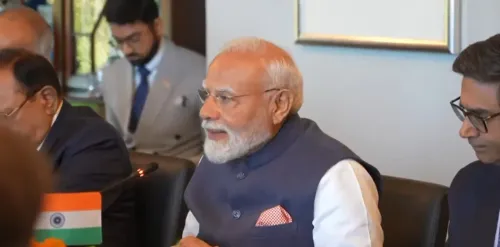
Modi described the development as 'not merely a diplomatic milestone' but 'a new resolve for our shared future' — language that signals intent to move beyond ceremonial ties toward structured, long-term cooperation.
Policy Backdrop
India and New Zealand share longstanding diplomatic, trade, and diaspora connections as fellow Commonwealth nations. Bilateral trade negotiations, including early discussions around a Free Trade Agreement initiated in 2010, have periodically sought to deepen economic integration between the two countries.
Elevating ties to a Strategic Partnership places New Zealand within a select group of Indo-Pacific partners with whom India has formalised multi-domain cooperation frameworks — spanning trade, security dialogue, and connectivity. This fits a consistent pattern of India's multi-alignment diplomacy, which seeks to expand its strategic footprint across the Pacific and beyond its immediate neighbourhood.
Stakeholders and Impact
Indian businesses with interests in technology, education, and services stand to gain from any enhanced cooperation frameworks that follow the partnership announcement. New Zealand's agricultural exporters, a major pillar of that country's economy, will watch closely for any movement on market access commitments.
The large Indian diaspora in New Zealand — one of the fastest-growing migrant communities in the country — also has a direct stake in stronger people-to-people ties, including potential easing of mobility and professional recognition arrangements.
What's Next
Attention will now turn to the specific cooperation frameworks, joint statements, or ministerial-level agreements that may have been signed during the visit. Parliamentary and ministerial exchanges are expected to follow as both sides operationalise the Strategic Partnership structure.
For India, the upgrade reflects a broader diplomatic push to anchor relationships across the Indo-Pacific in formal, institutionalised formats — a trajectory that is likely to continue with other regional partners in the months ahead.
Point of View
Not just diplomatic weight. Historically, India has used strategic partnership designations as anchor points for expanding trade, defence dialogue, and connectivity ties, making the follow-through on specific agreements the real test of this announcement's substance. The move also subtly reinforces India's multi-alignment posture at a time when Indo-Pacific alignments are under increased global scrutiny.
NationPress
11 Jul 2026
Frequently Asked Questions
What is the India-New Zealand Strategic Partnership announced in 2026?
India and New Zealand elevated their bilateral relationship to a Strategic Partnership during PM Narendra Modi's visit to New Zealand in July 2026, formalising cooperation across trade, security, and people-to-people ties.
What did PM Modi say about India-New Zealand relations during his New Zealand visit?
PM Modi stated that the two countries were 'binding their relations in the framework of a Strategic Partnership' and called it 'not merely a diplomatic milestone' but 'a new resolve for our shared future.'
Why did Kiren Rijiju post about PM Modi's New Zealand visit?
As a senior Union Minister and BJP leader, Kiren Rijiju shared PM Modi's statement on the India–New Zealand Strategic Partnership to amplify the diplomatic development among domestic audiences.
What does a Strategic Partnership mean for India and New Zealand?
A Strategic Partnership places New Zealand among a select group of countries with whom India has formalised structured, multi-domain cooperation — covering trade, security dialogue, connectivity, and parliamentary exchanges.
How does the India-New Zealand partnership fit India's foreign policy?
The upgrade is consistent with India's broader Indo-Pacific strategy of anchoring key bilateral relationships in formal cooperation frameworks, expanding its strategic presence across the Pacific region.