Government Ensures Supply Chain Stability Amid Global Challenges: Insights from Commerce Secretary
Synopsis
In the face of global uncertainties, the Indian government is committed to minimizing supply chain disruptions while supporting the pharmaceutical sector's growth, as highlighted by Commerce Secretary Rajesh Agrawal. This proactive approach aims to safeguard exports and imports amidst evolving geopolitical landscapes.
Key Takeaways
Government initiative to stabilize supply chains amid uncertainties.
Focus on pharmaceutical sector growth with a clear roadmap.
India’s pharmaceutical industry valued at over $60 billion .
Collaboration with stakeholders to address challenges.
Resilience in the face of global disruptions.
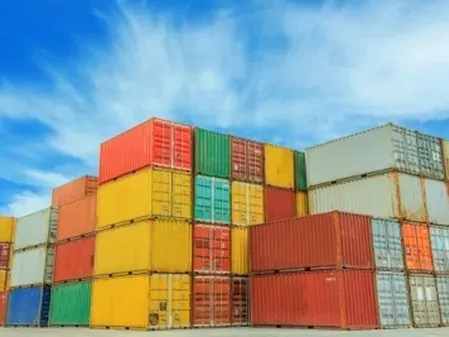
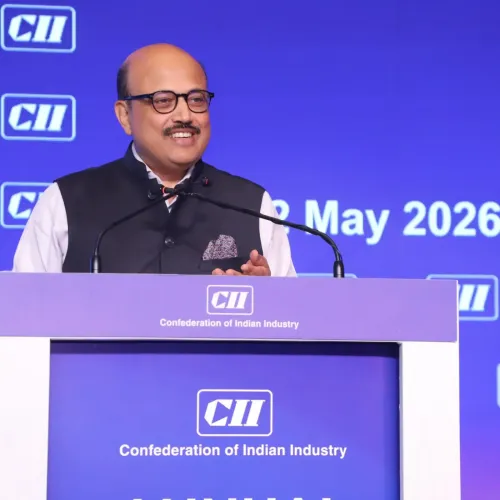
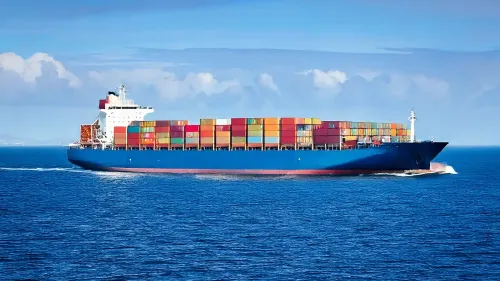
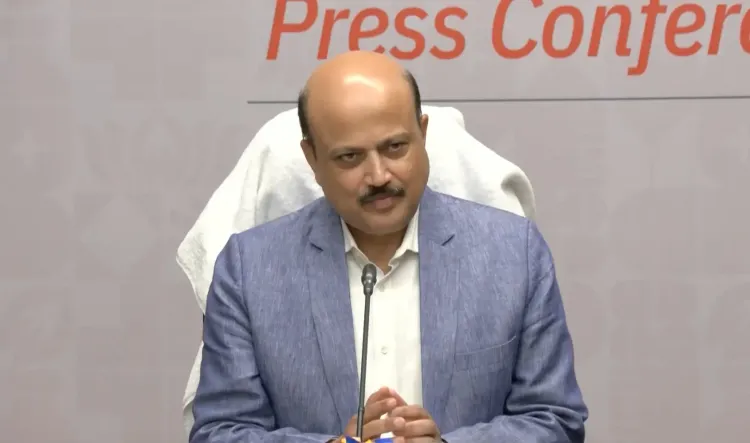
New Delhi, April 4 (NationPress) The Indian government is actively working to mitigate disruptions within supply chains amid global uncertainties while preparing for a possible decline in both exports and imports, stated Commerce Secretary Rajesh Agrawal on Saturday.
During a press briefing at the 'Chintan Shivir' session in Hyderabad, Agrawal emphasized that this initiative is designed to unite government and industry stakeholders to pinpoint challenges and create a definitive strategy.
The official highlighted that India is committed to maintaining its growth trajectory in pharmaceutical exports.
He mentioned that this effort, inspired by Prime Minister Narendra Modi’s vision, aims to clarify the roles and responsibilities of all parties involved through comprehensive consultations.
Agrawal pointed out that discussions are centered on preserving India’s leadership in emerging sectors such as biosimilars, biologics, and innovative drugs, while ensuring that both export and import supply chains remain robust and shielded from external disturbances.
India's pharmaceutical sector, valued at more than $60 billion, is a significant contributor to exports and the global healthcare supply chain.
Regarding the ongoing crisis in the Middle East, Agrawal indicated that it might affect energy supply chains, which are essential for the sector.
Nevertheless, he expressed confidence in the industry’s adaptability.
"India has a resilient and adaptable industry. We will tackle these challenges as they arise," he affirmed, adding that there is currently no immediate effect on prices.
Agrawal mentioned that the government will collaborate closely with industry stakeholders to tackle any emerging issues while ensuring that supplies remain uninterrupted.
Earlier this week, PM Modi chaired a meeting of the Cabinet Committee on Security (CCS) to evaluate the ongoing situation in West Asia and its potential implications for India’s national interests.
This marks the second CCS meeting since tensions escalated on February 28, 2026, following airstrikes by the US and Israel on Iranian targets and subsequent retaliatory measures, which have led to disruptions in the region, particularly in the Strait of Hormuz, causing volatility in global energy markets.
Point of View
The government's proactive measures to stabilize supply chains amidst global uncertainties reflect a commitment to the economy's resilience. By fostering collaboration with industry stakeholders, the government aims to ensure the pharmaceutical sector continues to thrive, even in challenging times.
NationPress
15 Sept 2026
Frequently Asked Questions
What steps is the government taking to ensure supply chain stability?
The government is working closely with industry stakeholders to identify challenges and create a clear roadmap to minimize disruptions.
Is the pharmaceutical sector affected by global uncertainties?
No, the pharmaceutical sector is currently unaffected and remains a key contributor to India's economy.
What is the current value of India's pharmaceutical industry?
India's pharmaceutical industry is valued at over $60 billion.
How is the government addressing potential challenges?
The government is conducting detailed consultations with stakeholders to define roles and responsibilities and ensure a robust supply chain.
What is the government's stance on the Middle East crisis?
The government acknowledges that the ongoing crisis may impact energy supply chains but remains confident in the industry's adaptability.