India's FTA strategy targets stable, future-ready global trade ties
Synopsis
India's Commerce Secretary used the CII Annual Business Summit 2026 to signal a clear pivot in FTA philosophy — away from headline tariff cuts and toward supply chain integration, regulatory cooperation, and long-term trade resilience. With global fragmentation accelerating, New Delhi is repositioning its trade agreements as strategic stability tools, not just market-access deals.
Key Takeaways
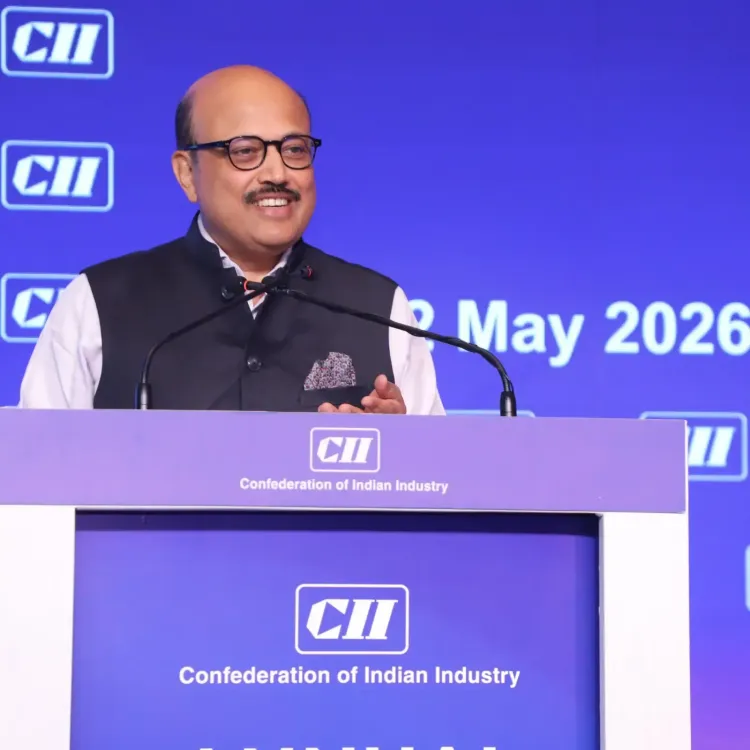
Commerce Secretary Rajesh Agrawal addressed the CII Annual Business Summit 2026 in Mumbai on Monday, 11 May .
India's FTA strategy is focused on stable, future-ready partnerships that integrate domestic industries into global value chains.
Modern FTAs go beyond tariff cuts to cover supply chain strengthening , regulatory cooperation , and investment flows .
Agrawal cited a fragmented global landscape and geopolitical tensions as drivers of India's emphasis on trade resilience.
Earlier remarks at a Chintan Shivir in Hyderabad highlighted a focus on pharmaceuticals and export-import supply chain durability.
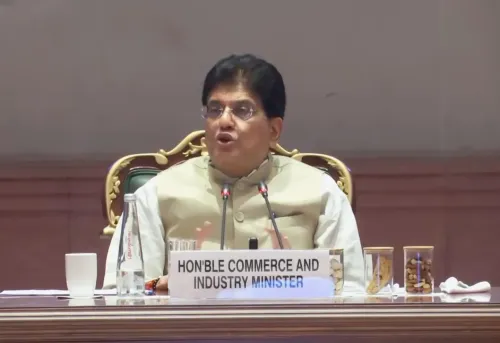
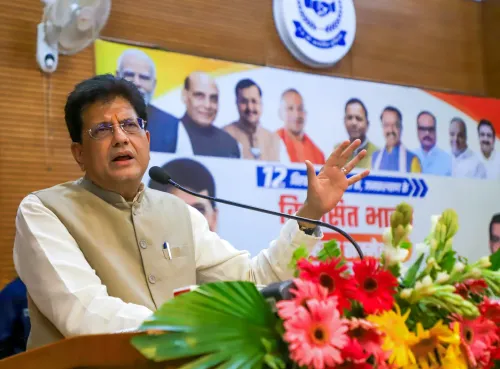
Commerce Secretary Rajesh Agrawal on Monday said India's approach to Free Trade Agreements (FTAs) is focused on building stable and future-ready partnerships that enable domestic industries to integrate more effectively with global value chains. He was speaking at the CII Annual Business Summit 2026 in Mumbai, at a session titled 'FTAs as Catalysts for Growth in Global Trade'.
Key Message: Beyond Tariffs
Agrawal stressed that modern trade agreements have evolved well past tariff reductions. According to the Commerce Secretary, FTAs now play a broader role in strengthening supply chains, improving regulatory cooperation, boosting investment flows, and supporting sustainable economic growth.
"The goal of our FTAs is to create a predictable trade environment for investors and a right foundation for both domestic and international trade," Agrawal stated. He added that the government is "working beyond tariffs to ensure stability and sustainability, building a trade ecosystem that fosters long-term growth."
Why India Is Doubling Down on Trade Resilience
Agrawal's remarks come at a time when global trade and supply chains face mounting uncertainty, driven by geopolitical tensions and disruptions in key regions. "In an increasingly fragmented global landscape, trade resilience, long-term predictability, and trusted partnerships have become more important than ever," he said.
This is consistent with the broader posture India has adopted in recent months. Earlier, Agrawal had said the government was working closely with industry stakeholders to minimise supply chain disruptions and maintain resilience amid global uncertainties — a line that has become a recurring theme across senior commerce ministry briefings.
Sector Focus and Earlier Remarks
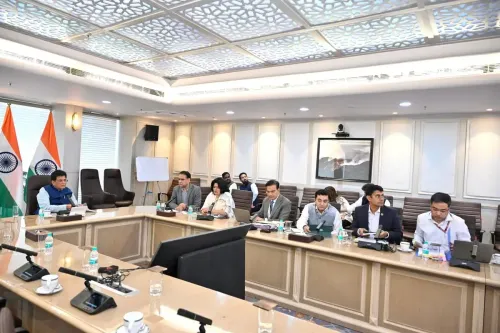
Addressing a 'Chintan Shivir' session in Hyderabad last month, Agrawal had stated that India remains focused on sustaining growth in sectors such as pharmaceuticals while strengthening both export and import supply chains against external shocks. The consistent messaging across forums signals a deliberate effort by the Commerce Ministry to align industry expectations with the government's FTA negotiation priorities.
What This Means for Industry
Agrawal said India's FTA framework is aimed at helping industries become more competitive globally and integrate seamlessly into evolving global supply chains. For domestic manufacturers, this signals that upcoming FTA negotiations will likely prioritise non-tariff measures, standards harmonisation, and supply chain integration over headline duty cuts alone.
With several FTA negotiations — including those with key partners in Europe and the Indo-Pacific — at various stages, the Commerce Secretary's articulation of India's strategic intent is likely to shape the next phase of trade diplomacy.
Point of View
Long the headline metric of any FTA, are now positioned as table stakes rather than the end goal. The shift toward supply chain integration and regulatory convergence reflects a more sophisticated trade posture — but also a harder negotiating challenge, since non-tariff barriers are far more politically entrenched than duties. India's FTA pipeline includes complex partners in Europe and the Indo-Pacific where regulatory alignment will be contested. Whether the Commerce Ministry can translate this strategic vision into concluded agreements — rather than perpetual negotiations — remains the real test.
NationPress
24 Sept 2026
Frequently Asked Questions
What is India's current approach to Free Trade Agreements?
India's FTA strategy, as articulated by Commerce Secretary Rajesh Agrawal, focuses on building stable and future-ready partnerships that help domestic industries integrate into global value chains. The approach goes beyond tariff reductions to include supply chain strengthening, regulatory cooperation, and sustainable economic growth.
Why did Commerce Secretary Rajesh Agrawal address the CII Annual Business Summit 2026?
Agrawal spoke at the CII Annual Business Summit 2026 in Mumbai at a session on 'FTAs as Catalysts for Growth in Global Trade' to outline the government's FTA philosophy and signal India's trade priorities amid global uncertainty. His remarks reinforced a consistent Commerce Ministry message on resilience and long-term predictability.
How have India's FTA priorities shifted in recent years?
India has moved from a primarily tariff-focused FTA model to one that emphasises non-tariff measures, supply chain integration, and regulatory cooperation. Agrawal indicated that the goal is now to create a predictable trade environment for investors and a strong foundation for both domestic and international commerce.
Which sectors has India highlighted as priorities in its trade resilience strategy?
Pharmaceuticals has been specifically cited by Agrawal as a key sector where India is focused on sustaining growth and strengthening supply chains against external shocks, as mentioned at a Chintan Shivir session in Hyderabad last month.
What is the broader context for India's FTA push?
India's renewed FTA emphasis comes amid rising geopolitical tensions and global supply chain disruptions. With several negotiations underway with European and Indo-Pacific partners, the government is positioning FTAs as tools for long-term trade stability rather than short-term market access gains.