Will FTAs Propel Indian Professional Services into Global Markets?
Synopsis
Discover how legally binding commitments in free trade agreements (FTAs) can revolutionize Indian professional services, providing unprecedented access to global markets. With expert insights from Commerce Secretary Rajesh Agrawal, learn about the potential for economic growth and the importance of skill enhancement in meeting international demands.
Key Takeaways
Legally binding commitments under FTAs can unlock global markets for Indian services.
Enhanced stakeholder coordination is vital for success.
India's demographic advantage presents a significant opportunity.
Skill enhancement and adoption of global best practices are essential.
Collaboration among professional bodies can lead to knowledge sharing and innovation.
New Delhi, Dec 24 (NationPress) Legally binding commitments regarding professional services within various free trade agreements (FTAs) are set to unlock global markets for Indian professional services, according to an official statement released on Wednesday.
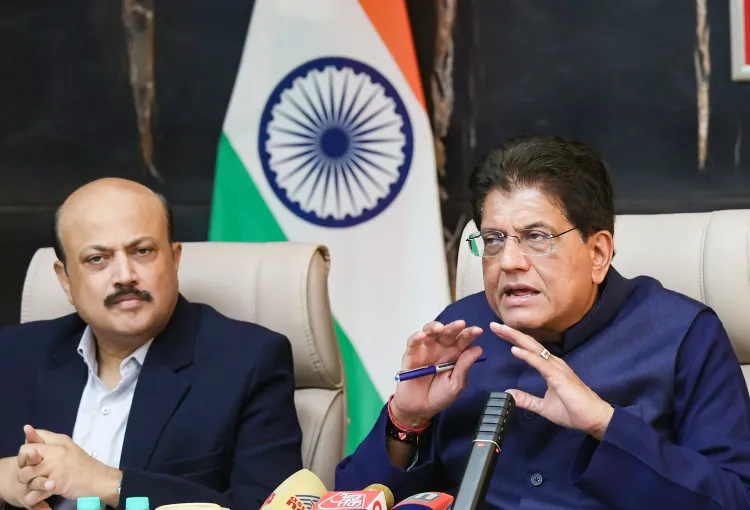
Commerce Secretary Rajesh Agrawal highlighted the critical need for enhanced stakeholder coordination, reforms within the domestic ecosystem, and legally binding obligations concerning professional services under diverse FTAs.
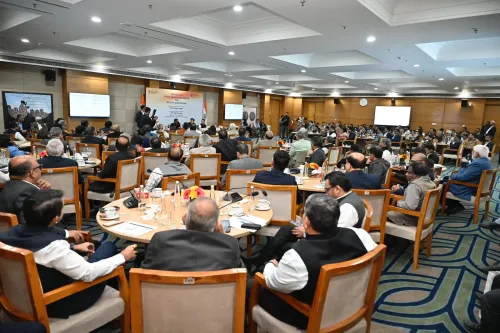
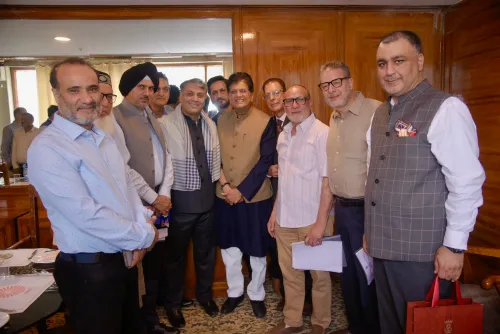
While addressing the ‘Chintan Shivir on Professional Services’ in New Delhi, Agrawal also pointed out the significance of services trade in boosting India’s economic growth, noting its substantial contribution to domestic value addition alongside merchandise exports.
Agrawal asserted that India’s demographic advantage presents a tremendous opportunity to meet the escalating global demand for professional services.
He stressed that to harness this potential, it is essential to adopt global best practices and ensure that professionals are equipped with upgraded skills that align with the evolving demands of the global market and technological advancements.
The Commerce Secretary remarked that increasing openness in international trade for professional services would bolster competitiveness in India’s economy. He encouraged professional organizations to organize and engage in international conferences to facilitate knowledge sharing and foster collaboration.
The Chintan Shivir served as a platform for professional bodies to exchange insights on global best practices and peer practices within India.
“Several areas were identified where professional organizations could reassess current rules and regulations governing professional practices and implement necessary changes in training and skill enhancement programs to align with the rapid developments in artificial intelligence and technology,” stated a release from the Commerce Ministry.
The ICAI playbook received considerable appreciation for its dynamic and market-oriented infrastructure, including chapters, an international directorate, and certification courses focused on technology and AI.
The initiatives by the Indian Nursing Council aimed at increasing international market access for Indian nurses were acknowledged, especially considering the regulatory hurdles in many advanced economies within the health sector.
Discussions surrounding Mutual Recognition Agreements (MRAs) focused on the primary challenges related to entering into MRAs and ensuring effective utilization of the existing ones. In the context of Global Capability Centres and the swift scaling of digitally delivered services, the significance of MRAs in shaping India’s professional services export strategy was also deliberated.
As for leveraging FTAs, discussions revolved around future-proofing the digital delivery of professional services, alongside mobility-related provisions and horizontal domestic regulations concerning qualification requirements and procedures.
Point of View
It's imperative to acknowledge the strategic importance of FTAs in expanding the reach of Indian professional services. The government's proactive approach in enhancing stakeholder coordination and adopting global best practices is commendable. This initiative not only promises to boost economic growth but also positions India favorably in the competitive global market.
NationPress
29 Sept 2026
Frequently Asked Questions
How can FTAs benefit Indian professional services?
FTAs can provide Indian professional services with greater access to international markets and enhance their global competitiveness.
What role does skill enhancement play in this context?
Skill enhancement is crucial for professionals to meet the evolving demands of the global market and adopt international best practices.
What are Mutual Recognition Agreements (MRAs)?
MRAs are agreements between countries to recognize each other's professional qualifications, facilitating easier access to foreign markets.
Why is collaboration between professional bodies important?
Collaboration allows for knowledge sharing and the adoption of best practices, which are vital for enhancing the quality and competitiveness of professional services.