Piyush Goyal: FTAs Unlock New Horizons for Pharma and Healthcare
Synopsis
Discover how India's Free Trade Agreements (FTAs) are revolutionizing the pharmaceutical and healthcare sectors. Piyush Goyal discusses the tremendous potential these agreements hold for global trade and economic growth in India.
Key Takeaways
FTAs are vital for enhancing India's pharmaceutical and healthcare sectors.
India has signed nine FTAs in recent years, opening two-thirds of global trade.
Active utilization of FTAs is crucial for realizing their benefits.
MSMEs will play a key role in improving quality standards for exports.
The Indian economy has the potential to reach $30 trillion in the coming decades.
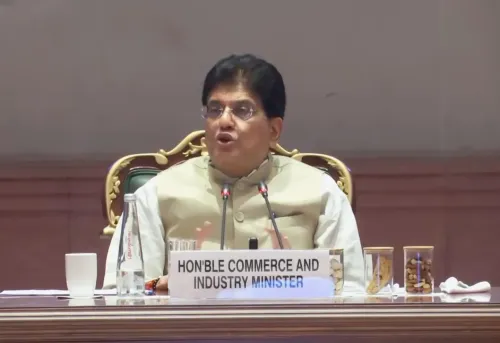
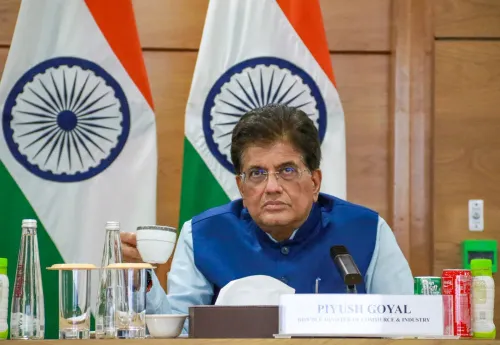
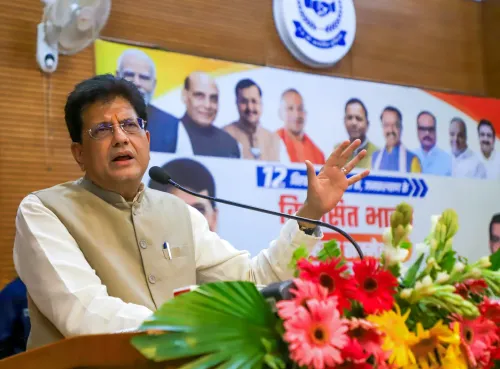
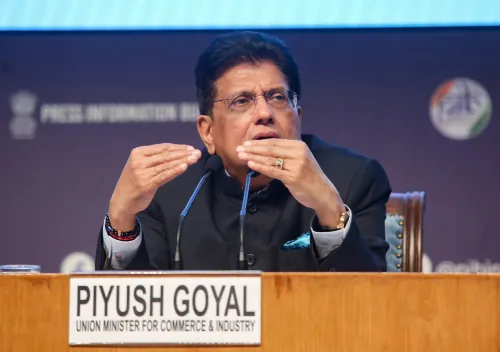
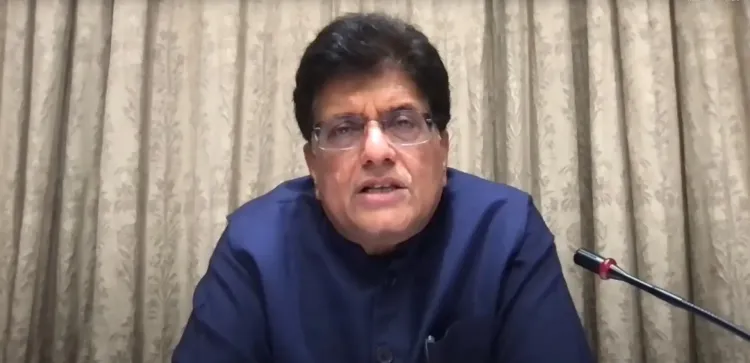
New Delhi, March 9 (NationPress) - Commerce and Industry Minister Piyush Goyal announced on Monday that India’s Free Trade Agreements (FTAs) are paving the way for enhanced prospects in the pharmaceutical, healthcare, and medical technology sectors, simultaneously bolstering the nation's presence in global commerce.
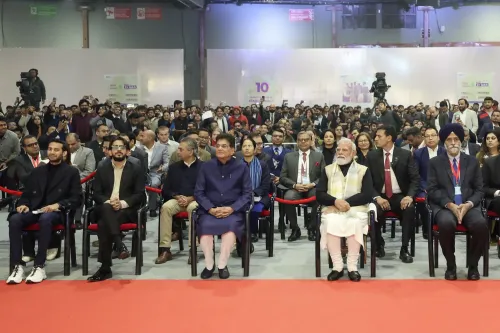
Speaking at the post-Budget Webinar 2026 themed 'Sabka Saath Sabka Vikas: Fulfilling Aspirations of People', Goyal highlighted that under the guidance of Prime Minister Narendra Modi, India has successfully finalized nine FTAs over the last three to three-and-a-half years, with five concluded in the past year alone. Consequently, approximately two-thirds of global trade is now accessible to India.
He emphasized that these agreements grant India preferential access, featuring reduced tariffs and broadened market prospects, thus unlocking new pathways for increased trade.
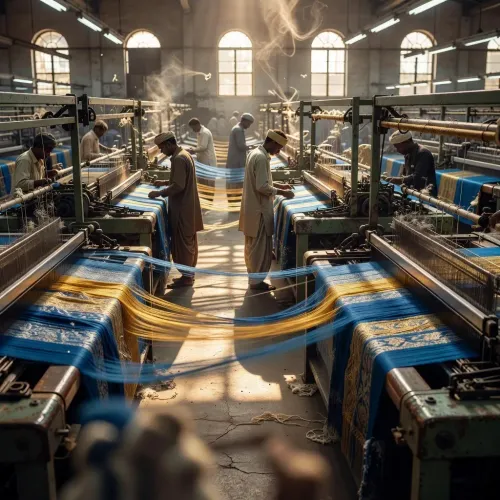
Goyal stated that FTAs are not just advantageous for larger industries; they also positively impact farmers, fishermen, MSMEs, small businesses, and traders. He noted that these agreements particularly benefit sectors such as pharmaceuticals and the med-tech industry, which produces medical equipment, while also creating new global opportunities for professionals engaged in innovation and emerging technologies. He remarked on India's robust standing in the pharmaceutical arena, dubbing the country the 'Pharmacy of the World'.
Goyal asserted that the advantages of FTAs will only be fully realized when businesses and institutions leverage them effectively. While the government can facilitate opportunities, the impetus for trade and business must come from the industry itself. He advocated for building a comprehensive healthcare ecosystem that integrates manufacturing, innovation, startups, and medical institutions. This cohesive system will empower India to harness the full potential of the opportunities presented by FTAs.
He further noted that MSMEs will play a crucial role in this endeavor, particularly concerning quality enhancement. Strengthening quality standards and testing facilities will ensure that products exported from India elevate the Brand India image and showcase its global capabilities.
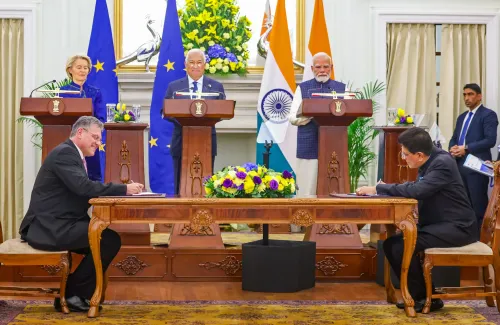
Goyal mentioned that India has either finalized agreements or is in negotiations with prominent economies and regions, including the United States, European Union, United Kingdom, Australia, and New Zealand, along with the European Free Trade Association countries—Switzerland, Norway, Liechtenstein, and Iceland. Agreements have also been established with the United Arab Emirates and Oman, while all six nations of the Gulf Cooperation Council have shown interest in forming agreements with India. He added that discussions with Canada are progressing swiftly, alongside talks with Mercosur nations in Latin America and the Eurasian Economic Union.
Goyal pointed out that the increasing global interest in fostering trade relations with India underscores the recognition of the country’s economic potential. He noted that the Indian economy, currently valued at around $4 trillion, could soar to nearly $30 trillion in the next 20 to 25 years, presenting a significant opportunity for global economic collaboration.
The minister underscored the importance of linking the healthcare sector more robustly with exports. He highlighted the necessity for India to concentrate on training skilled professionals like caregivers and nurses, who are in high demand both domestically and internationally. By enhancing skill development, India can cultivate a workforce that supports exports, boosts remittances, and facilitates the global outreach of Indian products and services.
Point of View
The emphasis on India's expanding trade relations through FTAs highlights a strategic shift towards enhancing its economic landscape. The focus on integrating various sectors, including healthcare and pharmaceuticals, reflects a comprehensive approach to national growth, prioritizing both innovation and quality.
NationPress
19 Sept 2026
Frequently Asked Questions
What are Free Trade Agreements (FTAs)?
Free Trade Agreements (FTAs) are treaties between two or more countries that reduce barriers to trade and facilitate economic cooperation.
How do FTAs benefit India?
FTAs provide India with preferential access to global markets, lower tariffs, and expanded trade opportunities, especially in sectors like pharmaceuticals and healthcare.
Which countries has India signed FTAs with?
India has signed FTAs with several countries, including the United States, the European Union, the United Kingdom, Australia, and the UAE.
What role do MSMEs play in FTAs?
MSMEs are crucial in leveraging FTAs by enhancing product quality and expanding their market reach, contributing significantly to India's trade growth.
What is the future economic potential of India?
The Indian economy, valued at around $4 trillion, is projected to grow to nearly $30 trillion in the next 20 to 25 years, offering vast opportunities for trade.