Will FTAs Compromise National Interest? Piyush Goyal Weighs In
Synopsis
Piyush Goyal, the Commerce and Industry Minister, highlighted that India's free trade agreements will prioritize national interests while promoting trade. His statements come amid critical negotiations with the US aimed at avoiding significant tariff hikes. Discover how these agreements aim to benefit local industries while fostering international trade relations.
Key Takeaways
India’s FTAs prioritize national interest.
Trade agreements will ensure reciprocal benefits.
Sensitive sectors will be protected during negotiations. 'Vocal for Local' initiative aims to boost local products globally.
India focuses on fair competition and economic resilience.
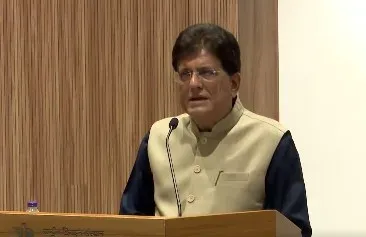
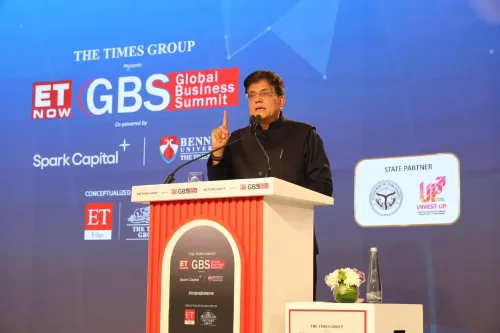
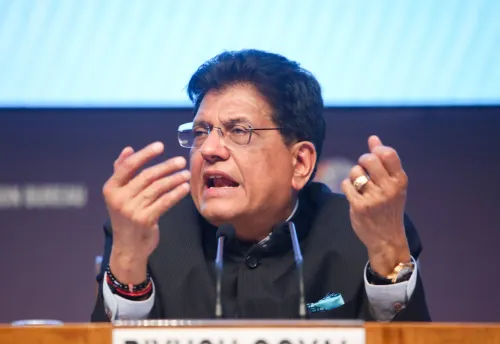
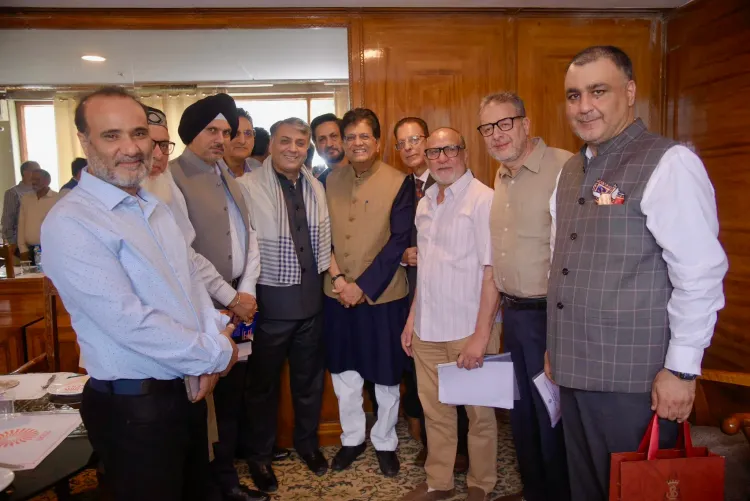
Srinagar, July 6 (NationPress) Commerce and Industry Minister Piyush Goyal emphasized on Sunday that India's free trade agreements (FTAs) will never jeopardize national interest.
During his address at the FTII Traders Conclave in Srinagar, Goyal highlighted the government's commitment to ensuring that all trade agreements are reciprocal and safeguard the interests of Indian traders and manufacturers.
"An FTA is established to allow our local products duty-free entry into other nations and to eliminate barriers to market access. However, it’s essential that FTAs involve two-way trade. It wouldn’t be fair for them to open their markets to our goods while we do not reciprocate," he stated.
Delivering a clear message to regional traders, the minister insisted that the Centre will not compromise on sensitive sectors or regional concerns while negotiating market access with foreign partners. "Traders need not fear. Every FTA we finalize will consider the interests of Jammu & Kashmir and the entire nation," he reassured.
Goyal’s remarks come in light of ongoing India-US discussions aimed at finalizing a bilateral free trade agreement before the impending July 9 deadline, which could trigger a 26% hike in US tariffs on Indian exports. A trade agreement would exempt Indian exports from this tariff increase.
The minister noted that while India is eager to boost trade, all agreements will be designed to ensure fair competition, domestic capacity building, and long-term economic resilience.
He also mentioned that the government is championing the 'Vocal for Local' initiative, ensuring that local products achieve global reach.
"Our strategy supports both 'Make in India' and 'Make for the World'," Goyal remarked.
Earlier this week, the minister stated that India does not enter into trade agreements based on deadlines, but rather on mutual benefit and national interest.
On Friday, India informed the World Trade Organisation (WTO) of its intention to implement retaliatory tariffs on selected US-origin products in response to America's recent duty hike on automobiles and certain auto parts.
Point of View
It is clear that Piyush Goyal's statements reflect a balanced approach towards international trade. The government's focus on safeguarding national interests while pursuing free trade agreements sends a strong message that India values its local industries and regional concerns. This careful navigation between global market access and domestic protection is crucial for sustainable economic growth.
NationPress
19 Sept 2026
Frequently Asked Questions
How do FTAs benefit India?
FTAs can provide Indian goods with duty-free access to foreign markets, enhance competitiveness, and promote economic growth.
Will sensitive sectors be protected under FTAs?
Yes, the government, as emphasized by Piyush Goyal, will not compromise on sensitive sectors while negotiating FTAs.
What is 'Vocal for Local'?
'Vocal for Local' is an initiative aimed at promoting local products and ensuring they gain a foothold in global markets.
What are the implications of the India-US trade agreement?
The India-US trade agreement aims to prevent a significant increase in tariffs on Indian exports, thereby protecting local industries from potential trade barriers.