US lawmakers urge Trump to raise China detentions with Xi
Synopsis
A bipartisan group of senior US lawmakers has formally urged President Trump to confront Xi Jinping over political detentions — including a Uyghur doctor serving 20 years and a pastor whose US family has been threatened into silence. With US-China talks imminent, the CECC is signalling that human rights cannot be traded away for a deal on tariffs or AI.
Key Takeaways
The Congressional-Executive Commission on China (CECC) released a bipartisan letter on 12 May urging President Trump to raise political detentions with Xi Jinping .
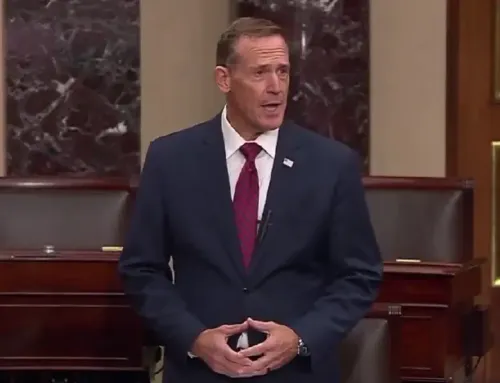
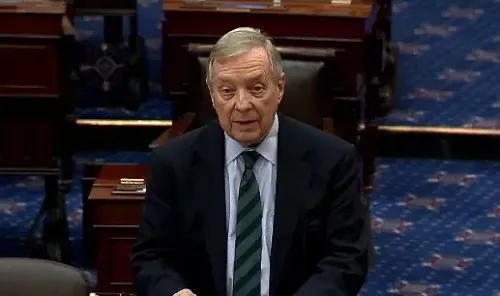
Signatories include Senator Dan Sullivan , Representative Chris Smith , Senator Jeff Merkley , and Representative James McGovern .
Four specific cases highlighted: pastor Mingri "Ezra" Jin , Uyghur physician Dr Gulshan Abbas (serving 20 years ), Uyghur entrepreneur Ekpar Asat , and permanent resident Gao Zhen .
The CCP was accused of "hostage diplomacy, coercive exit bans, and transnational repression" targeting US citizens and their families.
Senator Bernie Sanders separately urged Trump and Xi to cooperate on AI safety, calling for a "treaty to ban superintelligence." The CECC was established by the US Congress in 2000 and maintains a widely-used political prisoner database.
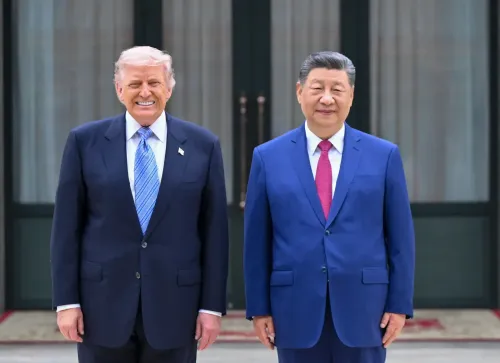
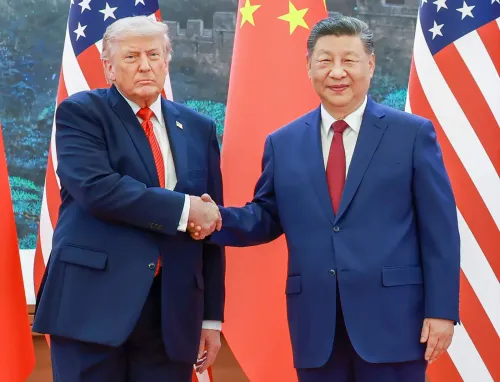
Senior bipartisan US lawmakers have urged President Donald Trump to personally raise the cases of political prisoners and unjustly detained Americans with Chinese President Xi Jinping during their upcoming talks, warning that Beijing's actions threaten American interests and families. The appeal, made public on Monday, 12 May, comes ahead of anticipated high-level US-China engagements and marks a rare show of cross-party unity on human rights.
The Bipartisan Letter
The Congressional-Executive Commission on China (CECC) released the letter signed by Senator Dan Sullivan, Representative Chris Smith, Senator Jeff Merkley, and Representative James McGovern. The commission accused the Chinese Communist Party (CCP) of increasingly deploying "hostage diplomacy, coercive exit bans, and transnational repression" against US citizens, lawful permanent residents, and their relatives.
"The CCP is not only punishing an individual," the lawmakers wrote. "It is sending a message both at home and abroad that it can control the lives of people in China and reach into American families and influence conduct in the United States."
Four Cases Lawmakers Want Raised
The letter specifically asked Trump to raise four cases in all high-level engagements with Xi. These included Pastor Mingri "Ezra" Jin, described as "a Protestant pastor imprisoned for his religious leadership," whose family in the United States "has been threatened in an effort to stop them from raising his case with the White House and the Department of State."
Dr Gulshan Abbas, a Uyghur physician serving a 20-year sentence, was also highlighted. According to the letter, she was detained "in order to intimidate and silence her sister, who advocates here in the United States for Uyghur human rights." The other cases cited were Uyghur entrepreneur Ekpar Asat and Gao Zhen, a US lawful permanent resident accused over artwork created in the United States — whose US-citizen child "has been barred from returning to his home in New York City."
The lawmakers argued that raising individual cases publicly and privately would help protect Americans and increase pressure on Chinese authorities. "Raising political prisoner cases at the highest levels is a low-cost, high-return instrument that raises the price of repression," the letter stated.
Broader List of Detainees
An attached addendum named a wider group of detainees and activists, including Hong Kong democracy advocate Chow Hang-tung, Uyghur scholar Ilham Tohti, Chinese journalist Zhang Zhan, Christian pastor Wang Yi, Tibetan monk Konchog Choedrag, and veteran Chinese commentator Dong Yuyu. The commission also urged the State Department to maintain a "regularly updated priority list" of political prisoner and exit-ban cases for senior-level diplomatic engagements with Chinese leaders.
Sanders on AI and US-China Talks
Separately on Monday, Senator Bernie Sanders welcomed reports of upcoming US-China talks on artificial intelligence between Trump and Xi. "The world is woefully unprepared for the threats posed by the rapid and uncontrolled development of artificial intelligence," Sanders said in a statement. He called on both leaders to ensure "humans, not machines, come first" and urged cooperation on AI safety, technical information-sharing, and progress towards "a treaty to ban superintelligence."
"At the height of the Cold War, Reagan and Gorbachev found a way to negotiate nuclear arms control," Sanders said. "The existential risk posed by AI demands nothing less from Trump and Xi."
Context: Human Rights as a Persistent Fault Line
Human rights concerns have remained a major point of friction in US-China relations for years, alongside disputes over trade, Taiwan, technology controls, and military activity in the Indo-Pacific. Washington has repeatedly accused Beijing of arbitrary detentions and repression in Xinjiang, Tibet, and Hong Kong. The CECC, established by the US Congress in 2000, monitors human rights and rule-of-law developments in China; its annual reports and prisoner database are widely referenced by lawmakers, diplomats, and advocacy groups. This latest letter signals that regardless of trade or technology negotiations, a bipartisan bloc in Congress intends to keep individual detention cases on the diplomatic agenda.
Point of View
Each chosen to illustrate a different dimension of Beijing's extraterritorial pressure. The inclusion of a pastor whose US-based family has been threatened is a direct challenge to the Trump administration's stated priority of protecting Americans. Whether Trump raises these cases will be a revealing test of whether human rights retain any leverage in a relationship now dominated by tariff arithmetic and AI rivalry.
NationPress
24 Sept 2026
Frequently Asked Questions
Why are US lawmakers urging Trump to raise China detentions?
Bipartisan lawmakers on the Congressional-Executive Commission on China (CECC) say the Chinese Communist Party is using hostage diplomacy and transnational repression against US citizens and their families. They argue that raising individual cases at the highest diplomatic levels is a low-cost way to increase the price of repression and protect Americans.
Which cases does the CECC letter specifically highlight?
The letter names four cases: Protestant pastor Mingri 'Ezra' Jin, Uyghur physician Dr Gulshan Abbas (serving a 20-year sentence), Uyghur entrepreneur Ekpar Asat, and US lawful permanent resident Gao Zhen, whose US-citizen child has reportedly been barred from returning to New York City.
Who signed the CECC letter to President Trump?
The letter was signed by Senator Dan Sullivan, Representative Chris Smith, Senator Jeff Merkley, and Representative James McGovern — a bipartisan group spanning both chambers of the US Congress.
What did Senator Bernie Sanders say about US-China talks?
Senator Bernie Sanders welcomed reports of upcoming US-China AI discussions and urged both Trump and Xi to ensure 'humans, not machines, come first.' He called for cooperation on AI safety and a treaty to ban superintelligence, comparing the challenge to Cold War nuclear arms control.
What is the Congressional-Executive Commission on China?
The CECC is a US government body established by Congress in 2000 to monitor human rights and the rule of law in China. Its annual reports and political prisoner database are widely used by lawmakers, diplomats, and advocacy organisations tracking detentions in China.