CAPAC Lawmakers Blast Trump's 'Hell-Hole' Remark on Indian, Chinese Immigrants
Synopsis
CAPAC lawmakers, led by Grace Meng and Ted Lieu, have fiercely condemned President Trump's social media post calling India and China hell-holes and immigrants gangsters with laptops. The rebuke — backed by senators, advocacy groups, and personal testimonies — arrives as hate crimes against South Asian communities are already on the rise across the United States.
Key Takeaways
CAPAC Chair Grace Meng led a joint statement by eight lawmakers condemning President Trump's social media post on April 25, 2025 , calling it racist and dangerous.
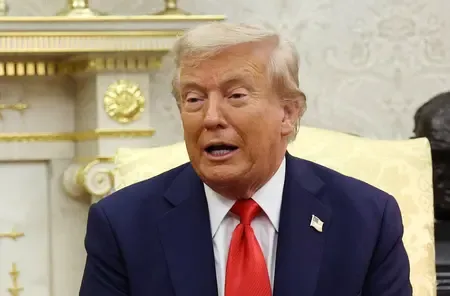
Trump's post described India and China as hell-holes and labelled immigrants from those nations gangsters with laptops, triggering bipartisan outrage.
Congressman Ted Lieu drew a direct parallel to the WWII internment of over 100,000 Japanese Americans , warning that history risks repeating itself.
Senator Kirsten Gillibrand and Representative Pramila Jayapal — an Indian American immigrant herself — were among the senior figures who publicly condemned the remarks.
The Hindu American Foundation warned of serious implications for Asian American communities, reaffirming their integral role in the US economy and society.
The controversy intersects with the Trump administration's ongoing legal battles to restrict birthright citizenship , which multiple federal courts have challenged.
Washington, April 25 — A coalition of Congressional Asian Pacific American Caucus (CAPAC) members and prominent political leaders has issued a fierce rebuke of President Donald Trump after he published a social media post describing India and China as hell-holes and characterising immigrants from those nations as gangsters with laptops. The condemnation, delivered in a joint statement on April 25, 2025, called the remarks racist, divisive, and a direct threat to the safety of Asian American communities across the United States.
Joint CAPAC Statement: Pouring Fuel on a Dangerous Fire
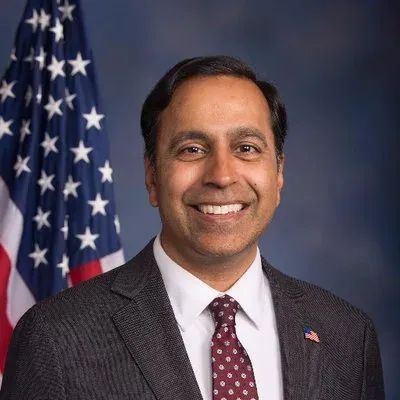
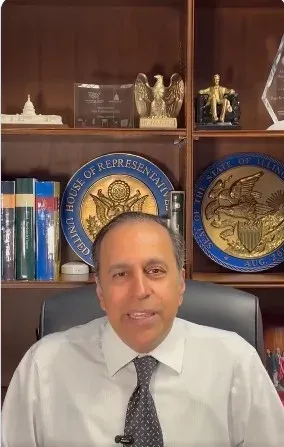
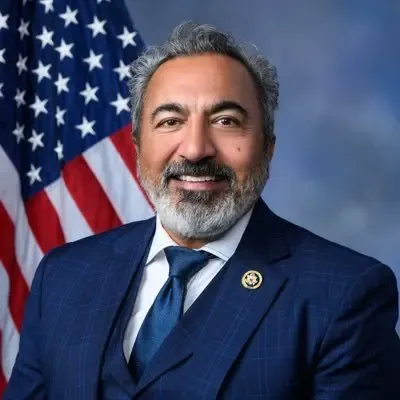
CAPAC Chair Grace Meng led the unified response, joined by Representatives Ted Lieu, Judy Chu, Ami Bera, Suhas Subramanyam, Pramila Jayapal, Raja Krishnamoorthi, and Shri Thanedar. The lawmakers declared they were deeply outraged by the President's language and warned of its real-world consequences for vulnerable communities.
The joint statement read: At a time when hate incidents against South Asian communities are on the rise, and one in four Americans view Chinese Americans as a threat, this kind of rhetoric pours fuel on an already dangerous fire.
The lawmakers also accused the administration of endorsing individuals who had publicly called to normalize Indian hate and urged people to never trust a Chinaman or Indian — language they described as reflecting a disturbing pattern of the President legitimizing bigotry. The statement closed with a pointed reminder: Those who become American by birthright are just as American as anyone else, urging the President to serve all Americans with dignity and respect.
Ted Lieu Invokes WWII Internment History
Congressman Ted Lieu issued a separate personal condemnation, drawing a direct historical parallel to one of America's darkest chapters. During WWII, over 100,000 Americans were torn from their homes and forcibly incarcerated in US internment camps because they were deemed disloyal, he said, referencing the mass imprisonment of Japanese Americans between 1942 and 1945.
Lieu argued that Trump's post perpetuates the same exclusionary logic, claiming the message implies there is no loyalty among today's immigrants, singling out Indian and Chinese communities specifically.
Drawing on his own biography, Lieu noted: I came to this country with my family at three years old, referencing his subsequent military service and decades of public office. Immigrants make our country great. Nothing Trump says will change that.
Senators, Representatives, and Advocacy Groups Amplify Condemnation
Senator Kirsten Gillibrand called the post truly despicable, stating that Chinese Americans and Indian Americans are valuable members of our communities.
Representative Pramila Jayapal — herself an Indian American immigrant — described the remarks as disgusting, insulting and rooted in white supremacy, adding that birthright citizenship is foundational to America and cannot be erased by xenophobia.
Representative Greg Stanton warned that such statements are designed to divide us and normalize hatred toward our neighbours, pointing to already-escalating hate crimes against South Asian communities as evidence of the tangible danger such rhetoric creates.
The Hindu American Foundation also weighed in, stating that Trump's remarks carry serious implications and reaffirming that Asian Americans are integral to the fabric of this country, driving its economy, strengthening its institutions, and enriching its society.
Broader Pattern: Anti-Asian Rhetoric in an Era of Political Polarisation
This controversy does not exist in isolation. Anti-Asian hate crimes surged dramatically in the United States during the COVID-19 pandemic — particularly between 2020 and 2022 — with advocacy groups like Stop AAPI Hate documenting thousands of incidents. While numbers have fluctuated, community organisations report that the political climate continues to contribute to a persistent sense of vulnerability among Indian American, Chinese American, and broader Asian Pacific Islander communities.
Notably, Indian Americans represent one of the largest and most economically influential immigrant communities in the US, with significant contributions in technology, medicine, academia, and entrepreneurship. Critics argue that framing such communities as disloyal or criminal not only distorts reality but actively endangers lives by emboldening bad actors.
The incident also intersects with ongoing legal battles over birthright citizenship, which the Trump administration has sought to restrict through executive action — a move that has faced multiple federal court challenges. Lawmakers' invocation of birthright citizenship in their statements signals that this is not merely a rhetorical dispute but part of a broader constitutional and policy conflict.
What Comes Next
Congressional leaders are expected to push for formal legislative responses, including potential resolutions condemning anti-Asian rhetoric and strengthening hate crime reporting mechanisms. Advocacy groups are likely to escalate pressure on the administration through legal channels and public campaigns. With mid-term political dynamics already shaping congressional strategies, the treatment of immigrant communities — particularly the politically active and economically powerful Indian American diaspora — is poised to remain a flashpoint in American political discourse through the remainder of 2025 and beyond.
Point of View
Using dehumanising language to shift the Overton window. What the mainstream narrative underplays is the direct line between presidential rhetoric and street-level violence: every documented surge in anti-Asian hate crimes in recent years has coincided with periods of heightened political scapegoating. For India specifically, the irony is sharp — a nation whose diaspora powers Silicon Valley, Wall Street, and American hospitals is being labelled a hell-hole by an administration that simultaneously courts New Delhi as a strategic partner against China. This contradiction exposes the transactional hollowness at the heart of the rhetoric.
NationPress
19 Sept 2026
Frequently Asked Questions
What did Trump post about Indian and Chinese immigrants?
President Trump published a social media post describing India and China as hell-holes and referring to immigrants from those countries as gangsters with laptops. The post also claimed there was no loyalty among such immigrants, prompting widespread condemnation from lawmakers and advocacy groups.
Who condemned Trump's remarks about Indian and Chinese immigrants?
The Congressional Asian Pacific American Caucus, led by Chair Grace Meng, issued a joint condemnation alongside Representatives Ted Lieu, Judy Chu, Ami Bera, Pramila Jayapal, Raja Krishnamoorthi, Suhas Subramanyam, and Shri Thanedar. Senator Kirsten Gillibrand and the Hindu American Foundation also criticised the remarks.
Why are CAPAC lawmakers calling Trump's post dangerous?
Lawmakers argue the post directly endangers Asian American communities at a time when hate crimes against South Asian groups are already rising and one in four Americans reportedly view Chinese Americans as a threat. They contend such rhetoric from the President legitimises bigotry and can incite real-world violence.
What is birthright citizenship and why is it relevant here?
Birthright citizenship guarantees American citizenship to anyone born on US soil, enshrined in the 14th Amendment. Lawmakers invoked it in response to Trump's post because his administration has also sought to restrict birthright citizenship through executive action, framing both moves as part of a broader effort to delegitimise immigrant communities.
Have hate crimes against Indian Americans increased in the US recently?
Yes, advocacy organisations and law enforcement data indicate that hate incidents targeting South Asian and broader Asian American communities have risen significantly, particularly since 2020. Representative Greg Stanton specifically noted this trend in his condemnation of Trump's post, warning that inflammatory rhetoric accelerates the problem.