CM Bhajan Lal joins PM-KISAN 24th instalment event
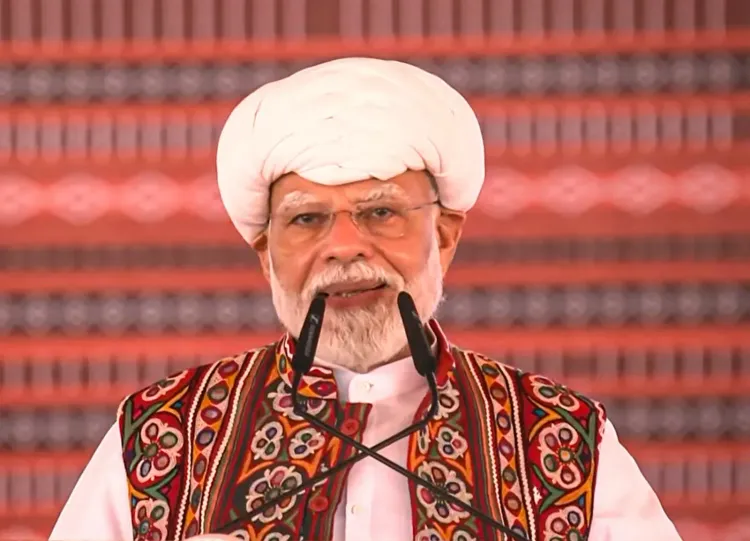
Synopsis
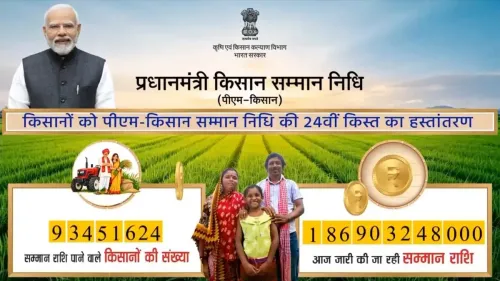
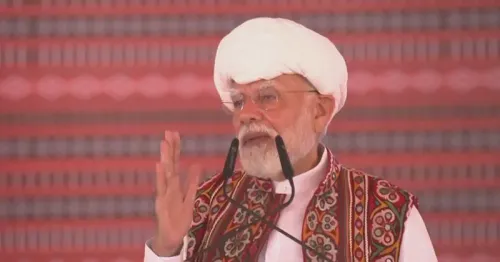
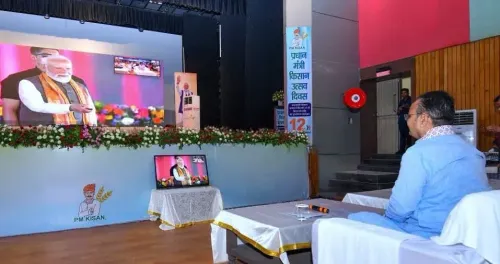
Prime Minister Modi transferred over ₹18,680 crore to 9.34 crore farmer families as PM-KISAN's 24th instalment from Banaskantha, Gujarat. Rajasthan CM Bhajan Lal Sharma joined virtually; Rajasthan's 66.59 lakh farmers received ₹1,335 crore via DBT.
Key Takeaways
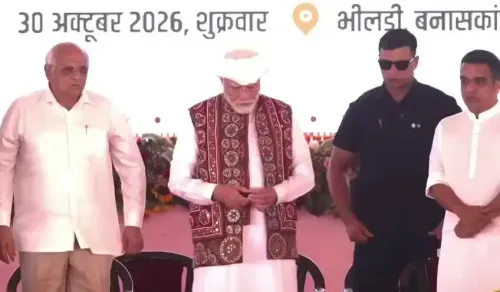
PM Modi launched PM-KISAN's 24th instalment from Banaskantha, Gujarat on 30 October 2026 .
More than ₹18,680 crore was transferred to over 9.34 crore farmer families nationwide via DBT.
Rajasthan received over ₹1,335 crore , benefiting 66.59 lakh-plus farmers in the state.
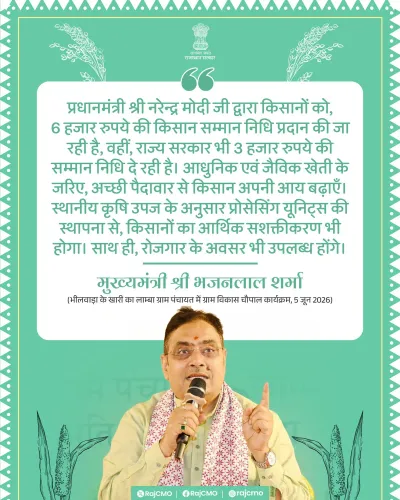
Rajasthan CM Bhajan Lal Sharma participated in the event virtually and highlighted the 'double engine sarkar' alignment.
PM-KISAN, launched on 1 December 2018 , provides ₹6,000 per year in three instalments to eligible farm families.
DBT remains the exclusive transfer mechanism, designed to eliminate intermediaries and reduce leakage.
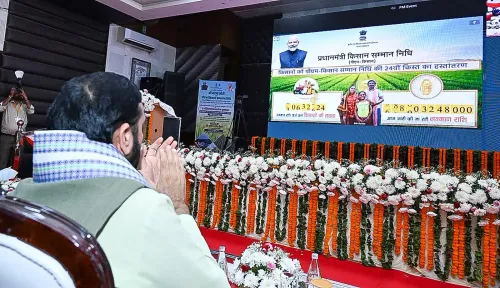
Over 9.34 crore farmer families across India woke up to a direct deposit on Friday, 30 October 2026, as Prime Minister Narendra Modi transferred more than ₹18,680 crore into their accounts in a single stroke — the 24th instalment of the PM Kisan Samman Nidhi, launched from Banaskantha, Gujarat. Rajasthan Chief Minister Bhajan Lal Sharma joined the event virtually and confirmed that the state's own farmers received a share of that bounty.
₹1,335 crore flows into Rajasthan's farm households
Of the national total, Rajasthan's 66.59 lakh-plus farmer families received more than ₹1,335 crore through Direct Benefit Transfer. That figure makes Rajasthan one of the scheme's larger beneficiary states, a reflection of its vast semi-arid agricultural belt stretching from the Thar Desert edge to the fertile plains of the Chambal basin.
CM Sharma hailed the transfer as a demonstration of what he called the 'double engine sarkar' — the alignment of a BJP-led state government with the BJP-led central government — delivering for farmers without the friction of inter-party disputes over fund routing.
PM-KISAN at a glance: eight years of direct income support
The PM Kisan Samman Nidhi was announced in the 2018-19 Union Budget and formally launched on 1 December 2018, with the first instalment paid out in February 2019. The scheme provides ₹6,000 per year to eligible farmer families, paid in three equal instalments of ₹2,000 directly into bank accounts via DBT — cutting out intermediaries entirely. Over seven-plus years and now 24 instalments, it has become the largest direct income-support programme for farmers in India's history by beneficiary count.
The Banaskantha venue was not incidental. Gujarat's northern district is a significant agricultural zone known for its dairy and oilseed farming, and holding the event there carried a symbolic message about the scheme's reach into diverse farming communities.
What CM Sharma said
Posting in Hindi on X, Sharma described his virtual participation in the event and emphasised the government's stated priority: 'Hamare kisan bhai-behon ka parishram desh ki samridhdhi aur khushhaali ka aadhar hai' — 'The hard work of our farmer brothers and sisters is the foundation of the nation's prosperity and happiness.' He framed the transfer as part of a continuous commitment to ensuring financial security for farm families and honouring their labour.
DBT as the delivery backbone
The use of Direct Benefit Transfer (DBT) has been central to PM-KISAN since inception, and successive instalments have been cited by the government as evidence that DBT reduces leakage in welfare delivery. For Rajasthan specifically, where agricultural land is often fragmented and small-holder farming dominates, the ₹2,000-per-instalment credit provides liquidity at sowing and harvest seasons — modest but timely support that analysts consistently flag as economically meaningful for marginal farmers.
With each new instalment, the scheme also functions as a political touchstone: BJP-governed states amplify their participation figures prominently, reinforcing the double-engine narrative ahead of the next instalment cycle.
Point of View
Where state leaders amplify central transfers to reinforce voter trust in inter-tier coordination. For Rajasthan, where the BJP wrested power in late 2023, publicising ₹1,335 crore reaching 66.59 lakh farm households carries clear political dividend ahead of future electoral cycles. The broader question the scheme still invites is whether ₹6,000 a year remains adequate income support as input costs for farmers continue to rise — a tension that is likely to surface in the next Union Budget debate.
NationPress
30 Oct 2026
Frequently Asked Questions
What is the PM-KISAN 24th installment amount per farmer?
Each eligible farmer family receives ₹2,000 per instalment under PM-KISAN, which adds up to ₹6,000 annually across three instalments. The 24th instalment totalling over ₹18,680 crore was transferred on 30 October 2026.
How many Rajasthan farmers got PM-KISAN 24th installment?
More than 66.59 lakh farmer families in Rajasthan received a combined ₹1,335 crore under the PM-KISAN 24th instalment, as confirmed by Chief Minister Bhajan Lal Sharma.
Where was the PM-KISAN 24th installment event held?
Prime Minister Narendra Modi transferred the 24th PM-KISAN instalment from Banaskantha district in Gujarat. Rajasthan CM Bhajan Lal Sharma joined the programme virtually.
When was PM-KISAN scheme launched and who is eligible?
PM-KISAN was launched on 1 December 2018, with the first payout in February 2019. Eligible farmer families with cultivable land receive ₹6,000 per year in three direct instalments via DBT.
What is the 'double engine sarkar' CM Bhajan Lal Sharma mentioned?
The 'double engine sarkar' refers to the same political party — BJP — governing both the state (Rajasthan) and the central government, which BJP leaders argue enables smoother delivery of central welfare schemes like PM-KISAN.