Rijiju: Farmers are Viksit Bharat's strongest pillar
Synopsis
Union Minister Kiren Rijiju, quoting PM Modi during a Gujarat visit on October 30 2026, declared farmers the strongest pillar of Viksit Bharat and reaffirmed the government's commitment to farmer welfare and empowerment.
Key Takeaways
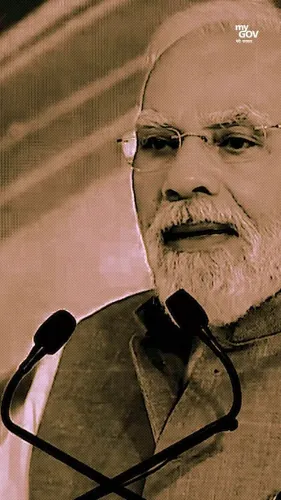
Union Minister Kiren Rijiju shared a video from PM Modi's Gujarat visit on October 30, 2026 , quoting the PM on farmer welfare.
Modi described farmers as 'among the strongest pillars of Viksit Bharat' and affirmed empowering them as a government priority.
The post was tagged #PMModiinGujarat , indicating a broader programme of state-level outreach events.
The BJP government has consistently linked farmer welfare to the Viksit Bharat national development framework since 2014.
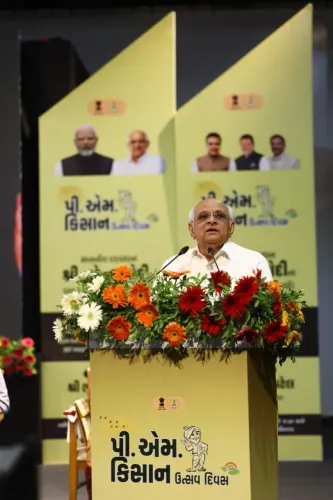
The flagship PM-KISAN direct income-support scheme, launched in 2019 , anchors this farmer-welfare narrative at the policy level.
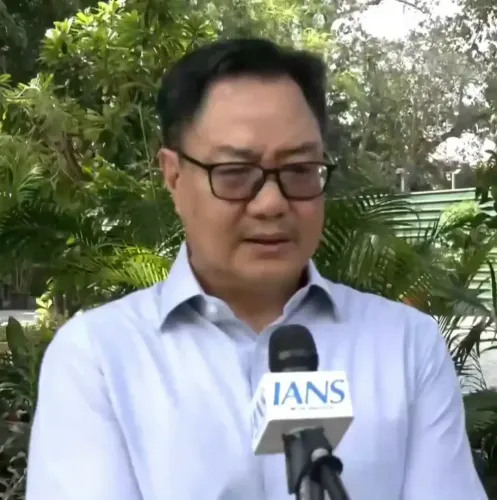
India's farmers — the annadata, the givers of grain — sit at the centre of Prime Minister Narendra Modi's Gujarat visit, and Union Parliamentary Affairs and Minority Affairs Minister Kiren Rijiju made sure the country heard it loud and clear on Friday, October 30, 2026.
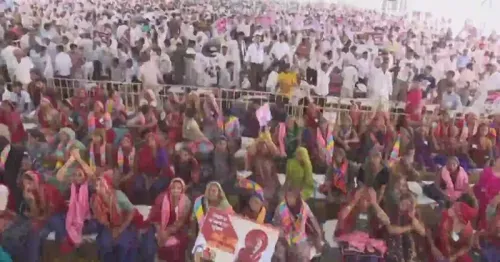
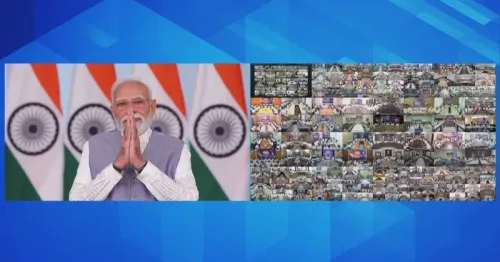
Quoting the Prime Minister directly, Rijiju wrote: 'Our farmers, our annadata, are among the strongest pillars of Viksit Bharat. And our government has always prioritised the welfare of farmers, empowering them.' The post, tagged #PMModiinGujarat, accompanied a video from the Prime Minister's ongoing outreach in Gujarat — the western state that has long served as a showcase for the BJP's development messaging.
Farmer welfare as a Viksit Bharat cornerstone
The framing is deliberate. Linking agricultural producers directly to the Viksit Bharat (Developed India) goal is a consistent feature of the Modi government's rural communication strategy. Since 2014, central policy has bundled income support, crop insurance, and irrigation investment under a single umbrella narrative: a prosperous farmer is the foundation of a prosperous nation.
The anchor scheme in that architecture is the Pradhan Mantri Kisan Samman Nidhi (PM-KISAN), launched in 2019, which delivers direct income support into farmers' bank accounts. It remains one of the government's most cited rural welfare interventions, reaching tens of millions of cultivator households across the country.
Why Gujarat, why now
Gujarat holds symbolic weight beyond its borders. Agricultural and developmental outreach events in the Prime Minister's home state routinely generate national visibility, and a visit tagged with farmer-welfare messaging signals that rural constituencies remain a priority axis heading into any policy cycle. The hashtag #PMModiinGujarat suggests a broader programme of events, though the specific announcements — if any — from this visit remain to be confirmed through official channels.
Rijiju, as a senior BJP leader from Arunachal Pradesh and a Cabinet minister who bridges Parliament and minority communities, amplifying this message adds cross-regional weight: the government's farm-welfare commitment is not a Gujarat story alone, but a national one.
The annadata has been a rhetorical constant in Indian politics for decades — but the current government has worked hard to make that rhetoric trackable in rupees, pipes, and insurance paperwork. Whether the Gujarat visit produces a fresh policy announcement will tell us how much the language is moving ahead of the programmes this time.
Point of View
With no new scheme announced, suggests the government is in a consolidation-and-messaging phase on the farm file rather than a reform-launch phase. Watch whether the Gujarat programme concludes with a substantive policy announcement, which would shift this from communication to consequence.
NationPress
30 Oct 2026
Frequently Asked Questions
What did PM Modi say about farmers during the Gujarat visit in October 2026?
According to Union Minister Kiren Rijiju's post, PM Modi described farmers as 'among the strongest pillars of Viksit Bharat' and reaffirmed that the government has always prioritised farmer welfare and empowerment.
What is Viksit Bharat and how does it relate to farmers?
Viksit Bharat — 'Developed India' — is the Modi government's overarching national development vision. The government frames farmer prosperity as foundational to achieving that goal, linking rural welfare schemes directly to the broader development target.
What is PM-KISAN and who does it benefit?
PM-KISAN (Pradhan Mantri Kisan Samman Nidhi) is a direct income-support scheme launched in 2019 that transfers funds directly into the bank accounts of eligible farmer households across India.
Why is PM Modi visiting Gujarat in October 2026?
The specific details of PM Modi's October 2026 Gujarat programme have not been confirmed by official sources beyond what the social media post reveals. Gujarat regularly hosts agricultural and developmental outreach events featuring the Prime Minister.
Who is Kiren Rijiju and why did he share this post?
Kiren Rijiju is the Union Minister of Parliamentary Affairs and Minority Affairs and a senior BJP leader from Arunachal Pradesh. As a Cabinet minister, he regularly amplifies the government's key policy messaging on social media.