Rijiju Backs PM Modi's Vision for Youth-Led Viksit Bharat
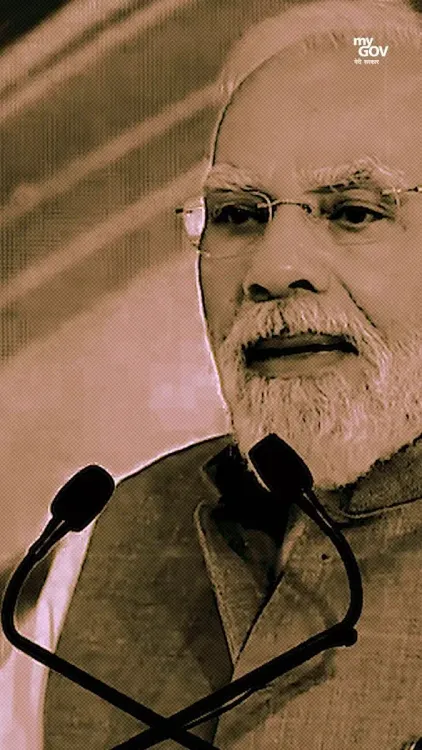
Synopsis
Union Minister Kiren Rijiju has championed PM Narendra Modi's Viksit Bharat vision, describing India's youth as the world's largest force driving innovation and enterprise. The post reinforces a decade-long policy arc spanning Skill India, Startup India, and the National Youth Policy, all anchored to India's 2047 development goal.
Key Takeaways
Kiren Rijiju , Union Minister of Parliamentary Affairs and Minority Affairs, on June 23, 2026 publicly backed PM Narendra Modi's Viksit Bharat vision via a post on X.
The post described India as 'emerging as a global centre of innovation, enterprise and opportunity,' crediting the country's youth demographic.
The Viksit Bharat 2047 framework aims to make India a fully developed nation by the centenary of its independence.
Key supporting policies include the Skill India Mission (2015) targeting 400 million youth, the Startup India initiative (2016) , and the National Youth Policy 2014 .
Upcoming Union Budget allocations for youth schemes and parliamentary committee mandates on innovation will be key indicators of policy follow-through.
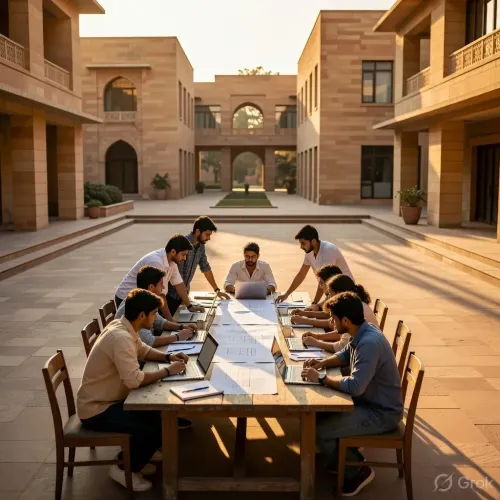
Union Parliamentary Affairs Minister Kiren Rijiju on Tuesday, June 23, 2026, invoked Prime Minister Narendra Modi's vision of a developed India, asserting that the country's youth are actively shaping a future defined by innovation, enterprise, and global opportunity.
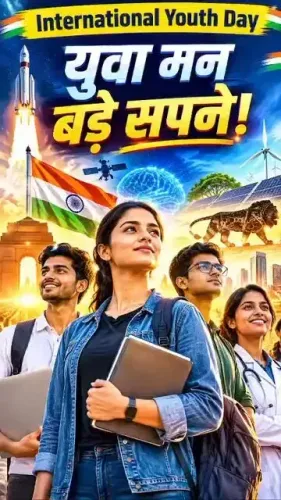
Posting on X, Rijiju wrote: 'The future belongs to those who create it and India's youth are doing exactly that. With the vision of Hon'ble PM Shri Narendra Modi ji and the strength of the world's largest youth force, Bharat is emerging as a global centre of innovation, enterprise and opportunity.' The post carried the hashtags #ViksitBharat, #YouthPower, and #YuvaShakti.
Context
Rijiju, a senior BJP leader from Arunachal Pradesh and a Cabinet minister holding the Parliamentary Affairs and Minority Affairs portfolios, has been a consistent voice amplifying the ruling party's development narrative. His post aligns squarely with the Viksit Bharat 2047 framework — the government's overarching vision to transform India into a fully developed nation by the centenary of its independence.
India's demographic profile gives the assertion particular weight. The country is home to one of the world's largest concentrations of young people, a cohort the government has repeatedly described as a strategic asset for economic growth and technological leadership.
Policy Backdrop
The sentiment expressed by Rijiju draws on a decade-long policy arc. The Skill India Mission, launched in 2015, set an ambition to skill 400 million Indians with a focus on youth employability. A year later, the Startup India initiative — announced in 2016 — opened pathways for young entrepreneurs through tax incentives and structured funding support.
The National Youth Policy 2014 had earlier laid the foundational framework, positioning youth participation as central to nation-building and innovation. Together, these programmes form the policy scaffolding behind the rhetoric of #YuvaShakti and #YouthPower that Rijiju's post invokes.
Successive central governments have framed India's demographic dividend as a lever for global repositioning. Since 2014, this has been operationalised through digital infrastructure investment, startup ecosystem support, and skilling drives — all feeding into the self-reliance and technological leadership goals of Viksit Bharat.
Stakeholders and Impact
The primary stakeholders of this narrative are India's young entrepreneurs, students, and first-time job-seekers — a constituency that spans every state and language group. For this demographic, the government's messaging on innovation and enterprise is inseparable from concrete expectations around employment quality, startup funding access, and digital skilling infrastructure.
Young entrepreneurs and technology professionals stand to gain most directly from policies linked to this vision, while rural and semi-urban youth remain the harder-to-reach segment that schemes like Skill India were specifically designed to address. Whether the aspirational framing translates into measurable outcomes for this broader group remains a live policy question.
What's Next
Observers tracking the Viksit Bharat agenda will watch upcoming Union Budget allocations for youth employment and skilling schemes as a concrete test of the government's stated priorities. Any new parliamentary committee mandates on innovation policy in the coming session could also signal the legislative intent behind the vision Rijiju has publicly endorsed.
As India positions itself as a global hub for technology and enterprise, the alignment between ministerial messaging and on-ground policy delivery will determine how effectively the country converts its demographic scale into sustained economic advantage.
Point of View
The statement reinforces a centralised political brand around the Viksit Bharat 2047 goal ahead of what is likely to be a budget cycle with heavy youth-employment optics. The invocation of 'world's largest youth force' is a geopolitical signal as much as a domestic one, positioning India competitively against China's ageing workforce narrative. The real test, as analysts consistently note, lies in whether skilling and startup policy outcomes keep pace with the aspirational messaging.
NationPress
22 Sept 2026
Frequently Asked Questions
What is Viksit Bharat 2047?
Viksit Bharat 2047 is the Indian government's vision to transform India into a fully developed nation by 2047, the centenary of its independence, through innovation, enterprise, self-reliance, and demographic strength.
What did Kiren Rijiju say about India's youth?
Kiren Rijiju stated that 'the future belongs to those who create it' and that India's youth, backed by PM Modi's vision, are making Bharat a global centre of innovation, enterprise, and opportunity.
What is the Skill India Mission?
The Skill India Mission was launched in 2015 with the goal of skilling 400 million Indians, with a strong emphasis on improving the employability of young people across sectors.
What is Startup India?
Startup India is a government initiative announced in 2016 that supports young entrepreneurs through tax benefits, simplified regulations, and access to funding to foster a robust startup ecosystem.
Why does India call its youth a demographic dividend?
India has one of the world's largest young populations, which economists and policymakers argue can drive higher economic growth, innovation, and productivity if adequately skilled and employed — a potential advantage often called the demographic dividend.