PM Modi Quotes: India Seals FTA in Record Nine Months
Synopsis
Union Consumer Affairs Minister Pralhad Joshi amplified PM Modi's remarks on July 11, 2026, announcing a Free Trade Agreement concluded in a record nine months, covering market access, investment, services, technology and talent mobility under a new strategic partnership framework.
Key Takeaways
India has concluded a Free Trade Agreement in nine months , described by PM Modi as a record timeline.
The deal covers market access, investment, services, technology and talent mobility — a comprehensive modern FTA structure.
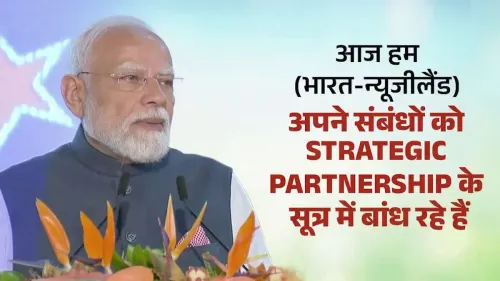
The bilateral relationship has been elevated to a strategic partnership , embedding trade within a broader diplomatic framework.
Indian exporters and service-sector firms are the primary immediate beneficiaries of the new market access provisions.
The agreement must still clear parliamentary ratification and finalisation of tariff schedules before taking effect.
The deal continues India's post- 2021 strategy of accelerated trade agreements with the UAE and Australia as precedents.
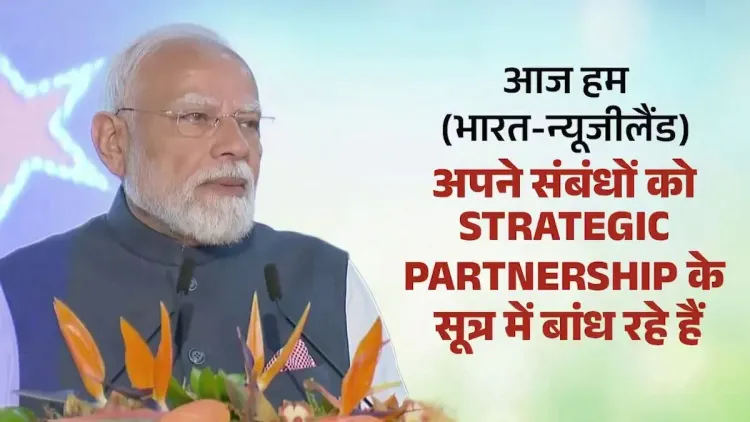
Union Consumer Affairs Minister Pralhad Joshi on Saturday, July 11, 2026, shared remarks by Prime Minister Narendra Modi underscoring India's elevation of bilateral ties to a strategic partnership and the conclusion of a Free Trade Agreement in a record nine months, signalling a new phase in India's trade diplomacy.
Context
Quoting PM Modi directly, Minister Joshi amplified the message that the newly concluded FTA is 'not merely a diplomatic milestone' but 'a new commitment to our shared future.' The agreement, according to the Prime Minister's remarks, covers market access, investment, services, technology and talent mobility — a broad sweep that goes well beyond conventional tariff-reduction pacts.
The nine-month timeline cited by PM Modi is notable: comprehensive trade negotiations between major economies typically span several years, making this pace a deliberate signal of political will on both sides.
Policy Backdrop
India has pursued an accelerated trade-agreement strategy since 2021, concluding deals with the UAE and Australia in roughly ten months each — benchmarks that the latest FTA appears to have matched or bettered. These agreements have consistently bundled goods, services, investment protections and mobility provisions into single frameworks, reflecting New Delhi's shift away from narrow tariff-only pacts.
The framing of a 'strategic partnership' alongside the FTA suggests the relationship has been upgraded beyond commerce, embedding trade within a wider diplomatic architecture that could include defence, technology and people-to-people ties.
Stakeholders and Impact
Indian exporters and service-sector firms stand to be the most immediate beneficiaries, gaining preferential access to a new market under the agreement's provisions. The explicit mention of talent mobility in PM Modi's remarks is particularly significant for India's large professional workforce, which has historically sought overseas opportunities through bilateral visa and mobility arrangements.
Investment and technology provisions could attract inbound capital and partnerships in sectors such as renewable energy, digital infrastructure and manufacturing — areas that align with India's existing industrial priorities. Small and medium enterprises in export-oriented clusters may also benefit from reduced market-entry barriers once the agreement enters into force.
What's Next
The agreement will need to clear a parliamentary ratification process and the release of initial tariff schedules before its provisions become operational. Stakeholders and trade bodies are expected to scrutinise the services and mobility chapters closely, as these are often the most consequential — and contested — elements of modern FTAs.
With India continuing to diversify its export markets and integrate into global supply chains, this agreement adds another pillar to a trade architecture that has been built with deliberate speed over the past five years. How quickly the deal is operationalised will determine whether the record negotiating pace translates into tangible economic gains on the ground.
Point of View
Reinforcing the Modi government's narrative of decisive, results-oriented diplomacy in contrast to the prolonged negotiations that defined earlier Indian trade policy. By framing the deal as a 'strategic partnership' rather than a purely commercial arrangement, New Delhi is signalling that trade is now a tool of geopolitical positioning, not just economic interest. For Minister Joshi, amplifying the PM's remarks extends the message beyond foreign-policy circles to a domestic audience of exporters, professionals and investors who are the deal's intended beneficiaries. The real test, however, will be the ratification process and whether the talent-mobility provisions deliver tangible outcomes for Indian professionals abroad.
NationPress
11 Jul 2026
Frequently Asked Questions
Which country has India signed a Free Trade Agreement with in nine months in 2026?
PM Modi's remarks confirm India concluded a Free Trade Agreement in a record nine months in 2026, but the specific partner country has not been officially named in the statement shared by Minister Pralhad Joshi.
What does India's new Free Trade Agreement cover?
According to PM Modi, the agreement covers market access, investment, services, technology and talent mobility, making it a comprehensive modern trade pact beyond traditional tariff cuts.
Why is nine months considered a record for an FTA negotiation?
Comprehensive trade negotiations between major economies typically take several years. India's previous fast-tracked deals with the UAE and Australia each took roughly ten months, so nine months represents an even faster conclusion.
What is a strategic partnership in the context of India's trade deals?
A strategic partnership elevates bilateral ties beyond commerce to include diplomatic, security, technology and people-to-people dimensions, embedding the FTA within a broader relationship framework.
When will India's new Free Trade Agreement come into effect?
The agreement must still undergo parliamentary ratification and the release of finalised tariff schedules before its provisions become operational; no specific implementation date has been announced.